23.32°C Kathmandu
What Dashain asks of us this year
From swollen rivers to crowded highways, this year’s Dashain calls for as much care as celebration.
From swollen rivers to crowded highways, this year’s Dashain calls for as much care as celebration.
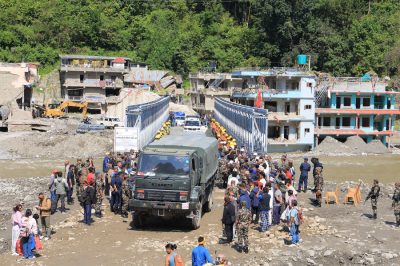
From now on, disaster resilience must guide every stage of Nepal’s reconstruction.
Compensation for 153 victims offers hope, but Nepal must act on its international commitments.
The party swiftly investigated the allegations against Sunar. Now it must deliver tangible results.
With 55 percent of provincial lawmakers having served as ministers, the provinces need to put governing ahead of oath-taking.
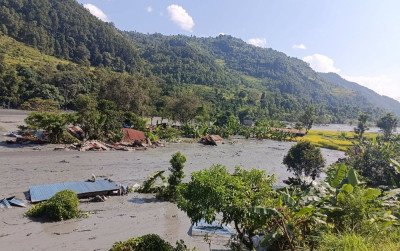
Nepal should ramp up efforts to prevent further loss of life and livelihoods in downstream settlements.
Post-rehab despair and social rejection are pushing Nepali women back into drug addiction.
The state cannot use investigations to justify unrestricted access to phones and other devices.
The Regmi panel rightly says cases against those involved in serious crimes cannot be withdrawn.
Nepal elected a leader, not a commentator. It is time for him to govern like one.
While disasters require immediate rescue and relief, enabling flood survivors to access income opportunities is equally vital.
His refusal to accept the party’s leadership transition risks weakening Nepal’s democratic opposition.
Her decision to rejoin the UML raises questions about political morality and the neutrality expected of the presidency.
Reluctance to respect the NHRC weakens an institution meant to protect rights and ensure accountability.
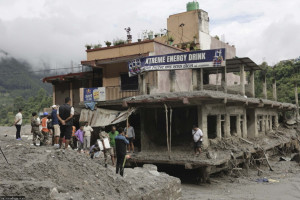
The Bhotekoshi flood has once again reminded us that Nepal needs a resilient tourism system to withstand major shocks.
The state must immediately cease arbitrary detentions and restore strict adherence to due process.
The flight should not lead to complacency among Nepal’s authorities.
The court’s rulings can be questioned, but expecting the judiciary to rule in the government’s favour goes against the principle of separation of powers.
Its expertise, channelled through meaningful consultations, is essential to making better, more coherent laws.
Sound preparation and competent governance can reduce the damage of forecasted heavy rain.