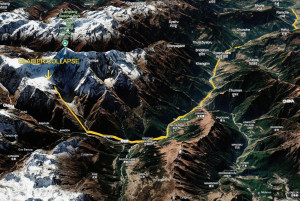
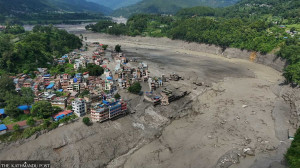
Nepal is mourning a trail of death and destruction caused by a devastating flash flood, reportedly triggered by an avalanche that blocked the Lhende tributary of the Bhotekoshi river. The flood struck several downstream settlements on August 26, resulting in the deaths of more than 400 people and leaving hundreds missing as of writing this editorial. It swept everything in its way, including people, animals, houses, schools, hydropower facilities, bridges, security outposts and roads. What’s more heart-wrenching is the aftermath of the disaster: The riverbanks that were once so lively and green have turned desolate, now revealing only the remnants of destroyed houses and lifeless bodies; many have lost their beloved ones and are in an agonising wait for news of the missing. With the disaster still unfolding, the country can recover only if those affected don’t feel they are left to face the situation alone.
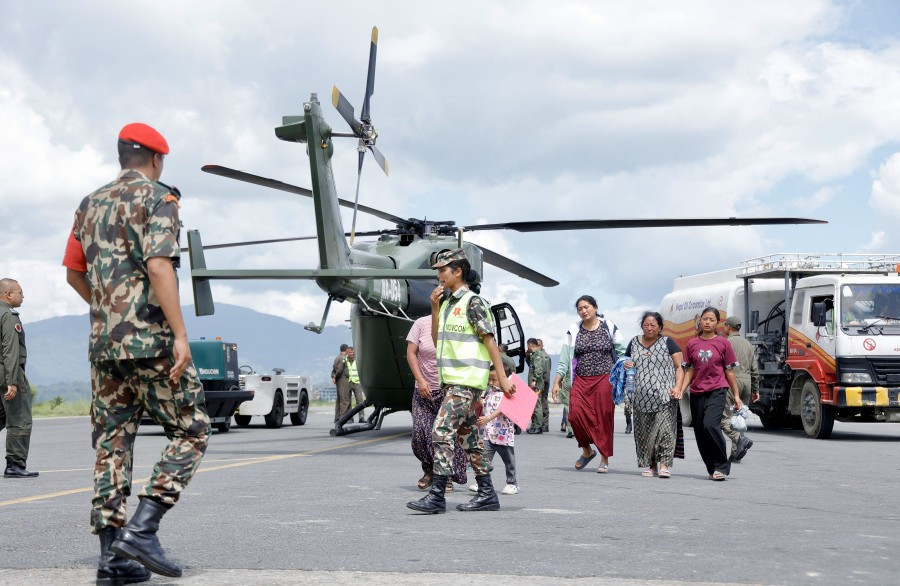
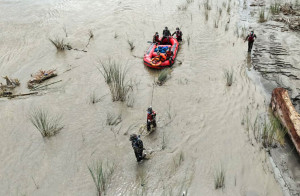
In response, the government, fulfilling its primary responsibility, swiftly mobilised the Nepali Army, Armed Police Force and Nepal Police for rescue and relief operations in the flood-affected areas. Alerts were sent to offices in the downstream settlements to identify vulnerable areas and relocate people to safer places. More than 800 people have been rescued so far, and those injured have been brought to the national capital for treatment. The government has also announced free treatment and emergency aid for flood victims. Government officials and aid organisations have also asked for donations to support the victims. But in times of disaster, the state alone cannot assist victims and their families. Nepal also needs the strength of its communities.
Nepal has rebuilt after earthquakes, floods, landslides and other disasters. When the 2015 earthquakes reduced homes, heritage sites and public infrastructure to rubble while also killing nearly 9,000 people and leaving thousands injured and homeless, people volunteered in search-and-rescue efforts. They opened their doors to those who lost theirs. Community effort played an important role in recovery and resilience. Ten years on, Nepal is again in dire need of community support to help each other in searching for survivors and missing people, in the recovery and dignified identification of those who have died and in assisting those who have lost their homes, family and livelihoods.
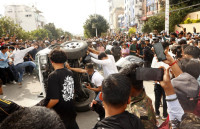
Even as the same spirit is needed now, some videos circulating on social media, however, paint a distressing picture: People rushing to click videos rather than helping others out, indiscriminately posting photos of dead bodies and spreading misinformation and disinformation without any regard for those affected by the tragedy. It is vital to be sensitive towards the situation and provide whatever support they can manage from their end, wherever they are. Some are already doing this—and we need more.
More importantly, the government and donors must support recovery efforts by mobilising community members so relief materials reach victims and survivors, regardless of caste, gender, or social class. After all, community leaders and local channels often recognise victims better and understand what support each family needs. In the past, many post-disaster recovery processes in the country have been far from inclusive, with those connected to party leaders receiving benefits while poor and vulnerable people were left out of basic relief programmes and medical support. Political parties and their cadres, in particular, must rise above personal interests and show solidarity with those affected.
Government support must continue years after the immediate recovery process by building disaster-resilient infrastructure and implementing efforts to prevent such disasters. Citizens must support governments and question them if they fail to meet their needs. Only concerted efforts and solidarity can pull the country out of this difficult time.




 15.26°C Kathmandu