



 17.28°C Kathmandu
Tue, Oct 27, 2026
Editorial
Restore hope for Bhotekoshi flood victims
The Bhotekoshi flood victims deserve answers; they cannot remain in uncertainty any longer.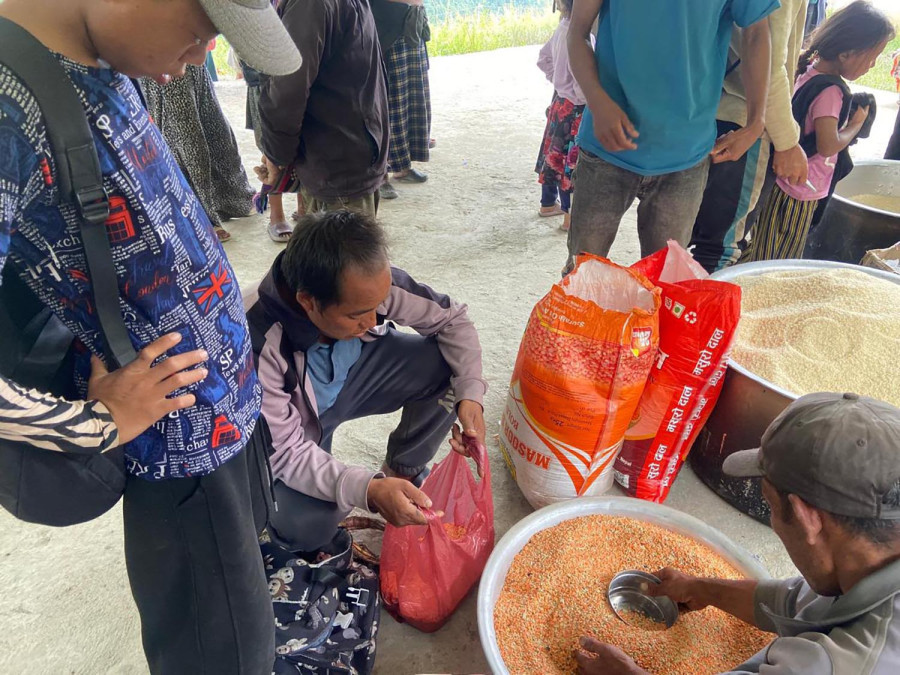
bookmark
Published at : October 27, 2026
Updated at : October 27, 2026 01:43
As Nepal marks two months since the catastrophic Bhotekoshi flash flood, conditions on the ground remain largely unchanged. While some displaced families have rented rooms, others have returned to the ruins of their homes as makeshift shelters become uninhabitable. Those living in holding centres across Rasuwa and Nuwakot, and in monasteries in Kathmandu, are eagerly awaiting resettlement in their own communities. The country moved on and celebrated Dashain, but many flood survivors could not. The festival only brought back memories of the past, traumatic experiences during the flood and a longing for a better future.
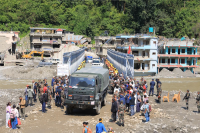
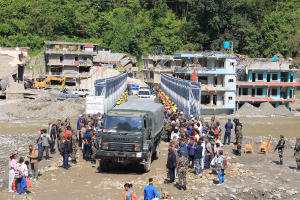
In the immediate aftermath of the disaster, the government made its presence felt at the site. It deployed rescue teams who provided relief to many. But a state’s responsibility doesn’t end when the waters recede. Its role remains just as crucial in the days that follow. Yet, aside from restoring connectivity by installing bridges and building roads in a few places, assessing areas for temporary housing and marking areas where waters reached extreme heights as danger zones, the government has failed to provide survivors even the bare minimum. Soon after the disaster, the government promised to pay Rs15,000 per month for six months, but survivors still haven’t received that assistance, let alone the money to perform funeral rites for the family members they lost to the flood. The tents they were given to settle in temporarily leaked during rainfall, and with the winter approaching, they are bound to endure the biting cold.
In an interview with the Post last month, Minister for Infrastructure Development said that before the survivors are permanently resettled, they would be provided with temporary homes—capsule houses with toilets and kitchens that can be assembled in a day. But this plan has yet to kick off. Those on the ground complain that they are unaware of what kind of houses the government will build or where they will be located. After the floods, people generously contributed more than Rs18 billion to the Prime Minister’s Disaster Relief Fund. However, it is unclear how the government will spend this money.
Successive governments have often left natural disaster survivors in limbo. It has already been three years since an earthquake struck parts of western Nepal, including Jajarkot, Rukum West and Salyan, and people still live in temporary shelters. In Malagaun, Alital Rural Municipality, in Dadeldhura, 24 landslide-displaced families still await a permanent home. Nepal cannot afford to let Bhotekoshi flood survivors face the same fate. Whether it’s Jajarkot, Dadeldhura or Rasuwa, no one should be left without permanent housing. It is not only crucial to restore their lives and livelihoods but also to provide relief from the trauma they endured.
Nepal received global attention following the Bhotekoshi flood. Prime Minister Balendra Shah even took the issue of climate change and its impact on Nepal to the UN General Assembly in New York, urging wealthy nations to deliver climate justice. Recently, the Loss and Damage Fund board also decided to set aside $20 million in assistance for Nepal. We risk losing the trust of international agencies, donors and helping hands if the lives of flood victims remain unchanged. The Bhotekoshi flood victims deserve answers; they cannot be left in uncertainty for long. Authorities must clearly communicate how and when they plan to resettle them.

Most Read from Editorial

Editor's Picks
What to know about the US trial over Mamta Kafle’s disappearance
NPL returns with bigger ambitions and global recognition
What’s new in the Nepal Premier League’s third season?
After Nepal’s recent disaster, it wants to test whether COP31 can deliver climate justice
Why does an hour long flight to Dhangadhi cost more than a flight to New Delhi?
E-PAPER | October 27, 2026

×