



 19.87°C Kathmandu
Mon, Nov 9, 2026
Editorial
One disaster away
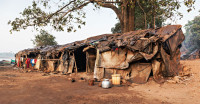
Bhotekoshi flood pushed poverty up 2.7 percentage points. Prevention, not just relief, must be the answer.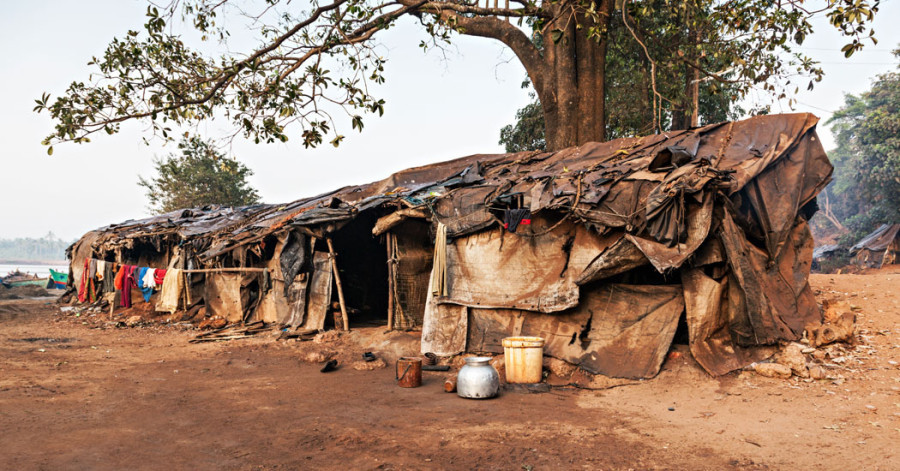
bookmark
Published at : November 9, 2026
Updated at : November 9, 2026 10:38
Poverty is Nepal’s inheritance, and a stubborn one. For decades, it has been a defining feature of Nepal’s identity. State policy and the grit of families have pushed the rate down over time, but not by nearly enough. Many things hold back progress. Disasters are among the cruellest.
The National Planning Commission has found that poverty rose by 2.7 percentage points in the municipalities hit by the Bhotekoshi flood on August 26. The figure covers only the affected areas. Still, it confirms what Nepal has been slow to admit: disasters are a major reason poverty does not fall faster.
The structural causes are familiar. Farming is expensive and pays little. Industry has failed to take root. Infrastructure projects drag on for years, and jobs are scarce. The climate for investors and entrepreneurs is hardly encouraging. The state’s presence in social security is thin, and many announced programmes are ineffective or have failed outright. Out-of-pocket health spending pushes roughly 600,000 people into poverty every year. Corruption, opacity, misgovernance and delay make everything worse.
Then come the shocks. The 2015 earthquake pushed about 700,000 people below the poverty line. The Covid-19 pandemic pushed about 1.2 million more, and an estimated 1.6 million people lost their jobs, according to the commission. Madhesh, Sudurpaschim and Karnali are already poorer than the rest of the country, so disasters land hardest there.
Many who have crossed the poverty line did so through years of state effort, a dose of luck and plenty of personal initiative. They have little saved. A small jolt, even a spike in prices or a poor harvest, can send them back. A disaster can take everything at once. And a family’s own effort may not be enough to climb out again.
None of this erases real progress. Poverty fell from 41.76 percent in 1995/96 to 20.27 percent in 2022/23, helped by investment in education and health, urbanisation, globalisation, new sources of income, social security and foreign employment. But those are slow, steady gains. A single flood can undo them in a night.
The timing of this reminder matters. Nepal is celebrating Tihar, the festival of lights and prosperity. In the municipalities touched by the Bhotekoshi flood, poverty is higher than it was before the water came. Prosperity is easy to celebrate, and harder to protect.
Protecting it requires work well before disaster strikes. The state should identify hazard-prone areas and reduce human presence and activity in them. Decisions on where people settle and where roads, bridges and power projects go need serious study. Public and private buildings must be disaster-resilient, earthquake-resistant ones above all. That is the cheapest way to cut losses of life and property.
When disasters do strike, relief and rescue must come first. Survivors then need both temporary and permanent rehabilitation. All three tiers of government should run strategic programmes to restore them to where they stood before. The private sector can help by connecting the affected with jobs and entrepreneurship. International finance that follows climate-induced disasters should be tied to resilience.
Economic opportunity is the best defence. The more of it a country has, the stronger its people’s capacity to absorb a blow, and the sooner they can act against poverty on their own. Nepal needs both: growth that thickens household savings, and a state that shields those savings from the next flood.
Happy Tihar to all our readers. May the lamps burn bright in every home, and may prosperity reach those who need it most.


Most Read from Editorial


Editor's Picks
The many lives of Patan, captured in photographs

Momo, mon amour: A Nepali bill of fare — and affair

Balendra Shah’s Facebook page used to hold power to account. Now it holds power.
Beyond sushi and sukiyaki, a taste of Japanese culture in Kathmandu
Everest Base Camp trek: From self-doubt to finding my feet in the Himalayas
E-PAPER | November 09, 2026

×