The hard questions PM Shah’s India visit left unanswered
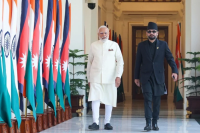
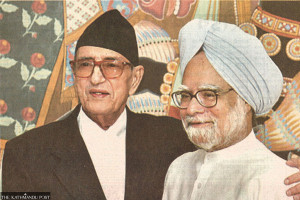
As mayor, Balendra Shah made the border dispute his calling card. In Delhi, as the prime minister, he left it, and other hard questions, unanswered.Photo: Courtesy of Ministry of Foreign Affairs
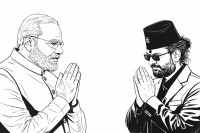
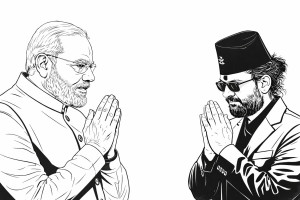
As Kathmandu’s mayor, Balendra Shah rarely let the Nepal-India border dispute rest. In June 2023, hehung a ‘Greater Nepal’ map in his office. That August, hecancelled a China trip because Beijing’s new map placed Lipulekh, Kalapani and Limpiyadhura inside India. On Facebook, his go-to communication channel, he called out Nepali leaders for averting their gaze from the border dispute. On Monday in New Delhi, now as the prime minister, he wished for a friendship in which trust stands “as tall as the Himalayas.” He did not mention the international boundary around them.
The bilateral meeting with his Indian counterpart Narendra Modi produced real gains, but on the issues Nepalis had been told to watch, the outcome is instruction rather than agreement. The joint press release notes “progress in joint field work relating to maintenance and repair of boundary pillars” and directs the foreign secretaries to “work on the outstanding boundary issues”. It asks Pancheswar’s authorities to finalise the project report ‘expeditiously’ and records ‘on-going discussions’ on civil aviation. None of this carries a deadline, and the release names none of the disputed areas. The EPG report remains missing altogether. The release is also silent on the non-tariff barriers that choke Nepali exports.
Shah’s record in office makes the thin language harder to read. In May, he told Parliament that Nepal too had ‘encroached’ on Indian land and floated UK involvement to sort out the border dispute. This papercalled the remarks frivolous, andIndia swiftly rejected any third-party role.
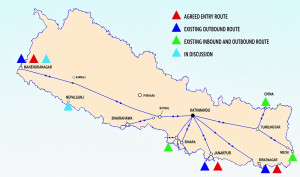
In addition, the build-up hadflagged opening air routes as one of the real tests of Shah’s first state visit as the prime minister. Air routes mattered most, because Pokhara and Bhairahawa international airports were built at great expense, and with great expectations, but still remain underused without the routes.
Two days before the visit, no new route had been agreed. And they consequently did not make it into the agreements either. But it did make it to the press release. The release mentions that the existing one-way B345 Kathmandu-Bhairahawa-Lucknow route will be made bidirectional, with technical consultations to settle the modalities. This is a positive step towards opening up international air traffic in Nepal.
There were other upsides to the meeting, and they should be acknowledged. India announced development assistance of Rs240 billion, of which only Rs56 billion is a grant for post-disaster reconstruction. Past announcements of Indian assistance have too often ended with only the grant component reaching Nepal. This one should be tracked from the start.
India also offered transit access through Kandla, with Paradip access to follow once the requisite infrastructure is in place. It declined Mundra altogether. Shah and Modi also inaugurated the Darchula bridge and the second phase of the Motihari-Amlekhgunj pipeline, and laid foundations for the 669MW Lower Arun project. Shah’s address also welcomed Indian investors in one line, with no pitch behind it. Nothing short of a regular India visit by a sitting Nepali prime minister.
The resolutions are as apparent as the questions left unanswered by the visit. First, the government needs to table the MoU texts and the joint vision document in Parliament, and communicate plainly which issues were raised in Delhi and which were not. Second, it should reconvene the Nepal-India Boundary Working Group on a fixed calendar and seek a foreign secretary-level meeting within a set period. Third, non-tariff barriers should go on the Commerce Secretary-level meeting agenda with a date. Fourth, the government should build a national position with opposition parties and border experts, so that Lipulekh does not hinge on one leader’s mood. Fifth, air routes and Pancheshwar need their own negotiating teams and public deadlines. Sixth, it should publish a ministry-wise action plan with deadlines for every announcement, including which projects the Rs56 billion grant will fund and when money reaches flood-affected families.
Shah won public trust as a leader who spoke plainly. Delhi was the place to do so, but it is still not too late to begin at home. As mayor, Shah left no one in doubt that the border mattered to him. As prime minister, he has yet to show that it still does. Parliament, as this paper has said umpteen times, is the place to begin.




 13.12°C Kathmandu