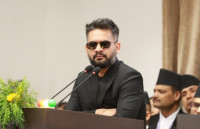
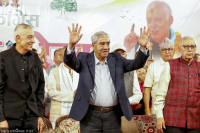
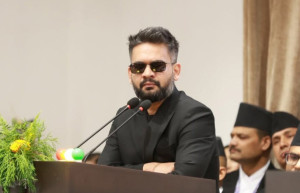
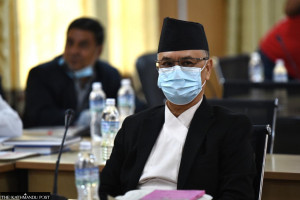
Prime Minister Balendra Shah rose to the highest office in the land on the rhythmic tides of social defiance and the lyrical promise of accountability. The cover song titled Garibako Chameli served as the anthem for a generation hungry for change. It is a profound irony that the very melody which vocalised the plight of the poor is now being turned against the man who rode its popularity into Singha Durbar. The protest square of Maitighar Mandala and the digital corridors are filled with the same verses, now used to remind the PM that power does not necessitate a loss of empathy. It is a reminder to a leader who once sang that there is no one to speak for the poor, but now remains conspicuously silent when speech matters most.
The absence of Prime Minister Shah from parliamentary proceedings is a breach of tradition. For over a month and a half since taking the oath of office, he has failed to address the House of Representatives. This silence is particularly deafening given the proximity of his office to the federal parliament building, a scant fifty metres. A recent walkout during the joint session of the federal parliament while the President presented the government’s policies further illustrated a disregard for legislative dignity. Such actions indicate a worrying trend toward the presidentialisation of a parliamentary system where the executive views the legislature as a secondary inconvenience. When the executive head delegates the task of answering vital questions to a subordinate minister, he effectively distances himself from the very people who mandated his rise.
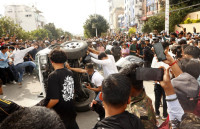
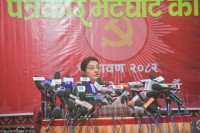
The contrast between Shah as a rapper with a social conscience and his current governing style is starkly visible in the treatment of the urban poor. The mobilisation of bulldozers to evict landless settlers without providing viable alternatives has sparked widespread outrage. These actions contradict the spirit of the songs he once used to critique the indifference of previous administrations. PM Shah has communicated his perspective on these evictions primarily through a single social media post rather than engaging in a formal parliamentary debate. This preference for digital platforms over constitutional institutions undermines the role of Parliament as a site for accountability. Furthermore, bypassing judicial seniority while recommending the new Chief Justice has raised alarms over executive interference in the judiciary. A government that simultaneously avoids the legislature and challenges the independence of the judiciary risks eroding the foundations of a democratic state.
If the prime minister continues to treat the legislature as optional, he risks validating the claims of those who see his style as increasingly authoritarian. True political disruption, that the government claims to pursue, must entail making the system more responsive to the needs of the weakest citizens rather than simply replacing one form of opacity with another. The Gen Z movement that supported the PM did so with the hope of a transparent and humane government. A leader unwilling to face the opposition is a metaphor for a government that is blind to the questions of the people. Accountability is not a luxury but a requirement for any leader born out of a democratic system.
PM Shah must realise that a mandate of the people is a trust to be honoured through dialogue. The song Garibako Chameli has survived decades of political change because it speaks to a fundamental human truth about the need for a voice. If the prime minister will not speak for the poor in the House, he risks rendering his own musical legacy meaningless. The silence in Parliament must end so that the work of governing can begin with transparency and dignity. Mr PM, it is time for you to step across those 50 metres and reclaim the spirit of the song you once sang.




 15.26°C Kathmandu