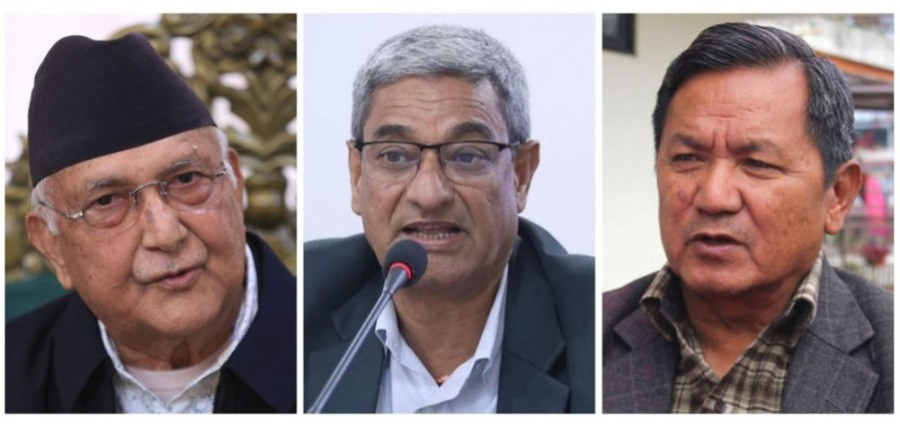
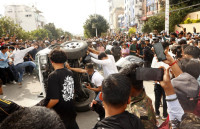
The National Human Rights Commission (NHRC) has issued a probe report on September’s Gen Z uprising, indicting Nepal’s then political and security leadership. The report implicates then Prime Minister KP Sharma Oli, alongside key Cabinet members and the highest-ranking security officials. It identifies a series of gross human rights violations during the protests, specifically citing the government’s social media ban as the primary catalyst for an avoidable catastrophe that left a total of 76 people dead and public infrastructure in ruins. The Commission has recommended invoking Article 249 (2)(c) of the Constitution, which grants it the right to institute a case against any person or organisation who has violated human rights.
However, the historical context of such findings suggests a pattern of neglect. For over two decades, the implementation of NHRC recommendations has been characterised by systemic failure and administrative stagnation. The full implementation rate of the commission’s directives has been below 15 percent. Successive administrations have refined a ‘buy-out’ dynamic, wherein the state offers monetary compensation up to Rs300,000 to the families of victims as a shortcut to avoid legal accountability. This culture of impunity is most evident in the post-civil war era, where the state’s compliance rate on the punitive aspects of wartime human rights violations stands at exactly zero percent.
The ramifications of failing to implement this specific report would be catastrophic for Nepal’s democracy and international standing. Internally, the message to the citizenry would be that the constitutional order is a facade, and the state reserves the right to kill its own people. Externally, the findings are expected to be raised before the United Nations mechanisms and during Nepal’s Universal Periodic Review process. Ignoring these recommendations will invite international scrutiny. The Gen Z-ers, whose grievances birthed this movement, will not accept partial implementation of the report that prioritises the protection of the powerful over the rights of the fallen.
To restore faith in the rule of law, the government must avoid selection bias. The recent report by the Gauri Bahadur Karki-led commission was fundamentally flawed because of a narrow investigative scope focusing almost exclusively on the events of September 8. Justice cannot be selective. The NHRC has correctly identified that the incidents of September 9 were organised criminal acts that occurred simultaneously across the country. Now, investigations must encompass both days of violence without prejudice, and political affiliation must not serve as a sanctuary.
While the report centres on the erstwhile Oli administration, it also calls for deep scrutiny of members of the ruling Rastriya Swatantra Party (RSP), including its chair Rabi Lamichhane and lawmakers such as Sudhan Gurung. No individual should be exempt from legal inquiry simply because they occupy a seat in the parliament or belong to a particular party. The government must fast-track the formulation of retrospective legislation and the establishment of a special court, as existing laws are currently insufficient to prosecute human rights violations.
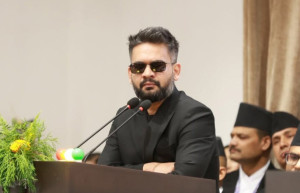
The bottom line is that the NHRC’s report must be implemented in full, and it must be done within the statutory three-month window. Under Section 17 of the NHRC Act 2012, the government has a legal obligation to act, yet the executive branch has long treated such deadlines as mere suggestions. The commission has proposed a comprehensive suite of penalties, including six-year bans on holding public office, foreign travel restrictions, and criminal imprisonment for those found responsible. This represents the litmus test for the Balen Shah administration. The era of accountability must begin with the immediate prosecution of those who orchestrated and executed the September violence.




 15.33°C Kathmandu