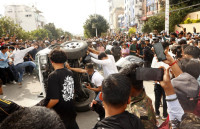
Cocooned within their own circle and relying primarily on the mobilisation of security forces to contain the communal tensions in the Tarai-Madhesh, Prime Minister Balendra Shah and his key Cabinet colleague, Home Minister Sudan Gurung, finally came forward in search of a consultative solution to the crisis. Three lives were already lost, with several others sustaining bullet injuries in days of violence before Gurung descended to Sunsari and Shah addressed the nation on Thursday.
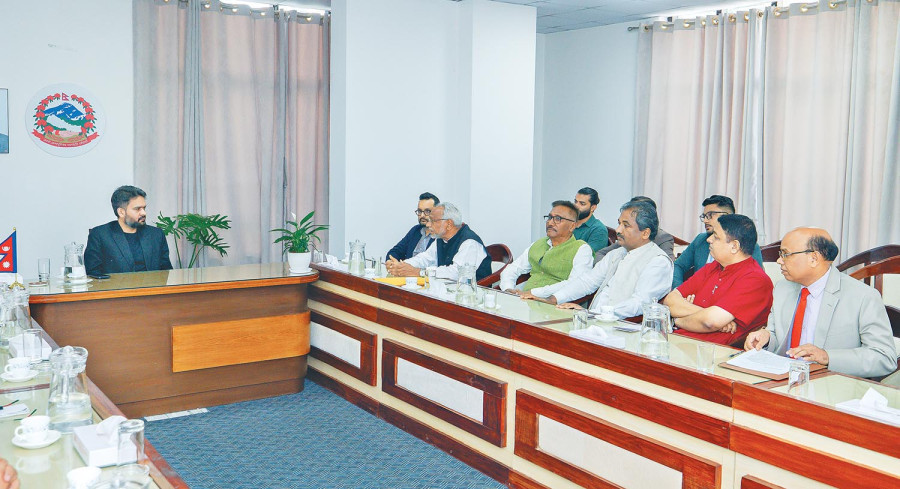
Stepping out of his chamber, Shah not only called on President Ramchandra Paudel for the first time since taking charge as the executive head four months ago, but also telephoned Vice-President Ram Sahaya Prasad Yadav and held a meeting with Madhesh-based parties. Gurung, on the other hand, visited the violence-affected districts, reaching out to victims’ families and negotiating with different communal groups. His determination that he would not return to Kathmandu until law and order is restored deserves applause.
The results of the engagement can already be seen. Life in the clash-affected districts is gradually returning to normalcy, and there have been no reports of violence over the past three days. This also gives every reason to argue that had the prime minister and his team embraced consultation and stakeholder engagement immediately after the violence erupted on July 26, the crisis could have been contained much earlier, with minimal loss.
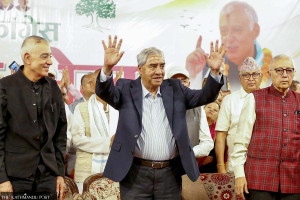
Nepal has gone through several crises over the years. Each time, political parties have set aside their rivalries and united to find a solution. It is a beautiful political culture that is seldom seen in our neighbourhood. This time as well, representatives of all the parties, in an all-party meeting held by the ruling party, called for peace and restraint.
The response once again demonstrated that Nepal’s political challenges are often best addressed through dialogue and collective ownership rather than through the strength of numbers alone. This is a lesson that remains relevant for the incumbent government as it navigates the crisis and the broader responsibilities that come with power.
Rastriya Swatantra Party leaders and Shah’s ministers often cite the overwhelming number of seats they won in the March elections to defend their moves. While it is true that people showered them with unprecedented support through their votes, it is equally true that the RSP secured less than 50 percent of the total vote share. This means that more than half of the votes were for other parties, even though this did not secure them seats in Parliament. That is also a reminder that the political parties representing the other half of the electorate need to be taken into confidence when making crucial decisions or responding to times of crisis.
The Sunsari violence was a test case for the incumbent government, and it appears that Shah and his team have understood the importance of a consultative approach. And rightly so. Shah should now appear in Parliament and entertain questions from lawmakers. He should also face the media and interact with the general public, as Gurung has done. The position of the prime minister or ministers is not merely administrative; it is political. It demands stepping out of the chambers of Singha Durbar and the four walls of Baluwatar. The Sunsari incident seems to have triggered that much-needed departure, and the country now expects the government to sustain the same level of engagement, if not more, in the days ahead.




 15.26°C Kathmandu