Governments form probe panels to quell public outrage but often shelve their findings afterwards. This photo from March 8 shows former chair of Special Court Gauri Bahadur Karki (left) handing over the Gen Z protest inquiry report to then Prime Minister Sushila Karki. Post file photo
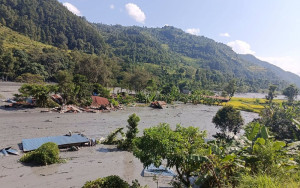
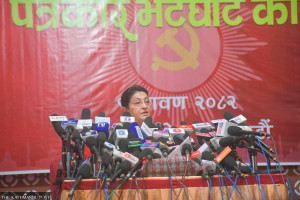
Over a dozen commissions and committees have been formed in Nepal in the span of three decades, and largely none of their recommendations has been implemented. This tells the story of how successive governments over the decades constituted high-level panels to probe corruption, atrocities committed during different movements, the grabbing of public land and smuggling, among other issues, only to shelve their reports after they are submitted. In several instances, governments have not even received the reports from these panels.
The unresponsive attitude of successive governments has remained largely unchanged since the 1990s. In May 1990, the interim government led by Krishna Prasad Bhattarai formed a commission under the chairmanship of Janardan Mallik to investigate the loss of life and property and human rights abuses during the People’s Movement. Yet governments that came to power on the sacrifices of dozens of people who fought for democracy took little meaningful action.
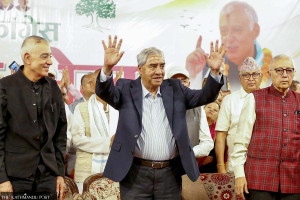
The same attitude was repeated after the 2006 People’s Movement. The report of the Krishna Jung Rayamajhi Commission, formed to investigate the suppression of the movement, continues to gather dust, with successive governments showing little interest in implementing its recommendations. There are several other instances in which the Nepali Congress, the CPN-UML and the erstwhile CPN (Maoist Centre) have dumped the reports prepared after extensive study.
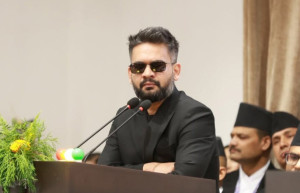
The incumbent government is also treading the same path. Ten panels have either been constituted under the Balendra Shah administration or have had their reports come to rest on its shoulders for implementation. Yet none of their recommendations has been fully implemented. The implementation of the Gauri Bahadur Karki commission’s report on state atrocities during the Gen Z movement has so far resulted in the arrest of former prime minister and CPN-UML chair KP Sharma Oli and former home minister Ramesh Lekhak. No progress has been made in implementing the National Human Rights Commission’s recommendations concerning human rights violations during the September 8 and 9 protests, to name just a few.
As Mallik aptly observed, governments have long used such panels to diffuse public outrage and ease political pressure, only to let their reports collect cobwebs once the immediate crisis has passed. The pattern has persisted, regardless of the political transformations the country has undergone over the years.
This is a treacherous betrayal of the people waiting for justice and of the wider public that expects meaningful change based on the findings of such commissions. These investigations often take months and consume considerable state resources, only for their findings to be ignored. Hence, ignorance also amounts to a waste of public resources. Failure to act on their recommendations not only disrespects the experts who served on these panels but also undermines the credibility of the investigative process itself.
More importantly, inaction allows wrongdoing to be repeated with little fear of accountability, deepening the culture of impunity. Had those named by the Mallik Commission been held accountable, those in power in 2006 might have thought twice before using indiscriminate force against peaceful protesters. The same lesson applies to the Gen Z movement.
It is not too late for the Shah government to act. Its commitments to ending impunity and delivering justice will ring hollow if it, too, chooses to shelve commission reports rather than act on their findings.




 14.4°C Kathmandu