BOOK TALK: Writing a guide for Nepal’s next surgeons
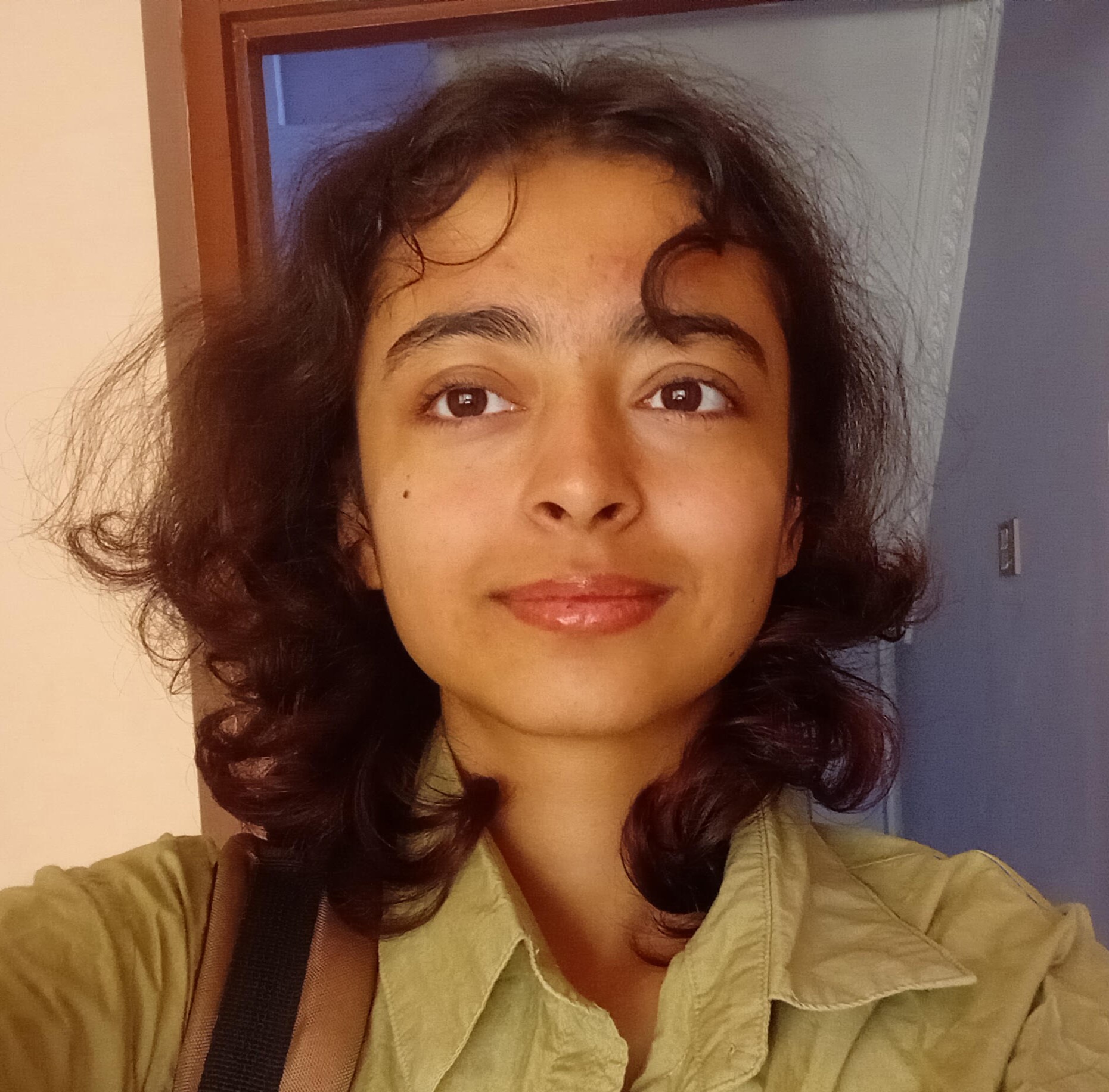
Surgeon Dr Rameshwar Prasad Pokharel reflects on a lifetime spent expanding child healthcare, training specialists, and his upcoming book ‘Basics of Pediatric Surgery’.Courtesy of Rameshwar Prasad Pokharel
Born in Khotang, Dr Rameshwar Prasad Pokharel grew up witnessing a harsh public health reality. Nepal had recorded one of the world’s highest infant mortality rates, with 138 deaths per 1,000 live births.
Over the years, to strengthen the country’s healthcare infrastructure, he has built five hospitals in underserved regions through community fundraising. He also mobilised funds to construct the first dedicated 40-bed pediatric surgical ward at Tribhuvan University Teaching Hospital and founded Nepal’s first postgraduate training programme in pediatric surgery.
In this conversation with the Post’s Jony Nepal, Pokharel discusses his second book, ‘Basics of Pediatric Surgery’, which is scheduled for its release on June 5.
Growing up in Khotang at a time when Nepal’s child mortality rate was high, what inspired you to be a pediatric surgeon, and how was your journey?
I spent my childhood moving from place to place, changing homes and schools. My father was a government worker, and in those days, transfers were frequent.
My path in medicine evolved through this exposure and experience. After completing my schooling, I joined MBBS and later went to the Teaching Hospital to look for a job. I was particularly interested in orthopaedics, but due to the lack of vacancies, I applied to paediatrics.
To my surprise, I passed the interview. I started with neonatology. Inspired and encouraged by my seniors, my interest in paediatrics grew over time.
However, I was still drawn towards surgery. While working at Kanti Hospital, I became aware that pediatric surgical services in Nepal were extremely limited, with no strong system for training professionals.
I further went to Japan to continue studying. When I came back to Nepal, I was the fourth pediatric surgeon in the country. The number itself explains the situation.
When did you start writing the book, and how is it structured?
It began while I was still studying and working. The process took many years.
After returning to Nepal, time constraints and institutional responsibilities slowed things down. The manuscript was ready around two years ago, but it went through refinement, editing, and publication. While it was a long journey, it also helped me improve in a way.
Most textbooks are disease-based, listing conditions one by one. We structured this book differently. It is system-based and divided into six major sections. We also included guidance on how doctors and health workers should identify cases and when to send them to higher centres.
Why did Nepal need its own pediatric book? Who is it aimed at?
The main reason was very simple. There was no proper reference book for pediatric surgery that reflected our reality in Nepal.
When I was working at Kanti and other hospitals, we had no structured textbooks or locally relevant materials. We depended heavily on what seniors taught us and on foreign books, which often described systems and facilities very different from ours.
I felt like a gap. If a medical officer, resident, nurse, or even a paramedic working in a remote area needed guidance, there was no single source that practically spoke to them.
That is where the idea began for creating something useful in our context. It is not only for surgeons. It is for medical students, postgraduate trainees, residents, nurses, paramedics, and doctors working in remote areas.
It also acknowledges that our environment is different from that of high-resource countries. We do not yet have widespread robotic surgery or advanced infrastructure everywhere. So the book reflects what is actually possible here, while still introducing global developments.
You were also involved in starting postgraduate training in pediatric surgery in Nepal. In the past, participation in the field was extremely low. What does this new generation of pediatric surgeons mean to you?
When I returned to Nepal, pediatric surgery was not yet a structured academic discipline. At Tribhuvan University Teaching Hospital, we began working on developing the first curriculum for pediatric surgery. That was a foundational step because without a curriculum, we cannot build a speciality.
Pediatric surgery training has expanded significantly compared to earlier years. Institutions like Kanti Children’s Hospital are now producing trained pediatric surgeons through successive batches.
That shift is very meaningful because it reflects continuity. It means the field is no longer dependent on a few individuals. We also focused on building infrastructure because even if we produce skilled surgeons, they need places to work, operate, and teach.
The vision for this was also decentralisation and accessibility.
Children should not have to travel to Kathmandu for every surgical need. Each province should have its own capacity, its own trained surgeons, and its own functioning pediatric units.
After decades of experience in pediatric surgery, how have you seen parents’ perceptions of surgery in children change? What message would you like to give to them?
I have seen a clear shift in how parents now perceive pediatric surgery. Earlier, there was fear, hesitation, and in some cases, mistrust. They perceived surgery as something extreme. Consequently, families would delay seeking help until conditions became complicated.
There have been situations where, after being told that a child would require multiple surgeries, some parents have left the hospital and not returned. In a few cases, families have even abandoned children entirely after hearing the complexity of treatment.
Things are better at the moment. Parents are more aware and open to treatment consultation. But somehow, there are moments of hesitation. Instead of seeking medical intervention, people may still turn to home remedies, which can further deteriorate the situation.
I encourage parents not to delay medical advice. Many pediatric surgical conditions are highly treatable if diagnosed early. Delay leads to unnecessary complications.
Surgery should also not be feared and resisted. Pediatric surgeries have good outcomes when performed at the right time and place. What matters most is timely consultation and trust in medical guidance.
Rameshwar Prasad Pokharel’s five book recommendations
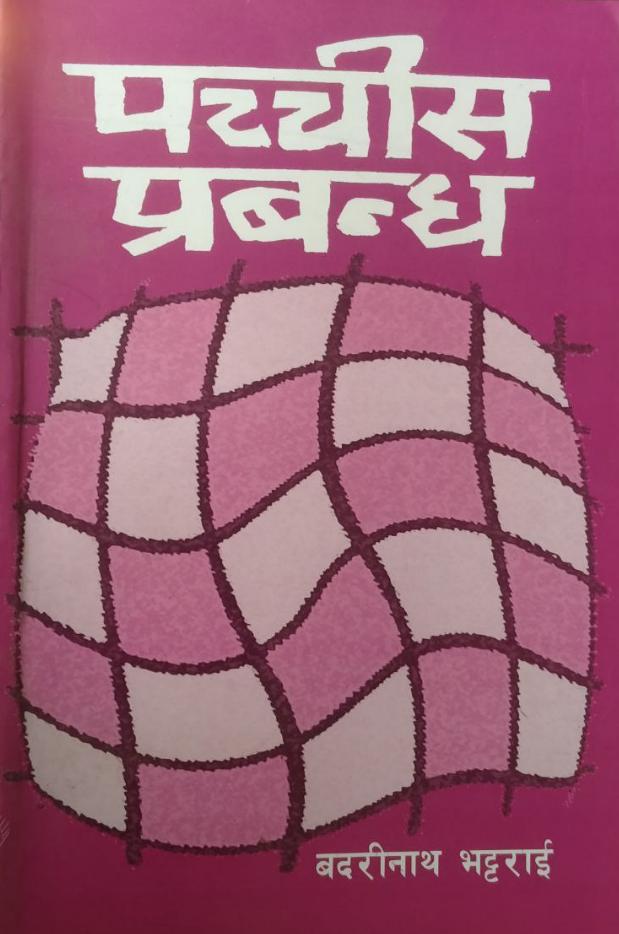
Pachchis Prabandha
Author: Badarinath Bhattarai
Publisher: Sajha Prakashan
Year: 1960
This book stands out for its literary elements. The blend of philosophy and literature is particularly striking.
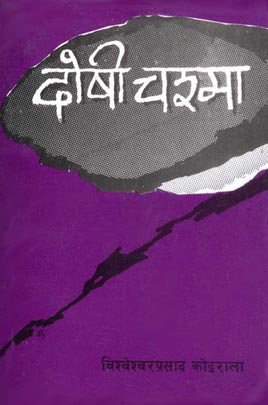
Doshi Chasma
Author: Bishweshwar Prasad Koirala
Publisher: Sajha Prakashan
Year: 1949
‘Doshi Chasma’ holds a special place in my heart because of its exploration of internal guilt and psychological trauma.
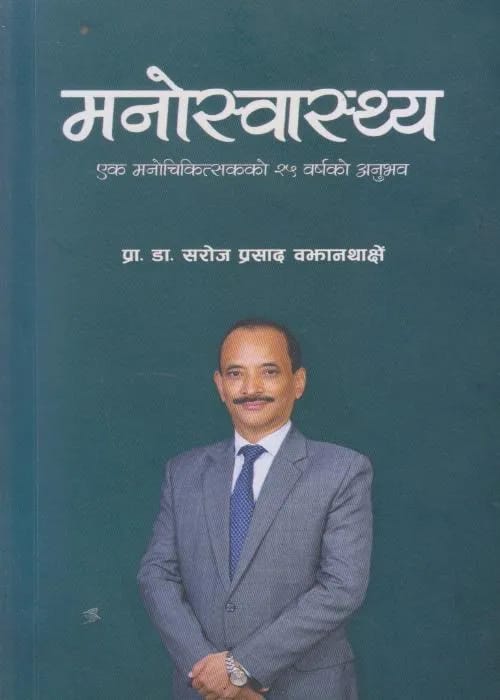
Manoswastha
Author: Saroj Prasad Ojhanthchhen
Publisher: Eternal publication
Year: 2025
The recently released ‘Manoswastha’ is a medical book that serves as an educational guide to mental health.
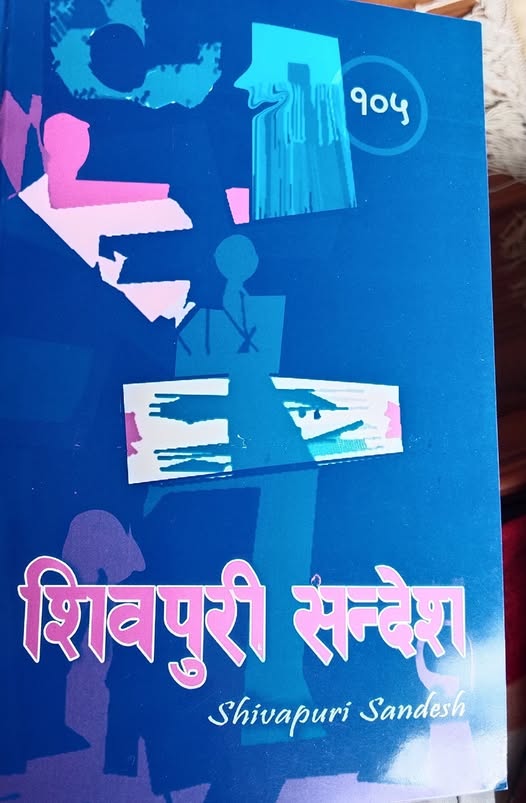
Shivapuri Sandesh
Author: Biyogi Budathoki
Publisher: Shivapuri Sandesh Prakashan
Year: 1992
It captures the heartbeat of Nepali society by archiving its history, struggles, and resilience through poetry and literature.
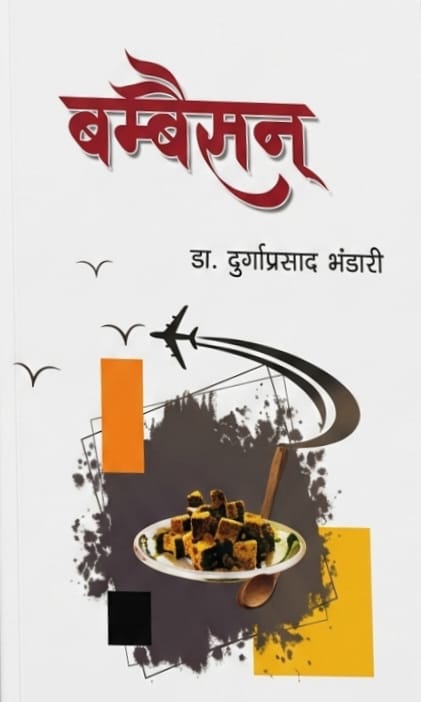
Bambaisan
Author: Dr Durgaprasad Bhandari
Publisher: Self
Year: 2025
Bhandari writes about his childhood and extensive travels across the globe. It is a memorable read.




 23.24°C Kathmandu