‘Nepali cinema needs new stories, not recycled formulas’
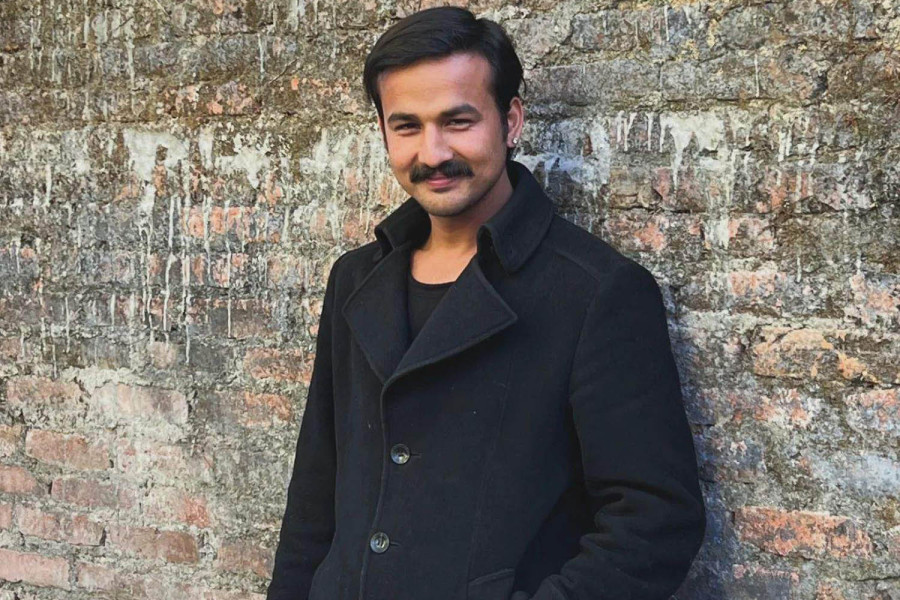
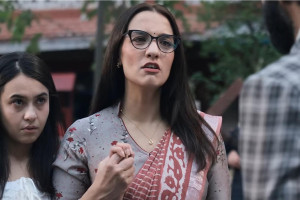
From theatre to film, actor Jiwan Jung Basnyat on casting and the need for Nepali film industry to take creative risks. Photos: Courtesy of Jiwan Basnyat
Jiwan Jung Basnyat is an actor from Sunsari. He holds a Bachelor's degree in Film Studies (Acting) from Oscar International College and has been acting in theatres since he was 12 years old.
Basnyat changed schools multiple times by Class 6, following his elder brother, a teacher. It was during this itinerant childhood that he was first introduced to theatre, almost by accident.
In the absence of an established theatre culture in his hometown, his journey began without knowing what ‘theatre’ was, which now has spanned over 200 short films, with 50 of them released and a notable work in recent Nepali film ‘Ramita Ko Pirati’.
With The Post’sJony Nepal, he spoke about his transition from stage to screen and what it takes for actors to find recognition in today’s Nepali film industry.
What inspired you to move into films from theatre?
Once, while watching the movie ‘Chhadke 1’, I saw Bipin Karki play a character called ‘Bindu’, a gangster from Chitwan. Watching it, I realised how seamless the acting was. I believed Karki was actually from Chitwan. It was only later I found out he was a theater actor. That's when it hit me, theater people can do films too. That connected my interest in film with my continuity in theater.
With this, back when I was in grade 8, I messaged the director of ‘Bhutan’, also the principal of Oscar College.
What do you think Nepali audiences and producers should understand about the effort actors put into acting?
Audiences see and feel what's real, so there's not much for them to understand differently. But producers should focus on proper, wise casting, using a real casting process with auditions and screen tests to see if someone genuinely suits a role, instead of casting based on social media followers and personal networking.
It's frustrating watching someone get a lead role after just a random lip-sync trend clip on TikTok, while others with years of proper training and stage experience don't get a chance.
How important is self-promotion for actors?
Extremely important. This is the age of algorithms and reels. The real issue is that trained actors are being forced into promoting themselves through reels just to be seen at all.
Projects I did two or three years ago were just sitting unused on my drive; once I posted them as reels, offers from films actually started coming in.
Personally, when things were financially tough with no work, no money to pay off debt, not even enough to eat, that's when I posted my first clip. It came from real pain, not from ‘selling sympathy’ as few people called it. That said, there is a negative side to this too, many people post reels purely to chase followers, and some without any acting background end up getting mainstream recognition just for that.
What role do costumes and makeup play in developing the emotional layers for a character?
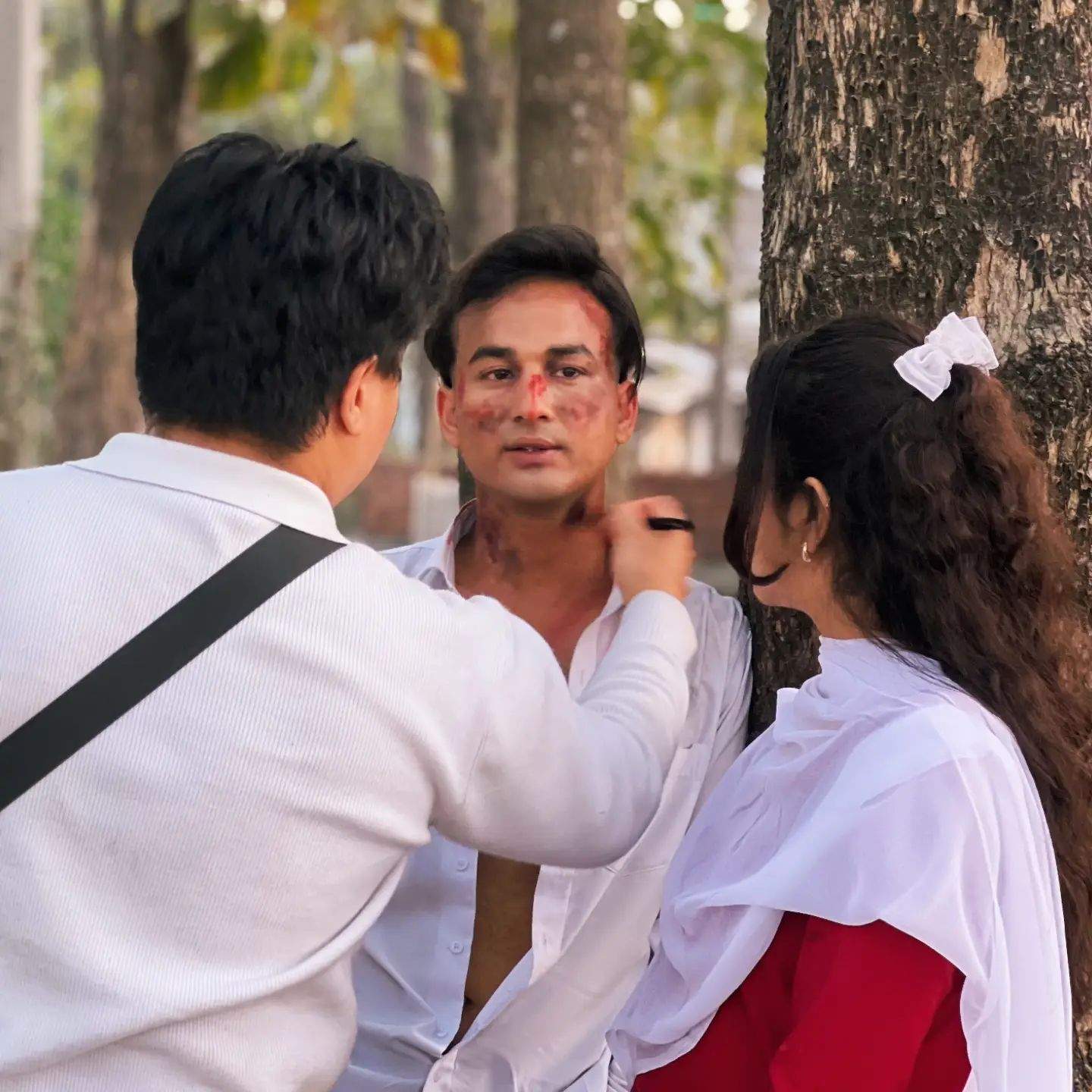
Makeup plays a big role, but only when used properly. Earlier, I used to focus a lot on the outer look with costume and makeup. But now I understand that it is secondary. The first thing is the character's psychology, their mental state, and what situation they're going through. The same thing can be perceived completely differently by different characters; that emotional layer and inner acting is what I now prioritise, more than outer appearance.
Having said that, to help myself believe in my character’s existence within me, I use music, costume, or even my co-actor's reactions become valuable.
What is your opinion on acting education and training in Nepal?
Film colleges brought technical improvement in cinematography and sound. But lately it has degraded. Short-term acting classes run for a month or two without any proper syllabus, and nobody really knows who's teaching or how qualified they are.
Even Bachelor's programs, which should teach specialisation over four years, struggle to do this properly. They fail to develop real industry connections. In my batch, there were 25-30 acting students, and only one or two are getting to work.
Colleges take fees, teach loosely, and do not help students get connected to the industry afterward.
Why do Nepali films struggle to get recognition?
The main reason is a lack of diversity; everyone copies whatever formula last worked. If ‘Loot’ works, everyone else will make ‘Loot’. Such is the case with ‘Purna Bahadur Ko Sarangi’ and many other Nepali films and trends. There's also a shortage of skilled writers and directors in the mainstream.
Real change needs producers and directors who understand cinema and are willing to trust emerging actors and filmmakers.
It is not that we do not have creative artists with expertise and unconventional vision. As the gap between the producers and us persists, so do quality products in Nepali film industry.
I personally made a portfolio of short films and pitched scripts to directors and producers, but most producers only care about finance, not filmmaking knowledge. They kept saying ‘only Purna Bahadur type films will run’, discouraging new stories. With Nepali films increasingly honing the technicalities, be it cinematography, colour grading or art direction, the lack of narrative uniqueness limits their own creative boundaries and audience.
Where do you see the Nepali film industry in the next 10 years?
There are a lot of possibilities. Talented new writers and directors are emerging, if even one of them breaks through the mainstream recognition, it opens doors for other talents too. If new, creative ideas keep coming, I believe Nepali audiences will embrace new tastes as well.




 26.12°C Kathmandu