Nepal working on detailed assessment as Bhotekoshi flood reconstruction could cost up to $5 billion
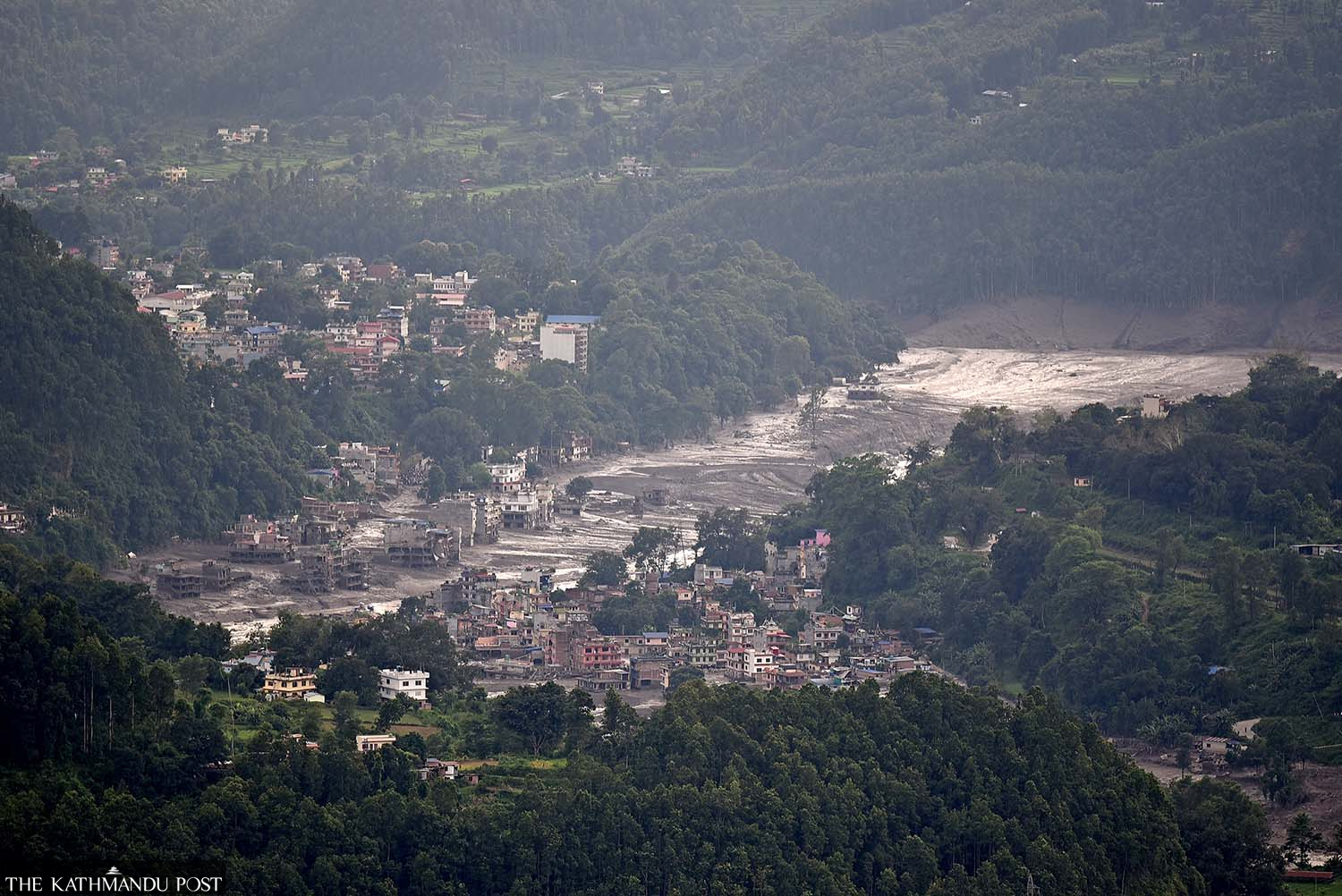
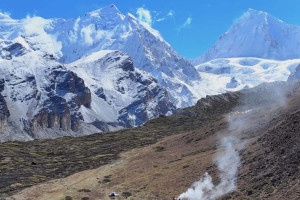
The assessment will determine reconstruction needs as government plans to seek international support for rehabilitation and rebuilding. Reconstruction and rehabilitation after the Bhotekoshi floods could cost Nepal between $4 billion and $5 billion, according to preliminary estimates, though the final figure will depend on a detailed post-disaster needs assessment. Post Photo
As the government prepares to carry out a post-disaster needs assessment (PDNA) of the devastation caused by the Bhotekoshi floods, preliminary estimates suggest that Nepal could require around $5 billion (around Rs762 billion) for reconstruction and rehabilitation, according to government officials.
Finance Minister Swarnim Wagle told Reuters that the government may need between $4 billion and $5 billion to rebuild structures damaged by the floods and carry out other rehabilitation-related works. He stressed that the figure was only a preliminary estimate, as the full extent of the loss and damage is still being assessed.
“We will require much less than what we needed for the 2015 earthquake. Loss and damage is being assessed,” said Wagle, who also carried out a PDNA after the twin earthquakes then for the National Planning Commission.
Both Wagle and Foreign Minister Sishir Khanal told the Post that the government’s immediate focus is search and rescue and relief operations. Assessments of the damage are being conducted in parallel. The government will then seek international support for rehabilitation and reconstruction efforts.
Khanal said that after rescue and relief works, “we will carry out the post-disaster assessment and reach out to the donor community for their support in rehabilitation and reconstruction”.
The government has sufficient resources for rescue and relief, Finance Minister Wagle said, but will need to mobilise additional funds for reconstruction once the extent of the damage is established.
A team from the National Disaster Risk Reduction and Management Authority is currently preparing a rapid assessment of the loss and damage caused by the recent floods on the Bhotekoshi river.
The government will use the findings to determine the scale of the disaster before formally authorising the National Planning Commission to conduct a comprehensive post-disaster needs assessment.
The PDNA will assess the damage to infrastructure, houses and livelihoods and determine the financial requirements for recovery, rehabilitation and reconstruction. Once the assessment is completed, the government plans to approach development partners and other donors for financial support.
“The scale of the devastation is quite significant, and we anticipate requiring international assistance for rehabilitation and reconstruction,” Khanal said at a press conference on Saturday.
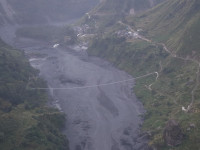
“Given the extensive damage to critical infrastructure, houses, road networks, bridges and hydropower facilities, a detailed assessment of the needs is currently underway, and a report will be ready soon.”
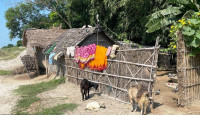
According to the preliminary government estimate, around 15,000 houses have been completely damaged, while several hydropower facilities and other critical infrastructure have also been affected. Further assessments are being conducted as rescue and relief operations continue.
Government officials told the Post that the planning commission, with support from various ministries and national and international experts, will prepare the PDNA.
That the Planning Commission will prepare the PDNA is more or less agreed, NPC Vice-chairman Gunakhar Bhatta told the Post.
The National Planning Commission is expected to lead a comprehensive post-disaster needs assessment, which could take around two months and will determine funding requirements for recovery, rehabilitation and reconstruction. Angad Dhakal/TKP
The National Disaster Risk Reconstruction and Management Authority is currently compiling preliminary data on the loss and damage, Bhatta said. The agency is also using artificial intelligence to speed up the assessment of the devastation.
“It might take two months to prepare such a PDNA as we need to look into various aspects,” Bhatta said.
Nepal followed a similar process after the 2015 earthquakes, when the National Planning Commission prepared a PDNA that estimated the financial requirements for reconstruction and rehabilitation. The government subsequently organised an international donor conference to mobilise resources for the reconstruction of damaged homes and infrastructure, some of which have yet to be completed.
This time, the government also plans to examine the impact of climate change and disaster risks while preparing its reconstruction strategy, Bhatta said.
“We will look at how climate change is affecting us and make a recommendation tool,” he said. “We will also look into the damage done to infrastructure and how to resettle the people, including creating new settlements.”
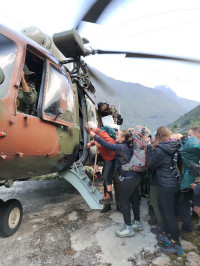
Wagle was in Devighat, Nuwakot on Saturday to inspect damage caused by the floods downstream of the Bhotekoshi river. He said the government’s immediate priority was to provide relief to areas that have been cut off after roads and bridges were damaged.
The government is also focusing on airlifting relief supplies to places such as Dhunche, Rasuwa, and Syaprubesi, where road links have been severed.
Another major challenge is managing bodies swept downstream towards Chitwan and Nawalpur and possibly across the border, Wagle said.
“The next phase will focus on early recovery, including temporary shelters and cash-for-work programmes,” he said. “This will be followed by the daunting task of reconstruction.”
The government stresses that saving lives and providing immediate assistance remain its priorities.
“Our immediate priority remains clear: to save lives, locate missing persons, rescue them, provide urgent relief to survivors, and ensure that affected Nepali as well as foreign nationals receive appropriate assistance and support,” Khanal said.
Anil Giri is a Chief Sub Editor covering diplomacy, international relations and national politics for The Kathmandu Post. Giri has been working as a journalist for more than two decades, contributing to numerous national and international media outlets.




 20.51°C Kathmandu