Nepal celebrates Bhai Tika, the final day of Tihar
Sisters apply colourful tika to their brothers, praying for their long life, good health and prosperity in a festival rooted in religious belief and family bonds. Post photo
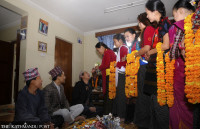
Nepal is celebrating Bhai Tika, the final day of Tihar, with sisters applying ritual tika to their brothers and praying for their long life, good health and prosperity.
Observed every year on the second day of the waxing moon in the Nepali month of Kartik, Bhai Tika is the centrepiece of Tihar, the country’s second-largest festival. Sisters traditionally mark their brothers’ foreheads with tika in five or seven colours. The festival is also known as Yama Dwitiya.
The ritual is reciprocal, with brothers also applying tika to their sisters after receiving it from them. According to Hindu belief, worshipping one’s sisters brings lasting good fortune and prosperity.
Tika can be applied throughout the day, but those seeking an auspicious time have been advised to perform the ritual at 11:07am, said Purushottam Bhattarai, chair of the Nepal Calendar Determination Development Committee. There is no religious restriction on applying tika at other times of the day, he said. However, the committee has said that state officials should observe the ritual at the designated auspicious time.
This year, the committee has advised sisters applying tika to face east and brothers receiving it to face west. This position places the moon, which is in Scorpio, to the right of those receiving tika. The moon will enter Scorpio on Wednesday morning, having been in Libra until then.
Religious scholar Ramchandra Gautam said the same directions could be followed while the moon was in Libra. Hindu scriptures prescribe that the moon should be either in front of or to the right of people during auspicious ceremonies, he said.
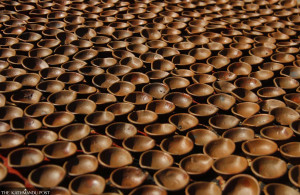
On Bhai Tika, sisters first worship the oil lamp, ritual water vessel and image of Ganesh




 15.12°C Kathmandu