Inside Nepal’s growing digital healthcare industry
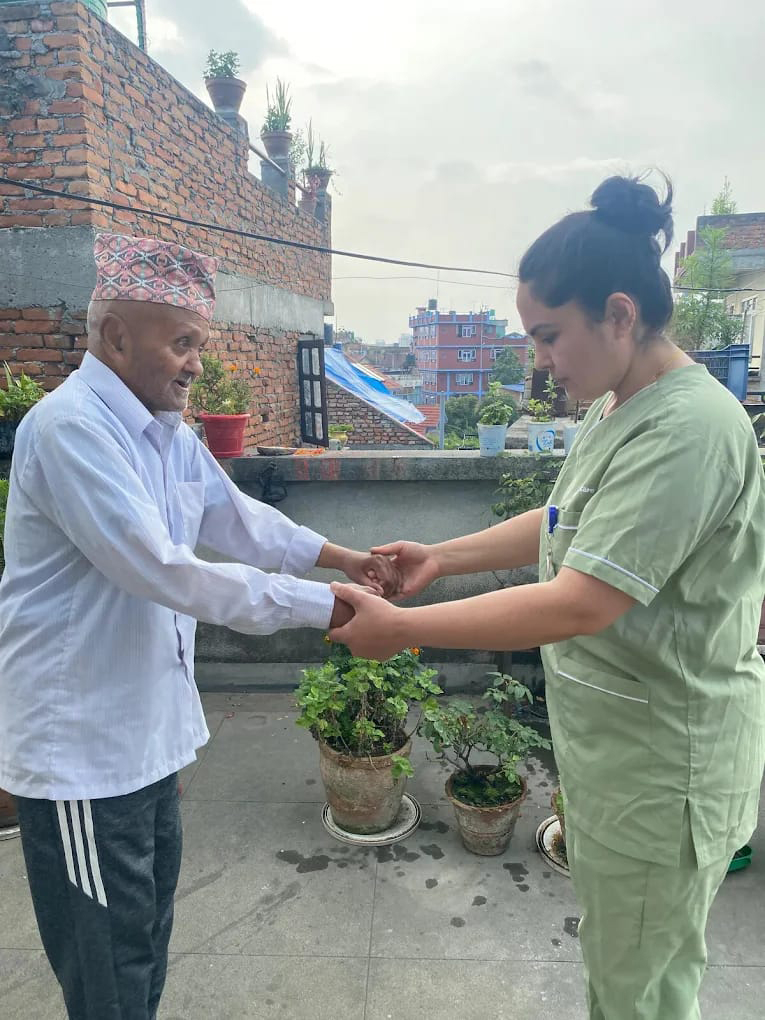
As migration and urban work patterns strain traditional family care, telemedicine and home-care startups are filling the gaps, even as the fast-growing sector remains largely unregulated. Caregiving, long seen as a family responsibility carried mainly by women, is increasingly emerging as a formal business and source of employment, driven by digital platforms. Photo: Courtesy of Aashirbad Care
Amit and Maina, a couple from Kirtipur now living in Portugal for work, were constantly anxious about Amit’s elderly father, who lives alone in Kathmandu with diabetes and high blood pressure. Maina says Amit worried about his father’s blood pressure, whether he took his medicines on time and whether he could keep track of his multiple prescriptions. Now, regular updates on his father’s health reach Amit directly on his phone.
The caregiver uses a mobile app to log his blood pressure, heart rate, body temperature and medication schedule. Amit can access these updates in real time through an online dashboard, giving him a clear picture of his father’s health.
The Post is using pseudonyms to identify caregiving providers and their clients for privacy reasons.
Healthcare in Nepal is increasingly being delivered through technology-driven services and businesses. Two models are gaining ground: telemedicine, which allows patients to consult specialist doctors through online video calls, and home care, which brings doctors, nurses and trained caregivers to patients’ homes.
Based in Chhauni, Kathmandu, Srijana Basnet works as a caregiver for an elderly couple in Lalitpur. With her husband in Europe and her son studying in Kathmandu, she had previously run a clothing shop. After the business ran into losses during the Covid pandemic, she sold it and enrolled in a three-month international caregiver training course. She now works with Aashirbad Care, providing home-based care to the elderly couple. She works a 13-hour night shift, from 7pm to 8am, providing round-the-clock support to an 82-year-old man with depression.
“I had only looked after my own family before,” Basnet says. “I was nervous about caring for someone else’s, but the family’s support helped me settle into the job. It has also given me financial independence.”
Basnet’s nights often involve keeping the patient company, reassuring him, administering medication and helping him move around. “You grow attached to people you care for,” she says. “We too will grow old and may need the same support, so I look after them as I would my own parents.” Paid Rs90 an hour, Basnet says caregivers deserve better pay and a safe, respectful working environment. “Caring for people with conditions such as depression and dementia, especially through the night, is demanding work,” she says.
When her father was admitted to Bir Hospital, Pragya struggled to find someone to stay with him overnight. A chartered accountant, she lives with her mother, while her brother is in Australia. She eventually booked a hospital attendant through Aashirbad Care. “I was initially uncomfortable leaving my father with someone we did not know,” she says. “My mother stayed with him on the first night. But the caregiver was kind and professional, and my father soon felt comfortable. Now, the caregiver stays with him at night while my mother takes over during the day.” Pragya’s father has been paralysed from the waist down for 13 years.
A growing number of digital platforms and mobile apps, including Hamro Patro, Aashirbad Care, Health at Home, NepMeds and Mero Doctor, are offering healthcare-related services in Nepal. Health at Home, a digital healthcare platform, was established in 2009.
Caregiving, long seen as a family responsibility carried mainly by women, is increasingly emerging as a formal business and source of employment, driven by digital platforms. These services are also helping families care for elderly parents who remain in Nepal after their children move abroad for work or study. Startups now offer everything from home visits by healthcare workers to online consultations with specialist doctors, expanding access to care beyond hospitals and clinics.
Aashirbad Care was founded by Rohit Rawat, a doctor at Patan Academy of Health Sciences, and his colleagues. It currently has 50 trained caregivers who provide home care in four-, eight-, and 12-hour shifts. Using a mobile app, caregivers record patients’ vital signs and update their health records, while a GPS-enabled clock-in system tracks their attendance. Rawat says demand has risen sharply for services such as collecting blood, stool and urine samples from elderly people living in apartments and providing hospital attendants to stay with patients during admission.
Most bookings, he says, come from Nepalis living in the United States, Australia, Dubai and other Gulf countries who arrange care for their parents in Kathmandu. Rawat says Aashirbad Care is registered with the Office of the Company Registrar and the relevant ward office and holds a permanent account number. Seeing untapped potential in Nepal’s growing silver economy, the company plans to set up its own caregiver training centre. Aashirbad Care charges Rs100 an hour for basic care and up to Rs150 for specialised services such as tube feeding and dementia care.
Launched during the Covid-19 pandemic in 2021, Hamro Patro’s healthcare service has also gained traction. More than 600 specialist doctors registered with the Nepal Medical Council are affiliated with the platform, says Sujata Gautam, its head of health services. According to Gautam, an average of 100 patients a day and 40,000 to 45,000 patients a month consult doctors directly through video calls on the platform. Nepali migrant workers in South Korea, Malaysia and the Gulf also use the platform to consult doctors in Nepal, often to avoid language barriers and the high cost of healthcare abroad.
The platform also offers encrypted consultations, allowing users to seek advice without disclosing their identities. This is particularly useful for sensitive health issues that many people are reluctant to discuss openly in Nepal, including mental health conditions, sexually transmitted infections and skin problems, Gautam says. Hamro Patro also allows people to connect family members living abroad, parents in villages and doctors in urban centres through a single video conference call.
Gautam points to a pharmacy owner in Jajarkot who uses Hamro Patro’s video-call service to connect patients with doctors in the absence of local medical professionals. “We work with 30 to 40 pharmacies in Kathmandu to arrange medicine delivery,” she says. “We are also developing a similar network with pharmacies in rural areas, allowing them to connect patients with doctors through video consultations.” Group consultations cost Rs750, while individual doctors set their own fees, ranging from Rs500 to Rs2,500. Doctors receive 70 percent of each consultation fee, with the platform retaining the remaining 30 percent, Gautam says.
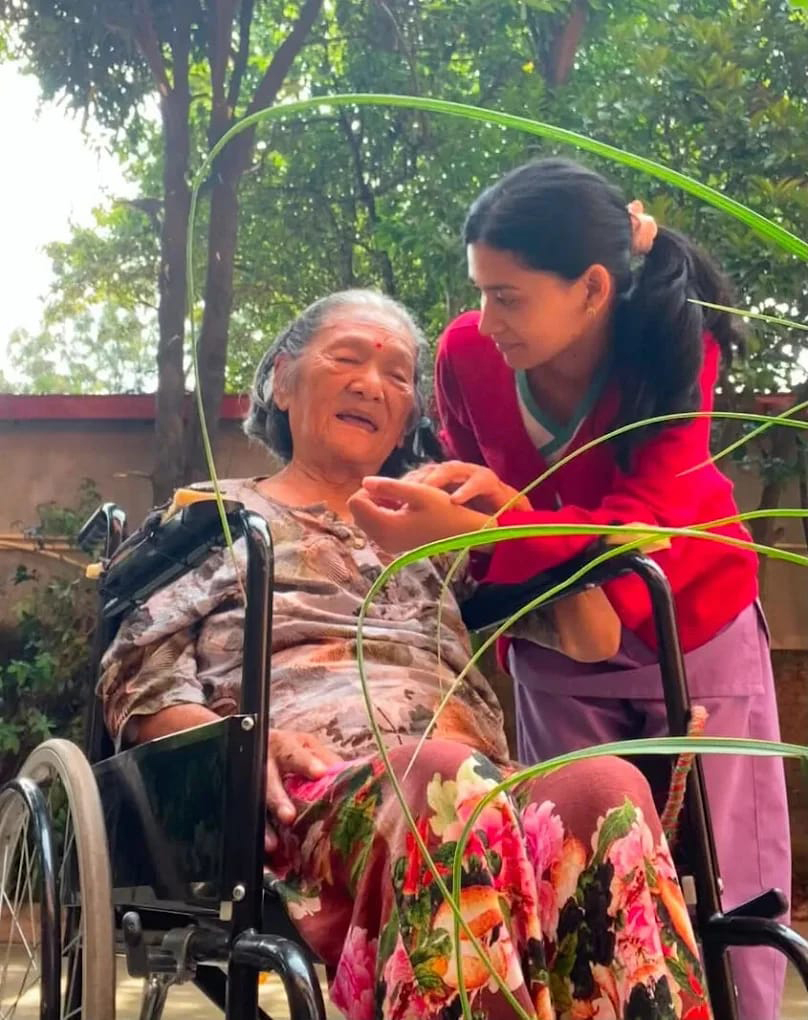
A caregiver assists a patient during a home-care visit in Nepal. Photo: Courtesy of Aashirbad Care
As working-age people increasingly seek professional and reliable care online, apps such as Mero Doctor and Doctors on Call have also emerged. Hospitals, too, have begun developing their own digital platforms. Health at Home, founded in 2009 by cardiac surgeon Bishal Dhakal, provides doctor consultations, nursing care, sample collection for laboratory tests, physiotherapy and other medical services at home, particularly for older people and patients with chronic conditions. Dhakal describes it as a “hybrid-tech” platform. Users can book appointments through the app and consult doctors by video call for medical advice and preliminary assessments.
Local governments are also stepping in. Kathmandu Metropolitan City, for instance, is working to become a “caring city” through free legal aid, self-defence training for girls and multipurpose care centres, says Acting Mayor Sunita Dangol. Drawing on her mother’s experience, Dangol says the physical and psychological challenges of menopause often go unaddressed, with women receiving little guidance from either society or medical professionals. “Women go through considerable physical and mental distress during menopause, but even doctors do not always explain what to expect,” she says. “That is why we have launched a menopause awareness campaign.”
With mobile connectivity expanding, Kathmandu Metropolitan City has prioritised e-health and telehealth in its budget, Dangol says. The city is also open to partnering with private health-tech companies, but clear regulations are needed to govern digital healthcare services, she adds. In partnership with UN Women Nepal, the city is piloting an ‘Integrated Care Delivery Model’ in ward 6, with operating guidelines and a financing plan already in place. The initiative is part of the ‘Empowered Women, Prosperous Nepal’ project, which aims to make Kathmandu a caring city, Dangol says.
Patricia Fernandez-Pacheco, country representative for UN Women Nepal, writes that migration, urbanisation and an ageing population are reshaping the family structures that have traditionally provided care.
In an opinion article published in The Kathmandu Post, ‘Why investing in care is key to our shared future’, Fernandez-Pacheco notes that more than 2.19 million Nepalis were living abroad, over 80 percent of them men, according to the 2021 census. With more elderly people needing support and fewer family members available to provide it, she argues, families alone can no longer meet the growing demand for care. She argues that investment in care systems is an economic imperative, not merely a social policy choice. She points to the potential of digital platforms to connect families with support services and ease the burden on caregivers. “While technology is not a substitute for human care, it is helping ease some of the time and mental pressures caregivers face every day,” she writes.
Dr Samir Kumar Adhikari, assistant spokesperson at the Ministry of Health and Food Safety, says digital technology and app-based healthcare services offer a practical and convenient option for elderly people whose children have moved abroad for work or study. But Nepal has yet to introduce laws, working procedures or an institutional framework to register and regulate online pharmacies, digital home-care businesses and startups that recruit and deploy caregivers, he says.
Although the government has issued procedures for telemedicine consultations between hospitals operated by public institutions, there is no clear policy framework governing private digital health apps or home-care services, Adhikari says.
“We support the use of technology, but strong regulation and oversight are needed to prevent misuse in the online sale of medicines, nutraceuticals and other health products, as well as in caregiver services,” he says. “Protecting patient data and ensuring service quality under the Privacy Act are equally important, particularly when apps collect sensitive information such as vital signs, GPS locations, medical histories and video recordings.”
At current rates, an eight-hour home-care shift through platforms such as Aashirbad Care costs at least Rs800 a day, or around Rs24,000 a month. Such services remain largely accessible to relatively well-off urban middle-class families and Nepalis working abroad who can afford to pay for their parents’ care.
The model used by platforms such as Hamro Patro also raises potential conflicts of interest. By linking patients to doctors through local pharmacies and facilitating medicine purchases from those same outlets, it risks creating incentives for pharmacies to prioritise sales over patients’ needs. Health ministry officials say clear, transparent regulation is needed to protect consumers and ensure quality of care.
Digital health platforms and startups currently register as private limited companies with the Office of the Company Registrar, listing activities such as digital healthcare, care coordination and technology services in their founding documents. They then register with the relevant local ward office and obtain a permanent account number before starting operations. But no dedicated regulator sets standards or oversees online medical consultations, home-care services, caregiver recruitment or service fees.
Bharat Bhattarai, director general at the Department of Drug Administration, says gaps in existing laws and institutional capacity have made it difficult to bring online healthcare and pharmaceutical services under effective regulatory oversight.
The existing Drugs Act has no clear provisions governing online services. Bhattarai says the department has included relevant provisions in a draft of a new bill submitted to the Ministry of Health. “We are aware of the growth of online healthcare and medicine services and are exploring ways to bring them under regulatory oversight to prevent malpractice,” he says. “Despite constraints in staffing and institutional capacity, we are preparing guidelines and procedures to govern these services.”
Shambhu Sah, head of the department’s inspection division, says the growing habit of ordering medicines online has made it necessary both to facilitate and regulate the practice.
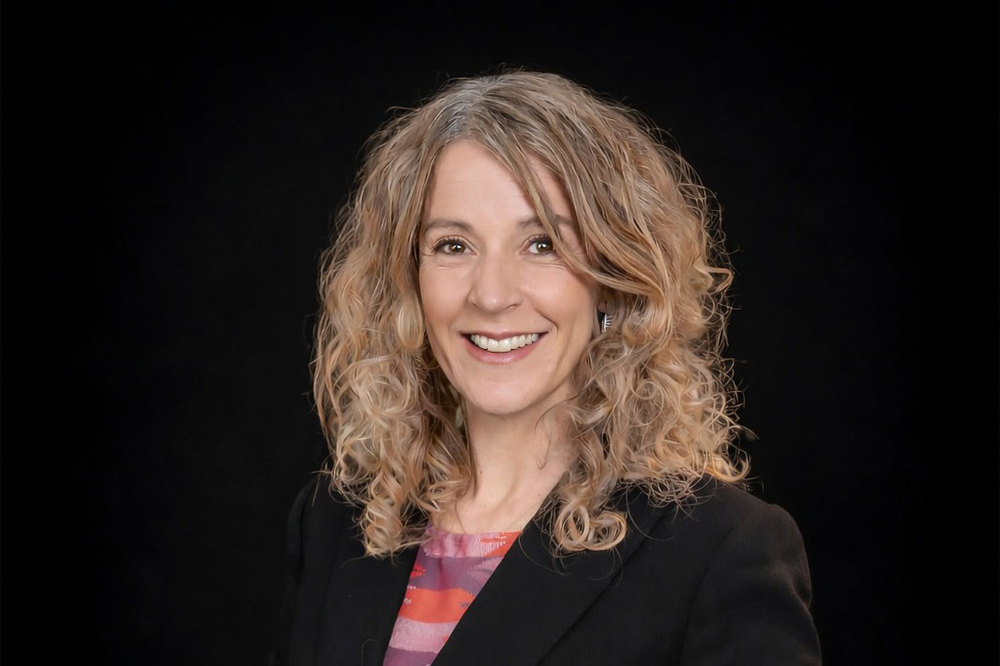
Patricia Fernández-Pacheco, UN Women Country Representative to Nepal. Post File Photo
As the existing law does not cover online sales, the department is seeking to amend the legislation, which is nearly 48 years old, he says. A draft of the Medical and Health Materials Act 2026, submitted to the ministry, includes a provision to introduce guidelines governing online sales and distribution. “Recently, we found unauthorised advertisements and sales of medicinal products and oils on Daraz,” Sah says. “We called in the platform’s legal representative and directed the company to put in place a system to immediately identify and remove such listings.”
Section 19 of the existing Drugs Act prohibits the promotion or advertisement of medicines without permission from the Department of Drug Administration. The department says technology-based medical consultations and support services are positive developments, but it plans to introduce clear guidelines and standards to prevent misuse once the draft legislation is approved.
Regulatory responsibilities are spread across several government agencies. The Department of Drug Administration oversees medicines and medical products, including their sale and distribution; the Department of Health Services is responsible for preventive, curative and promotive healthcare; the National Public Health Laboratory licenses and monitors medical laboratories; and district health offices oversee the licensing and regulation of clinics.
Digital healthcare services and platforms, however, have yet to come under the regulatory oversight of any of these bodies.
The dangers of inadequate data protection have already emerged elsewhere. Flo, one of the world’s most widely used period-tracking apps, was found to have shared sensitive information about users’ menstrual cycles, pregnancy plans and sexual health with Facebook, Google and other marketing and analytics firms.
In 2021, the US Federal Trade Commissiontook action against Flo Health, directing the company not to share users’ health data with third parties and to undergo an independent privacy audit.
A similar case involved BetterHelp, an online mental health counselling service. The company was found to have shared customers’ email addresses, IP addresses and sensitive information from mental health questionnaires with Facebook, Snapchat and Pinterest for advertising purposes. In 2023, the FTC ordered the company to pay $7.8 million, to be refunded to affected users.
Investigations have found that many free health apps embed third-party tracking tools, such as pixels, that collect and share users’ personal information. Details entered into an app, such as the start of a menstrual cycle or the results of a pregnancy test, can be automatically transmitted to advertising companies. Social media platforms can then use this data to target users with ads for medicines, contraceptives and other health products.
The Department of Drug Administration says it has proposed amendments to existing laws to bring digital health platforms and services under regulatory oversight and prevent similar abuses in Nepal.




 14.12°C Kathmandu