The man who took Nepal to Lord’s now wants a British PM in Nepal
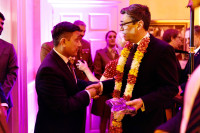
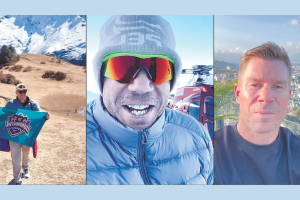
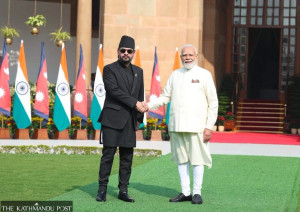
Prashanta Kunwar pitched a Nepal match at the home of cricket when few would listen. Now he has asked a British prime minister to visit Nepal. Kunwar (left) invited British prime minister Andy Burnham (right) to visit Nepal during a brief exchange amid the Diwali reception hosted by 10 Downing Street on October 27. Photo: Courtesy of 10 Downing Street
When Prashanta Kunwar first walked into 10 Downing Street for a Diwali event in 2015, the only other Nepali he could find in the room was a British Gurkha priest.
Eleven years on, he was back, now with a bigger goal. On October 27, as Prime Minister Andy Burnham hosted hisfirst Diwali reception, Kunwar urged him to become the first British prime minister to visit Nepal in the history of the two centuries of cordial bilateral relations.
“You be the first,” he said.
Burnham smiled. But he did not say yes.
The British embassy in Kathmandu has been here before. “If I had a pound for every time I was asked about the probability of the British PM’s visit to Nepal, I would be a wealthy man,” Ambassador Rob Fenn told the Post. “We tried several times to make this happen.”
There is no concrete plan, he said, though British VIPs, including the Duke and Duchess of Edinburgh in 2025, keep coming.
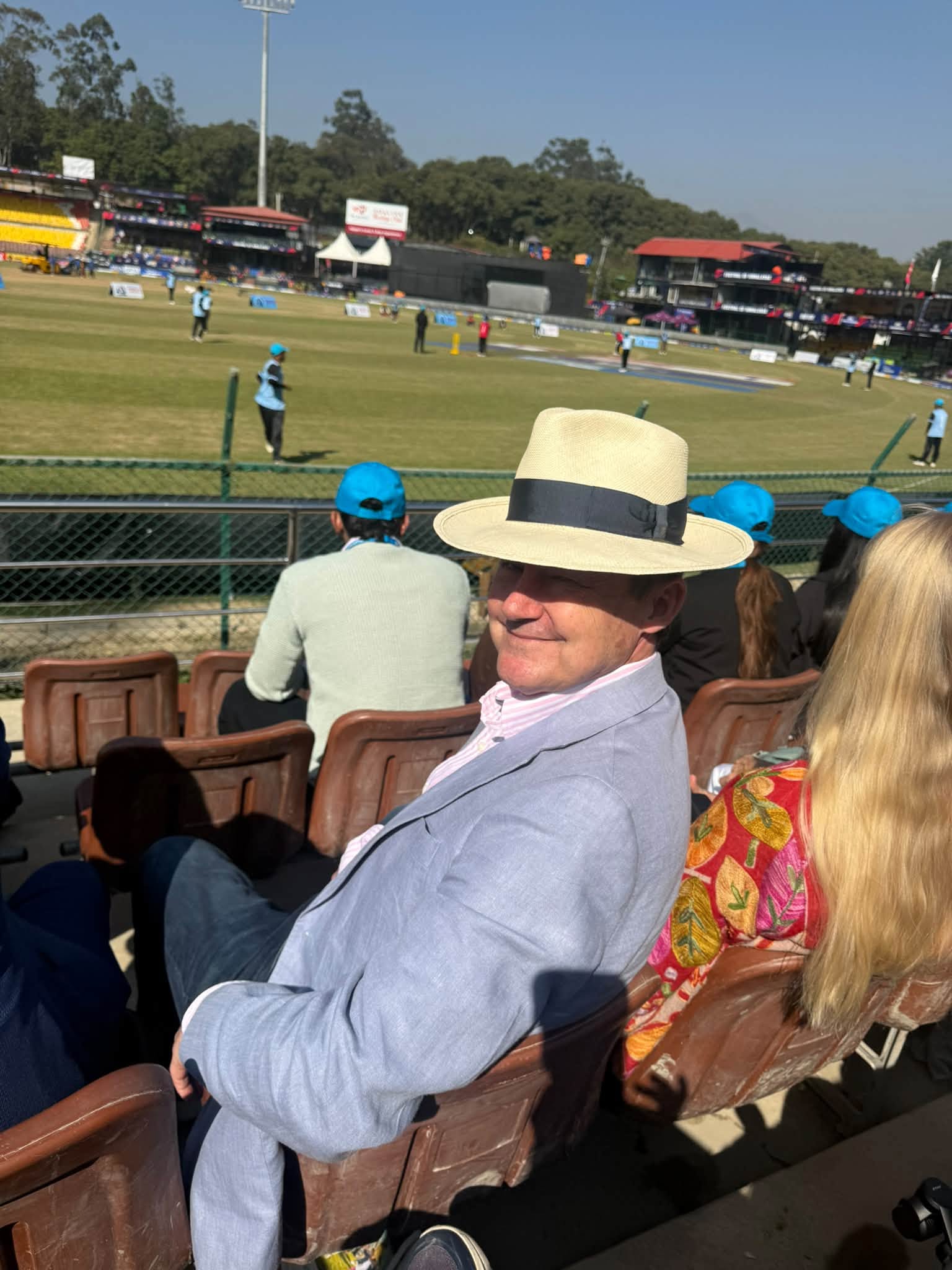
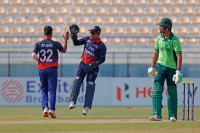
British Ambassador Rob Fenn, who is known for his love of cricket, watches a match at the TU Cricket Stadium on November 21. Photo: Courtesy of the British embassy in Nepal
It is a long shot for a man with no official role, in a room where the prime minister’s speech seemed to be catered to the majority of attendees—of Indian origin.
But Kunwar has form. By his account, and that of the secretary of the Cricket Association of Nepal, Paras Khadka, he was the one who first pitched a Nepal match at Lord’s, an idea that was rejected outright.
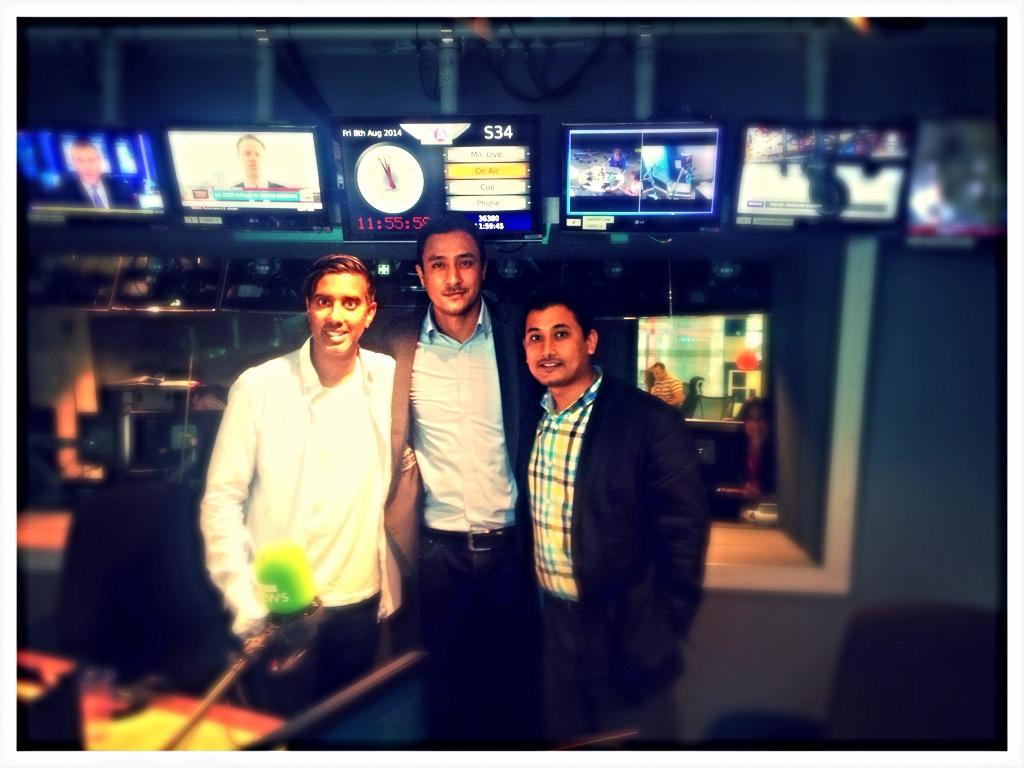
In this 2014 photo, Kunwar (right) and Khadka (centre) are pictured after talking with British TV and radio presenter Nihal Arthanayake at the BBC office in the UK. Photo: Courtesy of Prashanta Kunwar
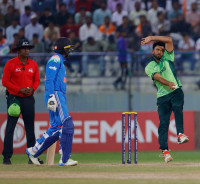
On Thursday, MCCannounced that Nepal will play Bangladesh in a T20 International there on June 3, 2027, as part of asix-match tour of England.
“Prashanta dai reached out to me in 2014, after the World Cup,” Khadka told the Post. “He has always had a great relationship with the team. In 2015, he was the one who initiated the talks to take Nepal to Lord’s, even before Nepal earned ODI status. In the last 12 years, from that first match, he has coordinated and supported the team there.”
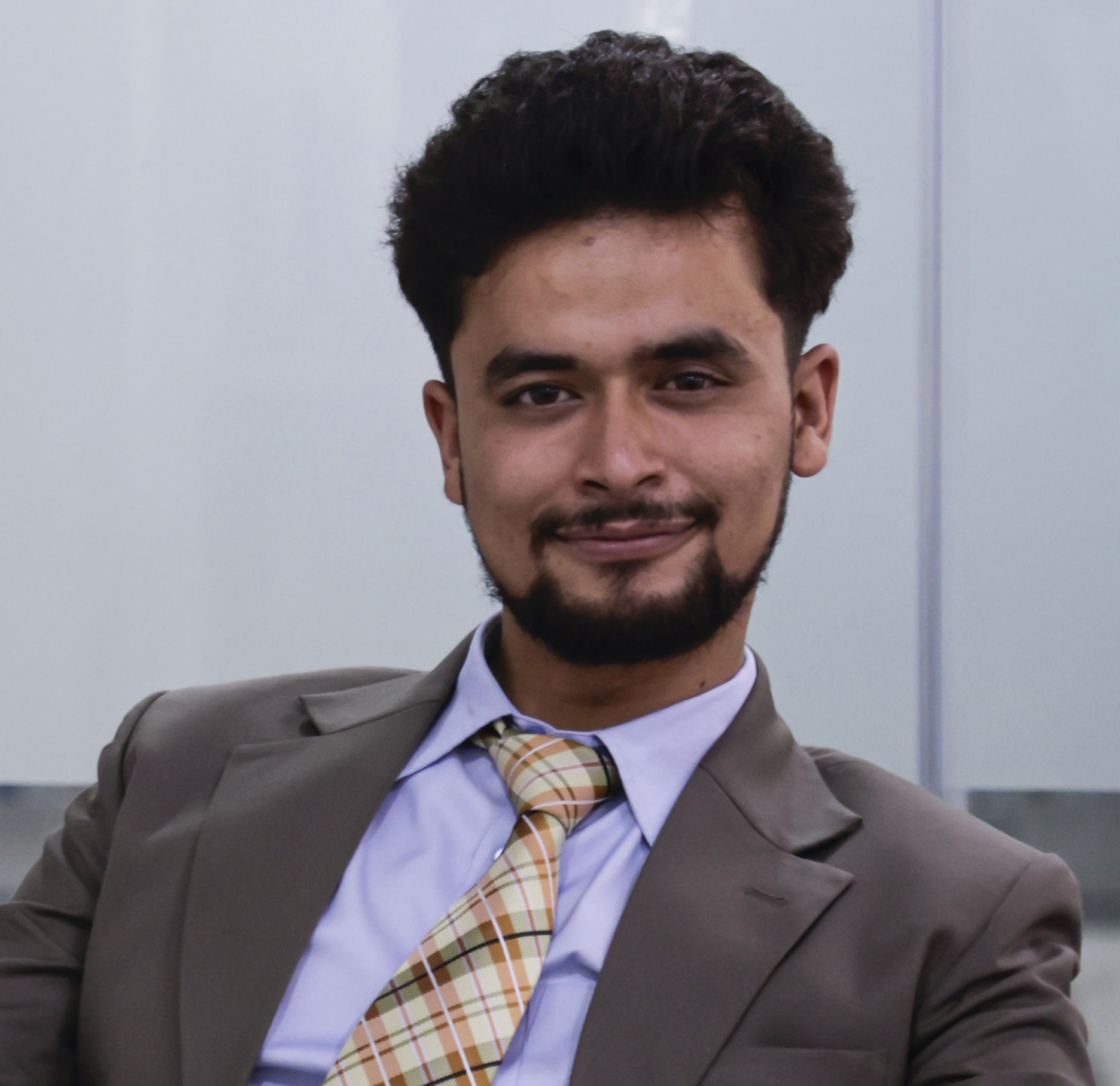
Kunwar, in his early 40s, chairs Nepal Connect, a London-based organisation that works to deepen UK-Nepal ties, support the Nepali diaspora in Britain and encourage business links. He is also a government adviser in the UK and lives in London with his wife and two children.
His route to Blighty was a familiar one for his generation back in Nepal. Born in Pokhara, he reminisces about spending his early childhood by Phewa Lake, then studying for 11 years in India, four in Kurseong and seven in Dehradun. By his late teens, he says, he left for the UK.
“Everyone had gone to America or Australia. Someone was sitting TOEFL, someone else IELTS,” he told the Post.
That was 25 years ago.
His first Downing Street Diwali reception was an education in being outnumbered. Guests of Indian origin filled the room. Nepalis, meanwhile, barely registered. He set himself a target of getting in 10 to 12 Nepalis at the next one, and by 2017-18, he says, he had got eight to ten in.
Entry to the function is not determined by lobbying. The British PM’s office runs its own due diligence, and Kunwar says he usually puts forward the names of others, community workers whose motives he trusts, rather than his own.
“People have to know there are Nepalis here,” he said.
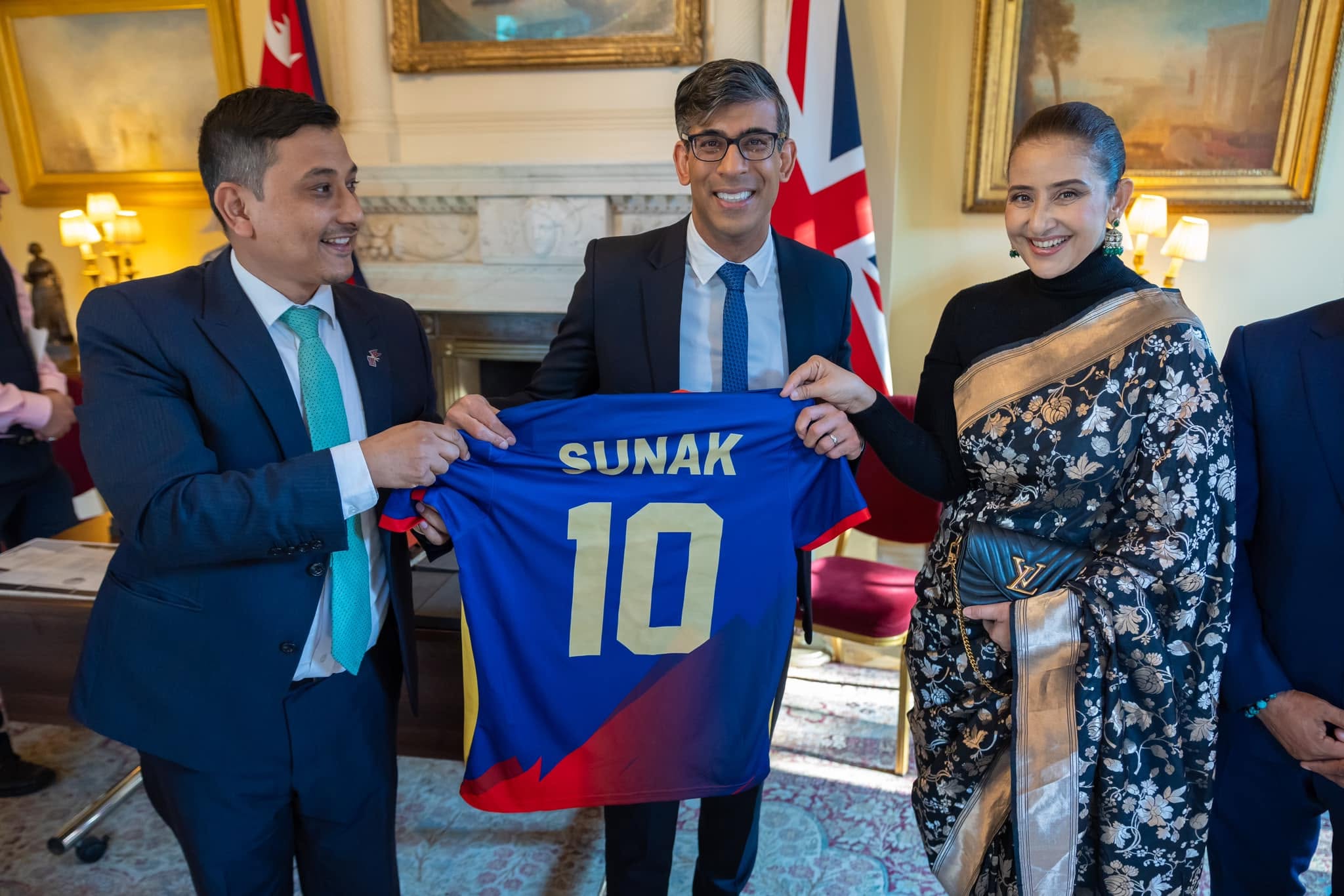
That approach led to May 2024, when British Prime Minister Rishi Sunak hosted what was described as thefirst reception at No 10 for the UK’s Nepali community, marking a century of the UK-Nepal friendship treaty. Kunwar says he helped shape the idea.
Kunwar (left) and bollywood actress Manisha Koirala (right) gift then British PM Rishi Sunak (centre) with Nepali National Cricket Team's jersey during an event celebrating 100 years of Nepal-UK friendship treaty in 10 Downing Street on May 20, 2024. Photo: Courtesy of Prashanta Kunwar
The embassy sees value in such networks. The Nepali community in the UK “is an important bridge between the countries,” Ambassador Fenn told the Post, helping “ensure that issues affecting Nepal remain part of conversations in the UK.”
At this year’s reception, Kunwar says, he used his minutes with Burnham for two points. First, he thanked the PM for the UK’s quick relief after Nepal’s recent flash floods. Burnham had committed £5 million in humanitarian aid within hours of the Bhotekoshi flood. “Nepal has been there for Britain in our hour of need, and we will be there for Nepal in its hour of need,” Fenn quoted him as saying.
Despite his effort to play down the invite, it was not Kunwar’s first appeal to Whitehall. In May 2021, with Nepal’s second Covid-19 wave overwhelming hospitals, he wrote to the British government on May 21, urging it to send urgent medical supplies. A week later, a plane from RAF Brize Norton landed in Kathmandu with 260 ventilators, protective equipment and two medical experts, worth about £550,000.
Second came the invitation. No British prime minister has made the trip in more than two centuries of ties, Kunwar told Burnham. He framed the pitch around climate: Britain is among the first G7 nations to set a net-zero target, while Nepal bears the brunt of a warming Himalaya. Burnham, he says, acknowledged the link.
Khadka was cautious but warm. “That is primarily up to the governments of Nepal and the UK,” he said. “But sport is soft diplomatic power. It brings countries together. Why not? It would be good for the bilateral relationship, and we look forward to seeing it happen.”
Cricket adds sunma sugandha, said Fenn, using the Nepali saying about fragrance on gold. The relationship is already “rare and beautiful”, he said, but it is “people-to-people connections” that give it emotional content.
Kunwar is careful about his role. “I am not an official and cannot lobby on Nepal’s behalf,” he told the Post. His work, he says, is to raise the issue where he can. Later, he hopes, British MPs can be mobilised, and the Nepali embassy in the UK and community groups can take it further.
The cricket route, he says, is the one that has worked before.
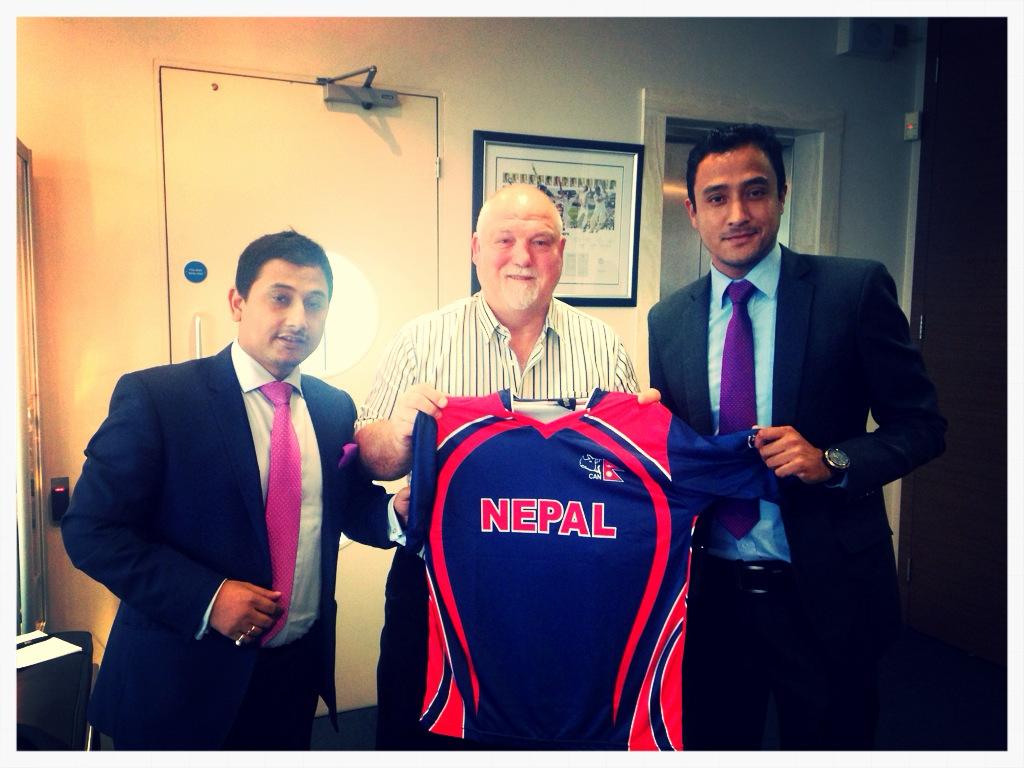
In this 2014 photo, Kunwar (left) and Khadka (right) present a Nepali National Cricket Team jersey to Mike Gatting, then MCC President, at the England Cricket Board Office. Photo: Courtesy of Prashanta Kunwar
His first pitch for a Nepal match at Lord’s was turned down flat. Over the following years, he worked with MCC officials, the All-Party Parliamentary Group, the Foreign Office, the Nepali embassy and the Brigade of Gurkhas. Nepalbeat MCC by 41 runs on July 19, 2016, before nearly 5,000 supporters.
Khadka, whom Kunwar first helped bring to London in 2014, later played for MCC in the UAE. Naresh Budhayer and Rajesh Pulami Magar had earlier played in MCC’s young cricketers’ programme. Nepalreturned to Lord’s in 2018 for a triangular T20 with MCC and the Netherlands. A 2020 plan was lost to the pandemic.
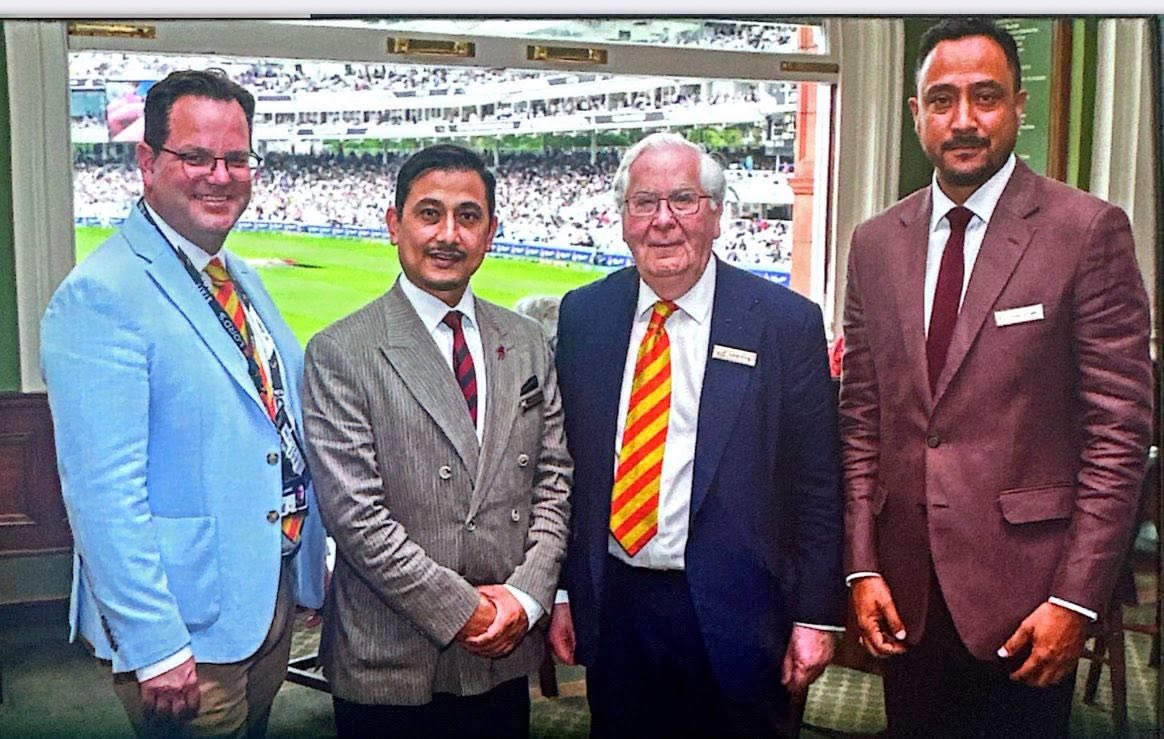
From left: Rob Lynch, director of cricket and operations of MCC; Kunwar; then MCC preisdent Lord Mervyn King; and CAN secretary Paras Khadka at the final of World Test Championship at Lord's in 2025. Kunwar was invited to the finals by Lord King. Photo: Courtesy of Prashanta Kunwar
“He was with us when we first met Rob Lynch,” Khadka said. Lynch, MCC’s director of cricket and operations, and chief executive Rob Lawson recently visited Nepal, and Khadka says Kunwar was involved in bringing them.
“He’s always behind the team, putting in the effort. He has always been there.”
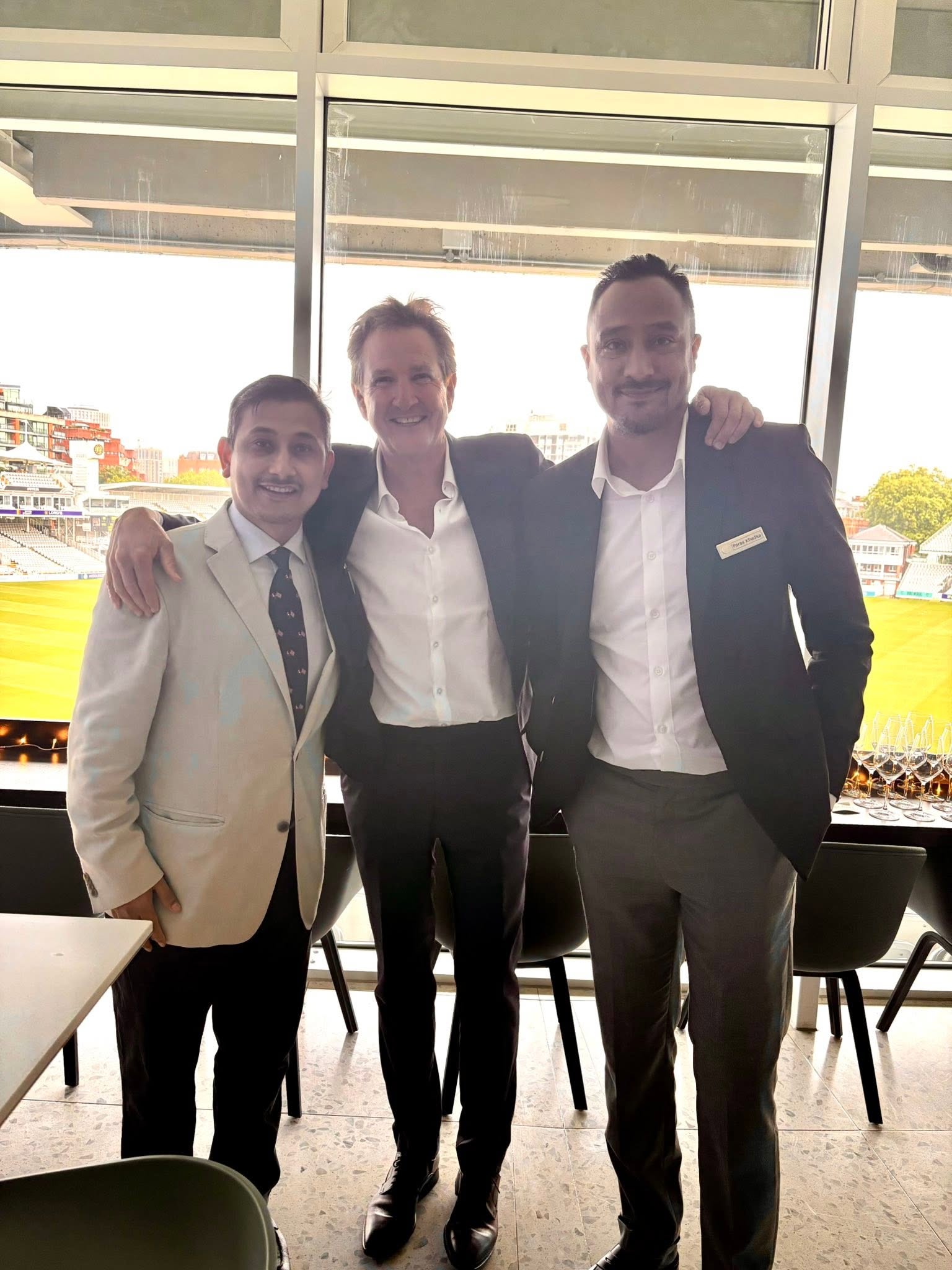
Kunwar (left) and Paras Khadka (right) with MCC president Mark Nicholas (centre), who is popularly known as the voice of cricket, at the 2025 World Cricket Connects, an invitation-only global cricket forum hosted and funded by MCC. Photo: Courtesy of Prashanta Kunwar
An England tour of Nepal, expected next year or the year after, is not his doing, Kunwar says. According to him, that came through Khadka, and the cricketing authorities after Nepalnearly beat England at the T20 World Cup in February.
Khadka, meanwhile, begs to differ.
“He has always played a supportive lead in fostering Nepal-UK cricketing ties. He’s still playing one.”




 15.12°C Kathmandu