Latest from Biken K Dawadi
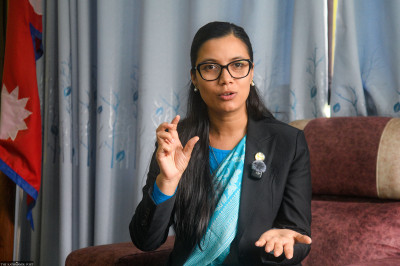
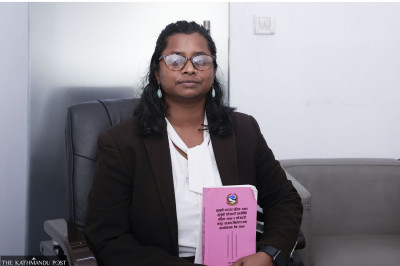
Minister Geeta Chaudhary on the Jeetpur-Simara case, the government’s response, and what she believes needs to change
By Biken K Dawadi A cabinet minister’s unvarnished look at why out-of-court settlements and a lack of economic rights continue to fuel Nepal’s cycle of violence.
What should Balendra Shah tell the world in New York?
By Biken K Dawadi Ahead of the prime minister’s first UN General Assembly address, experts, leaders and activists share how Nepal should pitch its climate crisis to the world.
Explainer: Why and how EVs catch fire
By Biken K Dawadi A fatal electric vehicle fire in Bharatpur has triggered anxiety across Nepal, prompting urgent questions about whether the tragedy stems from battery fault or external factors. TKP breaks down EV fires in 11 questions.
Former Reconstruction Authority chief Govinda Raj Pokharel on the urgent need for a permanent, powerful disaster ministry
By Biken K Dawadi Warning against compounding risks from clustered dams and melting glaciers, Pokharel calls for strict infrastructure codes, cross-border early warning systems with China and India, and a rapid pivot toward high-altitude Himalayan solar energy.
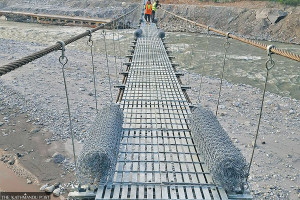
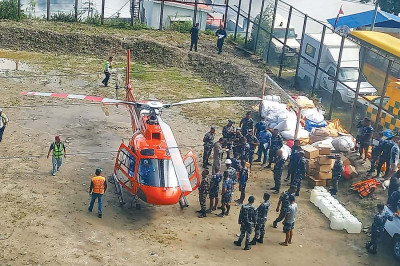
The case for transparency in Nepal flood rescue flights
By Biken K Dawadi When the flood washed away the roads, helicopters were the only way out. So why were politicians and camera crews hogging them?
Intersectional feminist Anjali Sah on Nepal’s pervasive rape culture and police apathy
By Biken K Dawadi In an interview with The Post, Sah argues that this systemic failure is part of a broader, deep-seated institutional and cultural crisis across the country.
Rakshya Bam on whether the Blaen government is genuinely fulfilling the democratic mandate or veering dangerously off course
By Biken K Dawadi Social Activist Rakshya Bam discusses the state of the nation, dissecting the government’s response to recent communal clashes in Tarai-Madhesh, the systemic shortcomings in police riot control, and a perceived absence of empathy in urban governance.
Q&A: Fluid organisational structures were used to propagate religious hate
By Biken K Dawadi Political scientist and commentator Bhaskar Gautam says the rapid creation and dissolution of religious groups, a tactic likely learned from contemporary Indian practices, makes it difficult to track their affiliations and funding.
Is Nepal repeating India’s mistake?
By Biken K Dawadi If Nepal is to continue enforcing silence and digital intimidation, the final reckoning will come from the streets.
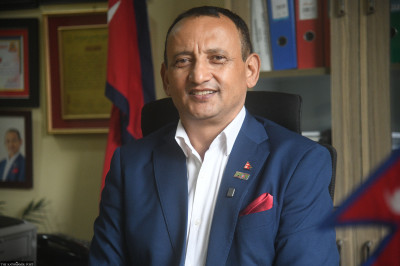
Q&A: Generating Rs29.32 billion from power exports is a remarkable national milestone
By Biken K Dawadi & Seema Tamang Newly-elected IPPAN President Mohan Kumar Dangi emphasises the necessity of power trading rights for private developers, the causes behind the PPA backlog and the strategic roadmaps required to transform Nepal’s energy sector.
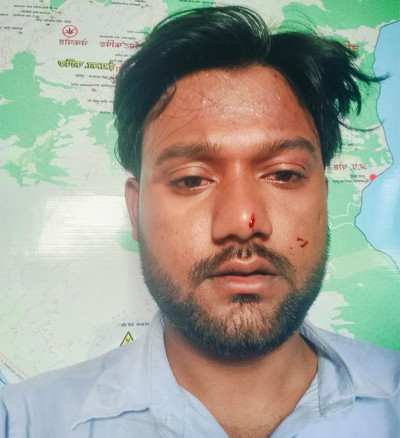
Q&A: The state resorted to physical violence to silence us
By Biken K Dawadi Majid Ansari details the events surrounding his violent arrest, the systemic failures within the security apparatus, and his refusal to be silenced by state-sponsored intimidation.
Q&A: Impunity and nepotism remain major issues in the current government
By Biken K Dawadi Our current state respects the property of the higher classes but ignores the rights of daily wage workers.
Three youth activists detained from Kirtipur holding centre
By Biken K Dawadi Eyewitnesses dispute police claims of ‘obstructing rescue operations’, pointing instead to excessive force and political bias.
Who is accountable for Ganesh Nepali’s death?
By Biken K Dawadi His tragedy is not merely a localised incident of a fine gone wrong. It is a symptom of a deeper, more systemic rot in our urban governance.
Q&A: Youths must understand that politics demands time and energy
By Biken K Dawadi Law Minister Sobita Gautam takes aim at the judiciary’s ‘inverted pyramid’ and announces plans to reclaim state policy from external consultants.




 14.4°C Kathmandu






.PNG&w=400&height=267)