UML does not have a culture of generational power transfer
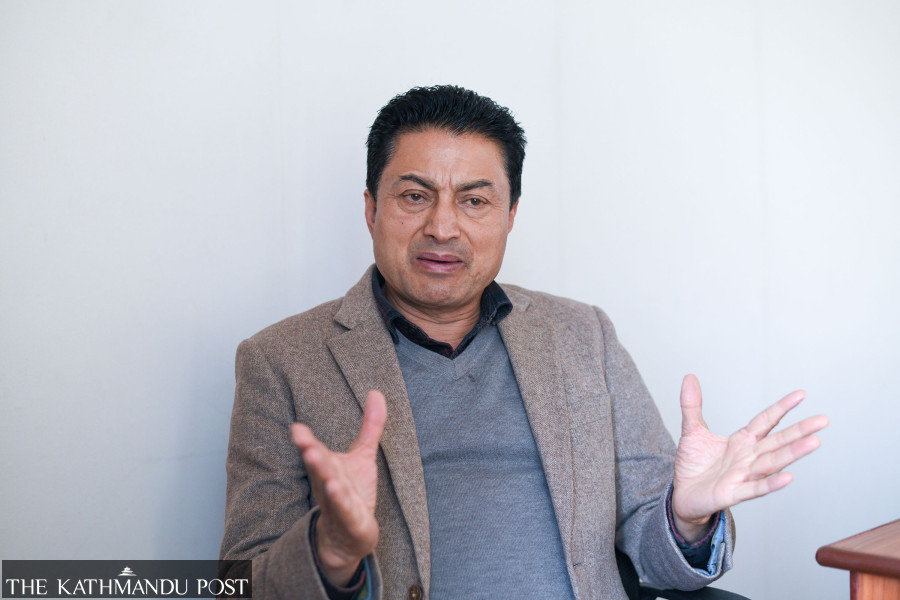
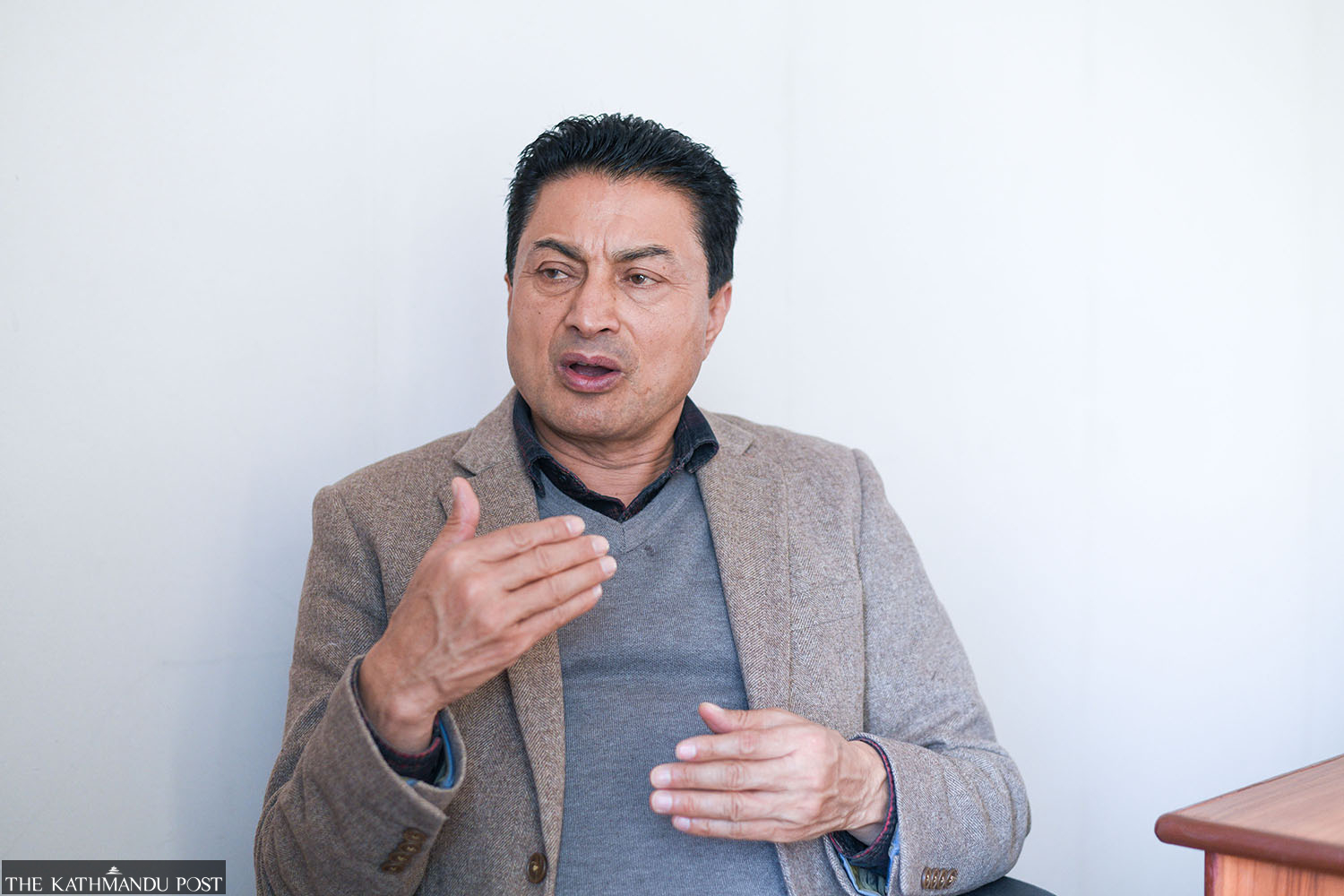
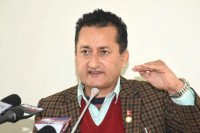
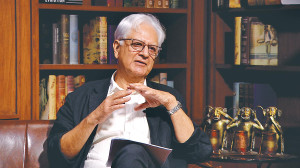
Every 10 years, we should review the constitution in order to reflect the aspirations of the people. However, the changes must not be forced from the streets.Gokarna Bista, UML vice-chair Deepak KC/TKP
Three-time prime minister KP Sharma Oli was re-elected to the post of CPN-UML’s chair through the party’s 11th general convention last week. Of the 19 officebearers voted in by more than 2,200 convention delegates, 17 were from Oli’s panel. Only Gokarna Bista (vice-chair) and Yogesh Bhattarai (deputy general secretary) were elected from the dissident panel led by Ishwar Pokhrel. Separately, the party is still hesitant to internalise the spirit of the Gen Z movement. The Post’s Biken K Dawadi sat down with newly-elected UML vice-chair Bista to discuss the result of the general convention, shortcomings in the convention delegates selection process, generational power transfer in the party, UML’s stance on upcoming elections and more.
What does the result of the general convention say about the UML?
We have tried to institutionalise democratic practices in our internal politics by holding the general convention. The results have shown that convention delegates have a preference for collective leadership. The primary message is that the cadres and representatives are sovereign; they have the power to choose the candidates they want. While the results regarding collective leadership did not entirely meet our expectations, we must accept this outcome as a part of the party’s internal democracy. Our goal now is to make the party more disciplined, systematic and united. We need both emotional and organisational unity to move forward.
Did the 11th general convention mark a significant departure from the undemocratic practices observed in the previous one in Sauraha?
It is difficult to say, but the environment for candidates to vie for positions and representatives to vote was certainly more favourable than at the Sauraha (Chitwan) convention. This convention worked to restore democratic practices. However, we still need to work on making these processes more transparent. We introduced our ideas during the convention to align our policies with current needs, and we must handle any lingering dissatisfaction by ensuring future competition is based on merit and justice. Considering these aspects, the 11th convention has marked the return of the democratic process and system in the party.
One of the sharpest criticisms of the UML has been the change in party statute—specifically, removing the 70-year age limit and two-term moratorium—to allow KP Oli to stay eligible for leadership. Does this suggest a lack of alternatives within the UML?
We participated in a competition where the representatives expressed their mandate, so we shouldn’t dwell too much on questioning that result now. However, we must make the method of selecting delegates more transparent and democratic. Any shortcoming identified during the convention must be evaluated diligently. As for the lack of alternatives, we had a panel of candidates separate from Oli’s panel, which shows that there are alternate candidates who believe that they can replace Oli and his followers.
Some critics claim that those close to Oli found it much easier to be selected as delegates. What were the ‘shortcomings’ in this selection process that you mentioned?
We received complaints from various districts about how convention delegates were chosen. Questions were raised in several districts and clusters. Some cadres were dissatisfied with decisions made by the organisation department. This raises the question of whether we failed to make the selection method robust enough. In future conventions, we must institutionalise a system where cadres independently choose their representatives. Without a transparent evaluation system, capable and honest people with long backgrounds may fall behind while those close to leadership are rewarded. This does not help build a strong foundation among the people; we must review and correct these past mistakes.
Let’s talk about the youth. During the Gen Z protests, we saw placards featuring leaders like Deuba, Oli and Prachanda with the slogan ‘Never Again’. How does the party plan to address this Gen Z spirit, given the re-election of septuagenarian Oli?
We view these criticisms as a mantra for correcting our habits and policies. It is natural for the youth to want the country to move in a new direction. We have spent decades in parliamentary practice and government. We must now work harder on governance, anti-corruption and social justice. The youth want the government to play a role in their personal and social development, and we must address this by combining the experience of the elderly with the energy and talent of the young. We acknowledge there has been a gap between our actions and the psychology of the youth, and we must bridge that to win their trust.
Dee
On that note of generational transfer, many look to leaders like you and Yogesh Bhattarai to take the helm. Why is it so difficult for the younger generation to move into top positions like Chairman or General Secretary?
Currently, a culture of voluntary retirement to make way for the next generation is not established in our party, even with senior leaders like Asta Laxmi Shakya and Yubraj Gyawali recently taking voluntary retirement. In such a situation, the youth must establish themselves through competition and capability. We have to break the tradition where whoever reaches the top first stays there indefinitely. We must earn the trust of the cadres and the public by proving our excellence. Transparency and competition are the only paths to leadership transformation. We cannot expect the cadres and convention delegates to vote for us simply because we are younger than the top-rung leaders of the party.
The UML, especially under chair Oli, has repeatedly faced criticisms for sidelining the public's pressing issues. What do you have to say?
If that is happening anywhere, on any issue, we will correct our course, both inside and outside the party. We need to create an environment where people can raise questions about our work, policy and ideologies. We need suggestions and questions from the youth. The UML is not a party that runs away from suggestions and questions of the general public, especially the youth. And the party should not start doing so now. We will not even get to correct ourselves if we turn a deaf ear to those questions and suggestions. But we must also separate bogus, irrelevant and malicious perennial questions from genuine ones. A party that cannot address genuine questions cannot lead the country.
Is the UML ready to contest the March elections?
On September 8 and 9, the protesting Gen Z-ers did not demand the dissolution of parliament; their agendas were good governance, anti-corruption and leadership change. They wanted an immediate removal of the social media ban. The dissolution of the House was unconstitutional, and our party has filed a case in the Supreme Court, which is currently sub-judice.
While the government talks about elections, it has not created the necessary environment. They are bypassing parties and failing to boost the morale of voters and security personnel. If the government wants to hold partisan elections, that is not democracy. It seems they want to blame the UML if elections do not happen.
The UML is not a party that runs away from the people’s mandate; we will face it. However, weapons lost in the past haven’t been returned, and criminals sentenced by courts are still at large. Despite the questions raised against us, we will answer them with facts and logic. If people do not choose us, we will accept that as part of a healthy democratic process.
You’ve described the Constitution as being in a comatose state. What then is the way forward in order to ensure the country’s political stability?
The Constitution is indeed wounded, and our democratic practices are under threat from various power centres seeking to create instability. To solve this, we need to move ahead with balance and restraint. I believe in the collaboration of left and democratic forces. Our history shows that we achieve great things when these forces work together, as in 1990 and 2006. We also need to review the constitution; it is not a static religious text like the Bible or the Gita, but a document that reflects the power balance during its drafting process. Every 10 years, we should review its implementation and amend it through constitutional means to reflect the aspirations of the people, and the youth in particular. However, changes must not come from the streets, as that leads to anarchy.
Does this leftist collaboration include the Maoist Centre and other communist parties that are currently in a unification drive?
While an immediate unification with the said political forces isn’t likely, we must cooperate on national issues since we have commonalities in our foundational ideologies.
Let’s change track a bit. Why does the UML need a militant outfit like the ‘Volunteer Force’?
Our main strength is the support of the people. We believe in peaceful movement, democracy and the rule of law. We do not believe in any form of weaponised squads or ‘dastas’. Our path is one of competition and periodic elections, with the goal of lifting people out of poverty. The People's Multi-Party Democracy has shown us the way. The UML is not a 10-metre sprinter; it is a long-distance traveller on a journey of millions of miles. We must remain a ‘young party’ by adapting our policies and styles to the modern era of ICT and new trends. We will move forward with new courage and enthusiasm to address today’s challenges. The ‘Volunteer Force’ was formed during a time of crisis in the party and across the country. But the party’s top leadership, mainly the chair, must be questioned about the relevance of such an organisation.




 20.85°C Kathmandu