



 18.94°C Kathmandu

Tue, Oct 13, 2026
Culture & Lifestyle
Consistency over intensity: Building a sustainable fitness routine
Many people think they need intense workouts to see results, but what really matters is exercising regularly.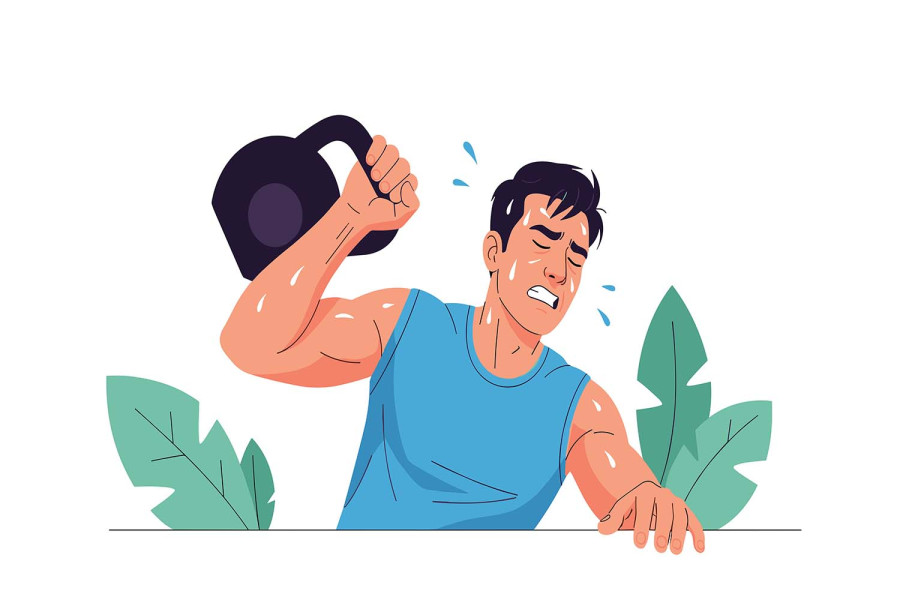
bookmark![]()
Fitness instructor Anjana Mali Kayestha Photo: Provided to the Post
Skanda Swar
Published at : March 12, 2026
Updated at : March 12, 2026 07:53
Kathmadnu
In an age where fitness advice floods social media feeds, many begin their health journeys with excitement and ambitious goals. Flashy exercise routines pop up everywhere, paired with rigid eating rules, and ‘before and after’ photos—all hinting at fast fixes. But after several days or weeks, that spark dims for countless people, and workouts are abandoned like half-read books.
Anjana Mali Kayestha is a certified fitness instructor and personal trainer. She has worked one-on-one with clients, focusing on practical ways to stay active. She has also been running Be Fit Fitness Studio since 2015, where she works with individuals across different ages and fitness levels.
Here, she discusses why many people struggle to maintain their fitness routines, the common mistakes beginners make, and why consistency, rather than intensity, is the true foundation of long-term health.
Many begin their fitness journey with intense workouts but stop after a short time. Why does this happen?
This often happens because people start with short-term goals. For example, they may want to lose weight quickly before a holiday or special event, so they try crash diets and intense workouts. While this may bring quick results, it is rarely sustainable.
Another reason is that people start exercising because of health or mobility problems, but without proper guidance or a structured plan, it becomes difficult to stay consistent. In many gyms, people also join group classes that may not align with their individual fitness levels, leading to frustration and a loss of motivation.
What should people keep in mind when starting a fitness routine?
The most important thing is commitment. People need to prioritise their health and understand that fitness requires consistency and a long-term goal mindset.
It is also helpful to seek professional guidance when starting out. A trainer can assess a person’s strength, endurance, mobility, and balance, and then create a structured and personalised programme. This helps ensure exercises are performed safely and goals are realistic.

How important is consistency compared to intensity in fitness?
Consistency is far more important than intensity when it comes to long-term fitness and health. Many people think they need extremely intense workouts to see results, but what really matters is exercising regularly. Even moderate exercise, when done consistently, can improve strength, endurance, and overall health. High-intensity workouts without consistency often lead to burnout or injury. A routine that people can maintain week after week is what brings lasting results.
What does a sustainable and balanced workout routine look like?
A sustainable routine is one that fits naturally into a person’s daily life. Choosing specific days and times to exercise and sticking to that schedule helps build long-term habits. A balanced routine should include a mix of strength training, walking or jogging, and activities like yoga.
It is also important to stay hydrated and pay attention to recovery. Working with a certified trainer can also help people design a safe and effective programme that gradually improves their fitness.
What advice would you give someone starting their fitness journey?
First, I would congratulate them for taking the first step toward prioritising their health. Deciding to care for your body and well-being is very important, and that first step alone deserves recognition.
My advice would be to start simple and not put too much pressure on yourself. Many people feel they need to do intense workouts right away, but building a routine gradually is far more effective. Even small steps, such as walking regularly, stretching, or doing basic strength exercises, can create a strong foundation for long-term fitness.
Most importantly, stay consistent and be patient with yourself. Results take time, and progress may not always be immediate. Focus on building habits that you can maintain for months and years, rather than trying to achieve quick results in a short period. In the long run, consistency and discipline will always make the biggest difference.





Most Read from Culture & Lifestyle

It’s a bird … it’s a plane … it’s the Indian ambassador’s farewell tweets

How should Nepal navigate a world in reorder? Rajib Upadhya on geopolitics and foreign policy

How Anup Poudel took Nepali cinema to Cannes

A Nepali photographer rediscovers Calcutta after decades

Facebook friends: What do cross-gender friendships look like in Nepal?
Editor's Picks

Constitutional Bench caught in seniority, ‘pick and choose’ dispute

A Dom boy’s long road to becoming a doctor

From blankets to handmade dolls, two foreign women bring comfort to flood survivors

News Analysis: When institutional defence exposes institutional fault lines
It’s a bird … it’s a plane … it’s the Indian ambassador’s farewell tweets
E-PAPER | October 13, 2026

×