



 21°C Kathmandu
Mon, Oct 12, 2026
Culture & Lifestyle
The Nepali racer chasing adrenaline in Thailand’s Gymkhana circuit
Supported by her family and racing team, Brisha Shrestha hopes her journey will encourage more women in Nepal to enter motorsport.
bookmark![]()
![]()
Her car, an MG XPower 430 hp, has become an extension of herself. ![]()
Skanda Swar
Published at : May 11, 2026
Updated at : May 12, 2026 11:18
Kathmandu
There are not many students who combine university lectures, content creation, and competitive racing all simultaneously in a foreign country. Brisha Shrestha is one of them. Currently studying business marketing in Thailand, the young Nepali racer has quietly been making noise in a sport that few back home even know exists. And she’s doing it entirely on her own terms.
Growing up, Shrestha had a world shaped by two different businesses. Her father was in automobiles and her mother owned a clothing business. “My father forced me to learn how to drive and know about cars from a young age,” she says. At that time, it was simply something she did because he asked. She could not have imagined that it would come to characterise her at some point in her life.
Shrestha went to Thailand to pursue studies; motorsport was never on the cards. But Thailand has a deep, vibrant car culture, and it didn’t take her long to stumble into it. “A single trip to view a local Gymkhana event with one of my friends started it all,” she says.
Enchanted by the energy, skill, and excitement surrounding the race, she began to think: maybe she could do this too. The thought came impulsively—simple, instinctive, almost casual—but it set off a chain of events that would take her far beyond being a spectator. Although Nepal had little racing culture back home, she embraced this new world with curiosity.
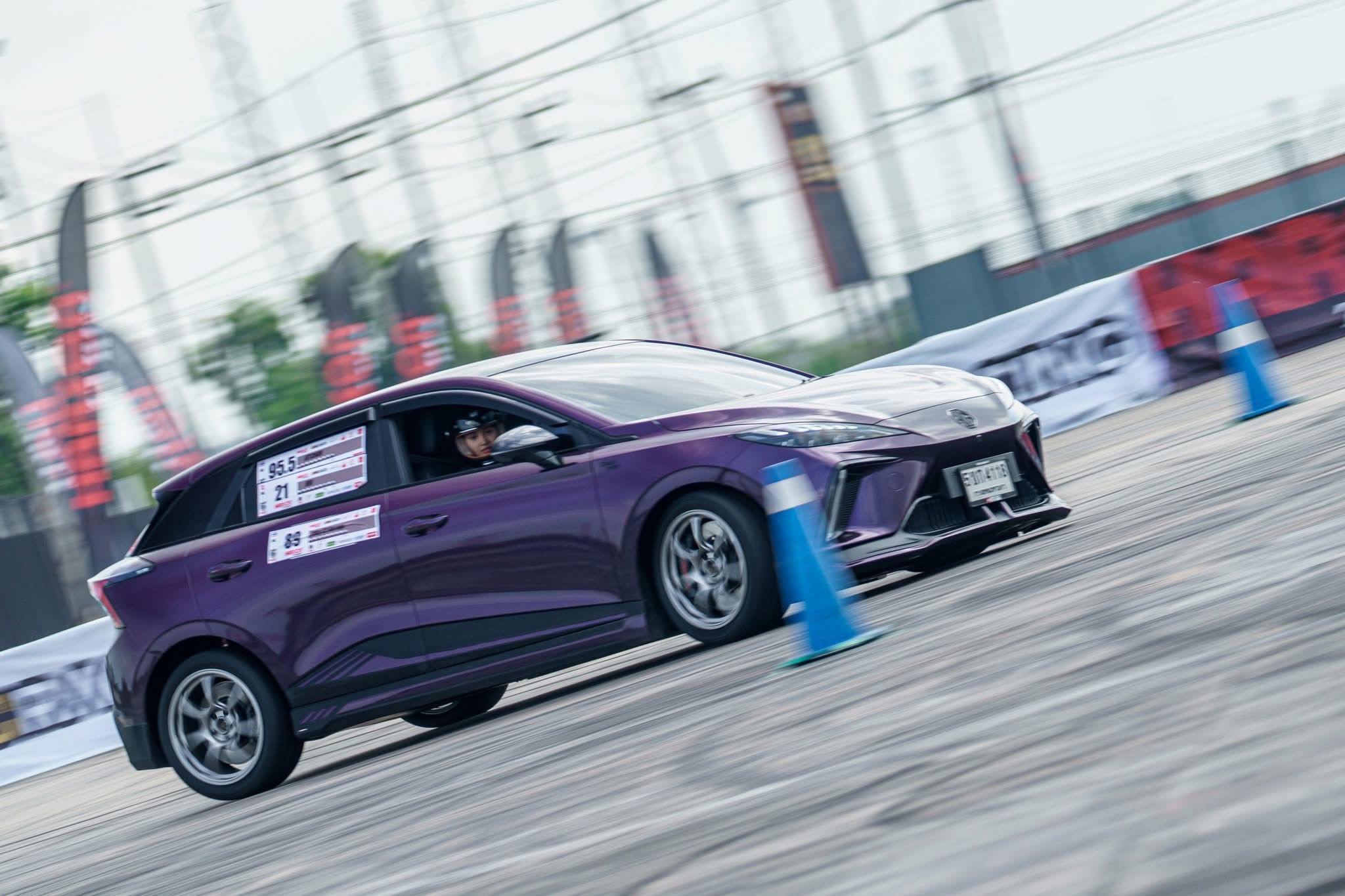
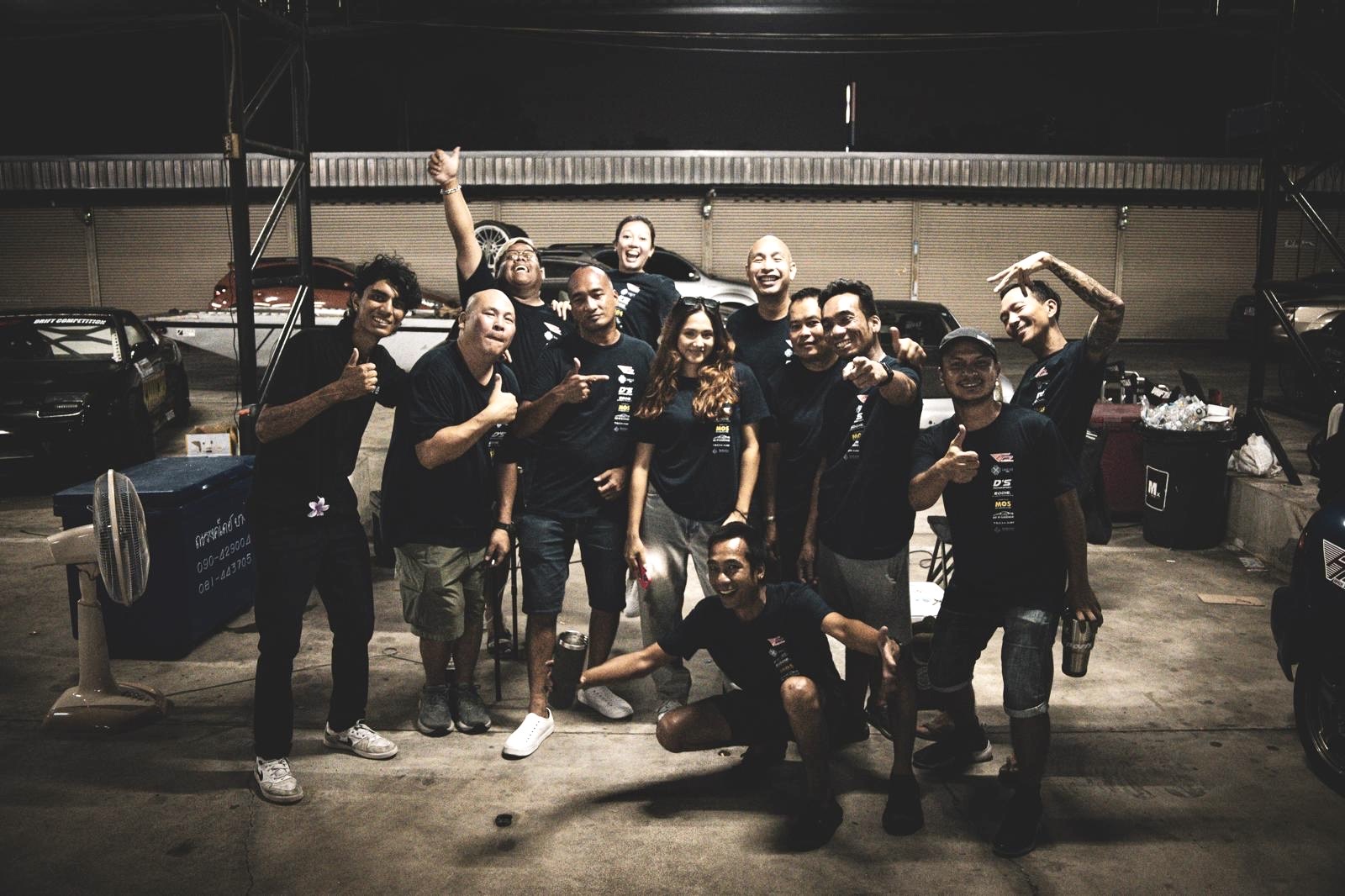
She didn’t jump in blindly. Shrestha went up to the racers and inquired how they had gotten started. They told her about the training, how intensive it was, and what the process looked like. She enrolled, formed her team, D’s Motorsport, a Thai company, and began learning from scratch. The team was entirely Thai, and the language barrier was real. “Not everyone knew how to speak English,” she says, “But we tried to talk it out, and they helped me go through the entire process.”
What is interesting is that the company had been eagerly looking for a female racing driver, and they were supportive of her at every level, a refreshing change in what most women in male-dominated sports feel about themselves.
Those first races were a wild mix of nerves and pure exhilaration. “The adrenaline rush is indescribable,” she says, describing how everything else seems to fade the moment she hits the accelerator. Early setbacks, including her first DNF (Did Not Finish in racing and motorsports), became some of her most valuable lessons about preparation, concentration, and bouncing back stronger. For Shrestha, racing isn’t just about beating the competition; it’s about connection: with her team, with her car, with the track itself.
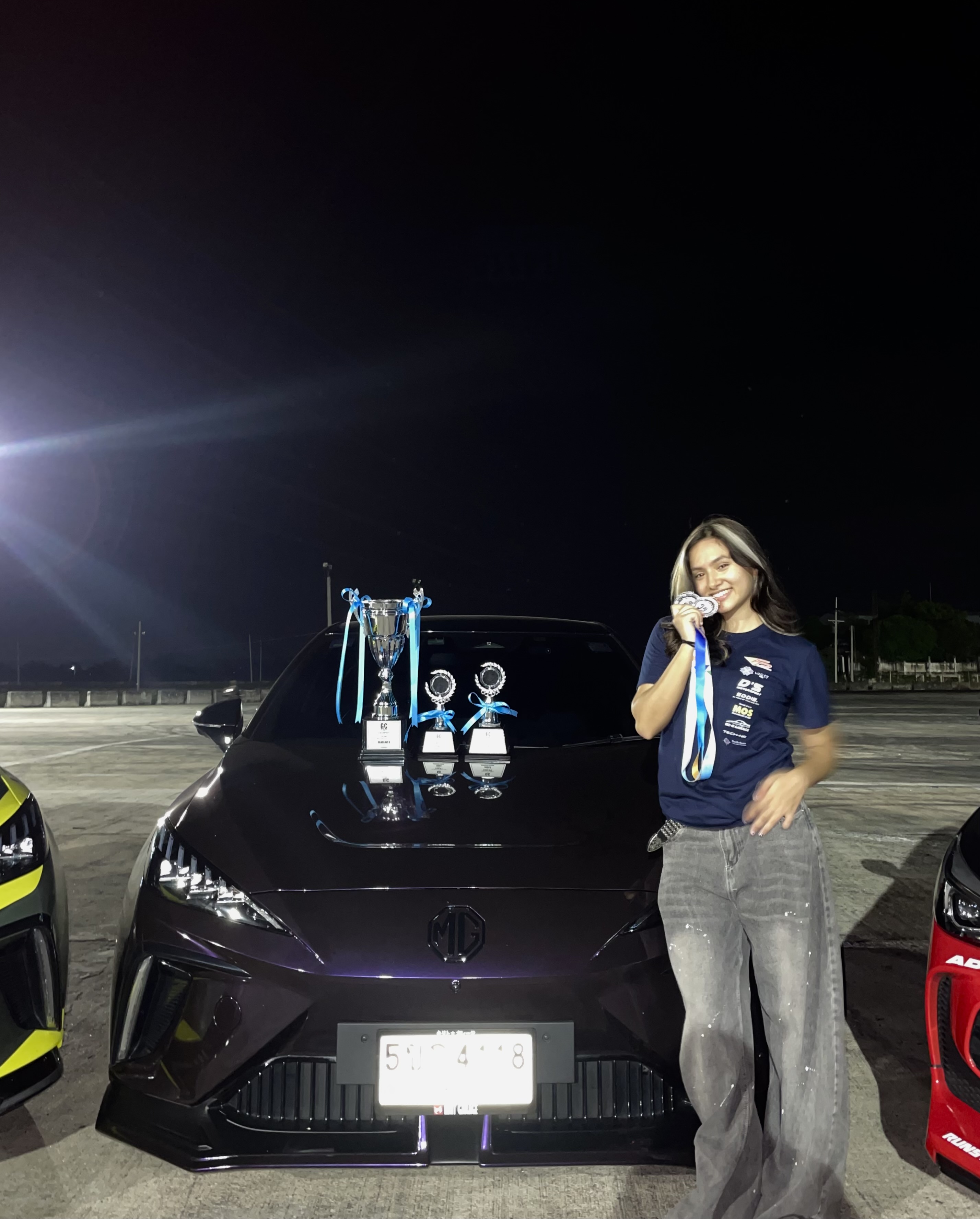
Her car, an MG XPower 430 hp, has become an extension of herself. Its arc-reactive control and raw power give her the confidence she needs. She goes on to note how important it is to know all the details of the vehicle, including torque, braking points, turning radius, and all those heart-stopping drifts.
However, she says that winning does not come only from possessing the right car. The combination of a machine and a driver is what makes all the difference. Each training session she conducts with her team strengthens this bond.
Ask anyone unfamiliar with Gymkhana, and they’ll picture racing as one thing: going fast in a straight line. But Gymkhana is something else entirely. Forget the long straights and banked corners of a conventional circuit—this is a sport that unfolds in tight, twisting patterns across a compact course, where the ability to think three moves ahead matters just as much as throttle control.
Drivers must absorb an entirely new track layout before each competition, committing every cone, every turn, and every drift zone to memory, because there is no second-guessing mid-run. A wrong turn doesn’t just cost time—it can mean instant disqualification. “Each month we have a race, and each time it’s a different track,” Shrestha explains. “They give a layout the day before, so we have to memorise it.” What she describes is less like traditional motorsport and more like a chess match played at speed—one where the board changes every single month.
Over time, she says, the sport has quietly rewired the way she thinks. “Through racing, I’ve learned to make decisions fast. Whenever you’re driving, you need to know where you’re going and take swift action,” she says. The course-shaped version of that instinct has found its way into the aspects of her daily life in ways that she had not anticipated.
She has won numerous podium finishes in the GC Grid Competition, a monthly series of events in Thailand that runs from February through October.
“I was quite happy and emotional, as I did not expect to win,” she says. “Sometimes I win, sometimes I lose, but I am used to it. It’s amazing to represent my country on such a platform.”
What makes Shrestha’s story striking is how well-supported her path has been. Motorsport is notoriously expensive. Equipment, licensing, travel, training, the costs pile up fast. Yet Brisha is fully sponsored by her team, and her family has been nothing but encouraging. “My parents are very supportive and so is everyone back home,” she says.
It is difficult to balance it all out, though. Racing, university and content creation do not fit neatly in a schedule. “Sometimes you’re studying, sometimes making content, and sometimes racing, it’s a lot on my plate,” she admits. “At times I simply cannot cope with everything in a proper way, but every day I do my best.” There is no glamorised version of this in her telling. It’s honest, a little messy, and very real.
Things are also beginning to stir back home. In 2025, Gymkhana events were held in Nepal, and she also took part. She says, “I think there is a lot of potential there. Both men and women can participate in the different motorsport franchises emerging in Nepal, and more women can be encouraged to get involved. I see a bright future.”
Her goals extend far beyond podium finishes; she hopes to help build something that will endure, so that Nepal can become a place where the next generation of women no longer has to look beyond their own country to find a home in the sport.

Most Read from Culture & Lifestyle

It’s a bird … it’s a plane … it’s the Indian ambassador’s farewell tweets
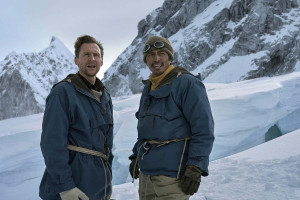
‘Tenzing’ puts the Sherpa at the centre of the Everest story
How should Nepal navigate a world in reorder? Rajib Upadhya on geopolitics and foreign policy
How Anup Poudel took Nepali cinema to Cannes
A Nepali photographer rediscovers Calcutta after decades
Editor's Picks

Constitutional Bench caught in seniority, ‘pick and choose’ dispute

A Dom boy’s long road to becoming a doctor

From blankets to handmade dolls, two foreign women bring comfort to flood survivors

News Analysis: When institutional defence exposes institutional fault lines
It’s a bird … it’s a plane … it’s the Indian ambassador’s farewell tweets
E-PAPER | October 12, 2026

×