A different kind of party is spreading in Kathmandu—quiet, sober and at dawn
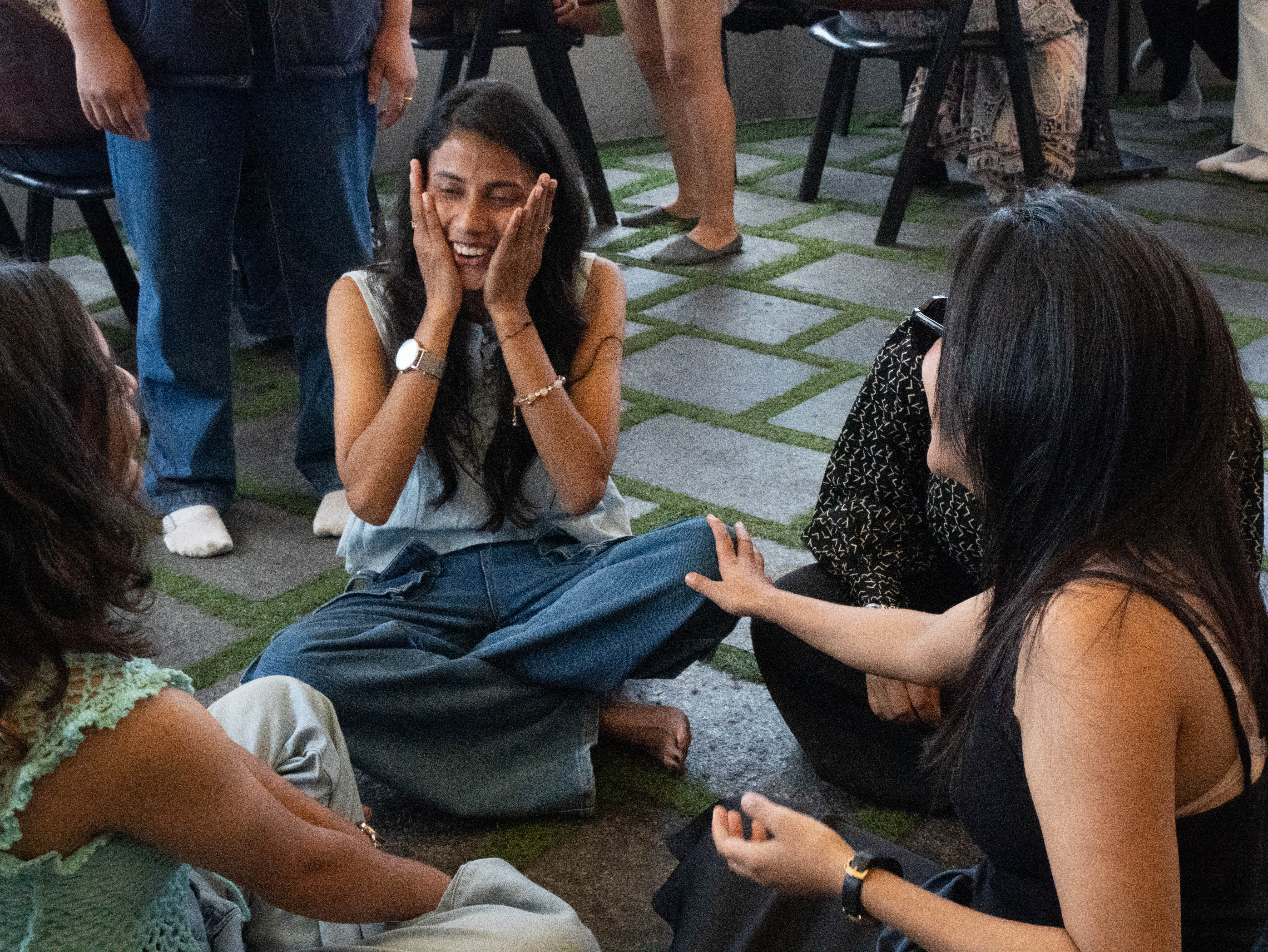
Joy Riot gatherings are introducing a new party culture that is phone- and alcohol-free, where dancing and presence replace the noise of traditional nightlife. Photos: Courtesy of Yulia Lukashenko
Can the words ‘sober’ and ‘party’ ever come together?
For many of us, they may not, as we are more accustomed to night parties with alcohol as our invisible dance partner. Our phones’ flashlights flicker as we record the night, scream along to the music, talk loudly over it, and lose ourselves in the chaos of having a good time.
But have you heard of a party with no phones, no talking, no drinking, and no shoes, which comes to life not after dusk but in the early hours of dawn? Yuliya Lukashenko, who calls herself the ‘Mother’ of the Joy Riot event—an early morning sober dance party—is behind this initiative in Kathmandu.
Lukashenko, born in Ukraine, is a breathwork facilitator and somatic coach. The calm of her profession is reflected in her personality, as she carries herself with relaxed shoulders and an easy smile. She pauses a fraction before she tells me about the sober dance party.
About three years ago, Lukashenko stopped drinking alcohol and found that sober wellness events in places like Bali and New York were more enjoyable than traditional nightlife. Having moved to Kathmandu and finding no such space, she decided to create one to enjoy dancing without the “chaos” of drunk people and sacrificing sleep.
As the quote goes by Toni Morrison, “If there’s a book that you want to read, but it hasn’t been written yet, then you must write it.”
Lukashenko was significantly influenced by Daybreaker in New York, a concept she first encountered in 2015. Daybreaker is a global early-morning movement where attendees trade nightlife for sober dancing, wellness, and coffee.
Yuliya Lukashenko, founder of Joy Riot
When Lukashenko thought of doing something similar here, she admits she was nervous. “I was hoping to have 50 people for the first event, but over 600 people joined the WhatsApp group within 48 hours, and the event eventually sold out at 150 tickets,” she says. The crowd was primarily local young people between the ages of 20 and 35.
Lukashenko has lived in more than four countries, and she says she has never seen such an overwhelming response to an event like this before.
But why in the morning?
She says, unlike typical clubbing, the “sunrise concept” provides a natural energy boost for the weekend, leaving participants feeling recharged rather than “wired” or depleted.
The kind of fun you don’t have to recover from.
The shift away from alcohol also fundamentally changes the nature of movement. As Lukashenko has seen in the US, Thailand and Indonesia, without substances, dancing moves away from “performance”—where one worries about being judged—and towards a reflective space where individuals can connect with their own bodies and emotions.
Kathmandu’s answer to burnout: dancing at sunrise instead of drinking at night.
In this way, “the dance floor becomes a reflective space where, without phones or talking, participants can observe their own thoughts and movements,” she says.
“I think our generation is deeply burned out, constantly working and carrying stress, and somewhere along the way, we’ve lost connection with our own bodies and emotions,” says Tushar Garg, one of the Joy Riot participants from India. “Events like this remind people that joy, movement and connection can exist naturally by being in the moment.”
Another participant, Priya Adhikari, had seen such events organised in New York and Bali, but when she found out one was happening here, she got really excited. “I’m not a club person. I’ve always enjoyed experiences that help me feel more connected to myself through mindfulness, movement, and meaningful moments.”
For another attendee, Abhishek Agrawal from Dharan, the appeal of such gatherings also lies in their potential social impact. “Such environments can positively influence people, helping many avoid dependence on substances or even support those trying to move away from addiction.”
Although rejuvenation in sobriety sounds grounding, Lukashenko admits many participants initially feel a sense of discomfort in a new social setting.
“We are used to hiding behind our devices in public,” she says.
Due to the constant onslaught of digital gratification, “our attention is currently so fractured by notifications that many people never reach a flow state,” she adds, “This makes presence a rare and valuable commodity in modern social settings. We try to attain that in such gatherings.”
She argues that today, wellness has become another “marathon” or performance in which people feel they need to “optimise” or “fix” themselves.
She believes true healing is the realisation that there is nothing inherently wrong with us and involves returning to one’s own intuition rather than seeking external answers from “gurus”.
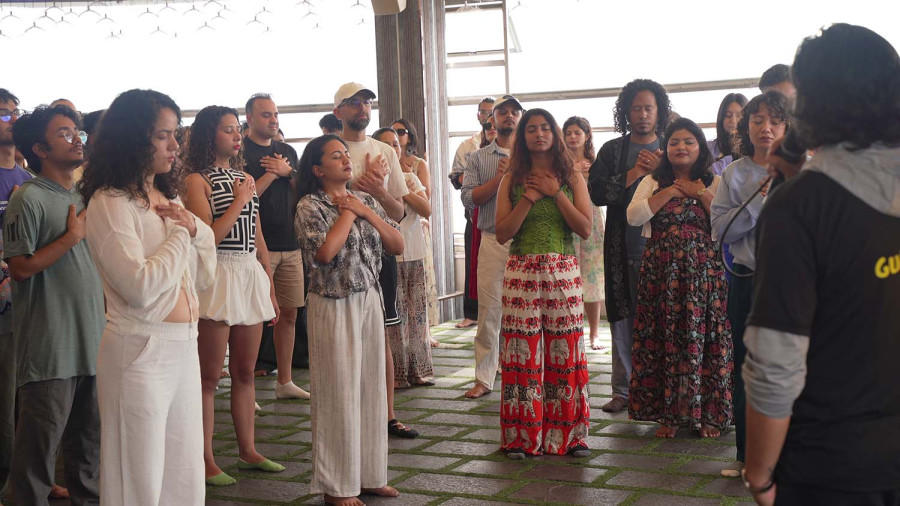
Which is why the sober party begins with a grounded breathing session, followed by bare-foot dance, and closes with sound healing.
Lukashenko, apart from being a breathwork facilitator, has also finished a DJ school. She believes the kind of sounds we listen to is directly connected to our well-being.
Events like Joy Riot rest on the idea that sound travels as vibration, and because the human body is mostly water, which carries vibrations effectively, those sounds are felt not just through the ears but through the body as well.
By using specific guidance and exercises, participants are encouraged to move emotions through their bodies, returning to the ancient human tradition of dance as a tool for self-expression and catharsis.
“In a world constantly filled with distractions and pressure, being able to pause, forget everything for a moment, and return to the present is itself something valuable,” says Deva Sukriti from Kathmandu, a Joy Riot participant.




 16.73°C Kathmandu

.jpg)