



 23.54°C Kathmandu

Mon, Oct 12, 2026
Culture & Lifestyle
MOVIE REVIEW: ‘Lalibazar’ transforms inherited pain into powerful cinema
Anchored by Swastima Khadka’s layered performance, the film explores how caste, poverty and tradition shape generations of women trapped in systemic oppression.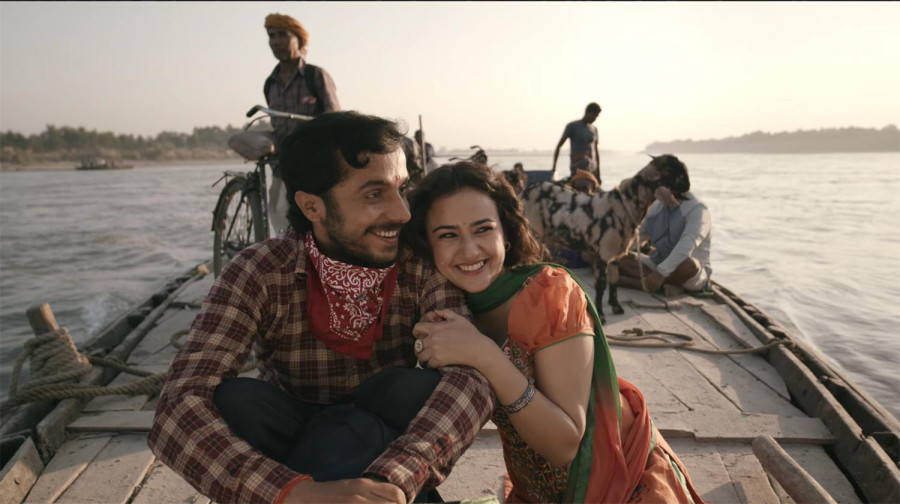
bookmark![]()
![]()
![]()
Jony Nepal
Published at : May 13, 2026
Updated at : May 13, 2026 10:55
Kathmandu
As Meryl Streep said in her 2017 Golden Globes speech, “An actor’s job is to enter the lives of people who are different from us, and let you feel what that feels like.”
Swastima Khadka does exactly that in ‘Lalibazar’.
Directed by Yam Thapa, the film explores the socioeconomic realities of the Badi community in Bardiya. The performances by celebrated Nepali actors, as well as the debut child actors, carry the emotional intensity with remarkable excellence.
From blithely aligning with the community’s customs in the first half to sharp resistance in the second, Khadka’s portrayal of her character’s emotional transformation emerges as perhaps the most powerful screen presence of her career to date.
The film, while bringing the story of the Badi community, also sets an incredible benchmark for cinematography, screenwriting, acting, art direction, style and makeup. The reality of the community, which may initially seem distant to the viewers, lingers painfully close by the end of the film.
However, the Badi community’s history and the reasons behind their inherited traditional beliefs are lacking in the film. According to UNRCHO Issue 50, they are a distinct group within Nepal’s Dalit caste, constituting its own traditions and forms of social organisation. The document further explains how the term ‘Badi’ is derived from the Sanskrit word Vadyabadak, meaning ‘one who plays musical instruments’, referring to the period when they were a caste of nomadic entertainers in neighbouring Indian states such as Bihar and Uttar Pradesh.
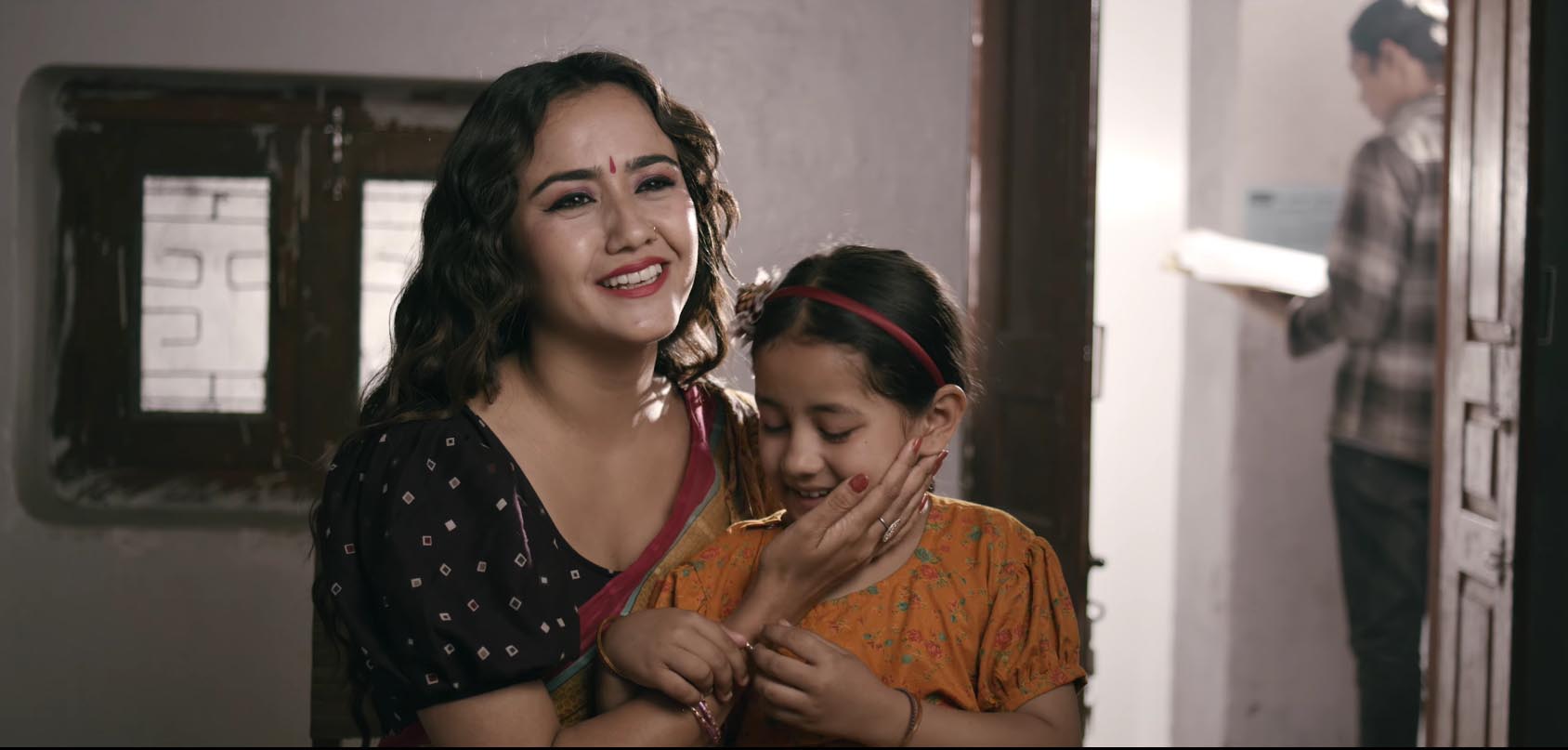
‘Lalibazar’ gradually builds its world through the subtle introduction of the main characters and setting before reaching the climax, which repeatedly breaks down the wall between the screen and the audience. It lets the ebbs of catharsis and the flows of triumph coexist within the overarching cheers of the audience, and finally it reaches a resolution that rests on the ground—rigidly yet somehow beautifully.
Songs such as ‘Mai Ramri Chu Ta Ni’ by Prakash Saput and Deepika Bayambu Magar, and ‘Maya Lai K Deu Ma Baina’ by Magar and Khem Century enhance the setting and characterisation, serving as a dynamic medium through which the film’s space and time resonate with the audience. Cinematography by Susan Prajapati, including lighting and colour, presents Bardiya’s natural beauty, enriching the narrative's emotional intensity.
The paradox of ‘Lalibazar’ can come rather abruptly to the audience as it presents prostitution as a way of life in the opening scenes. Madhubala is a character who gently takes the audience inside the lived reality of her village. It is not only a descriptive overview of the lifestyle, but a step-by-step narration, from presenting the deeply rooted institutionalisation in her perception of life to an epiphany driven by love that truly mattered to her.
The third-person limited point of view persistently keeps her at the centre of the film, representing thousands of lives that are kept far from public consciousness.
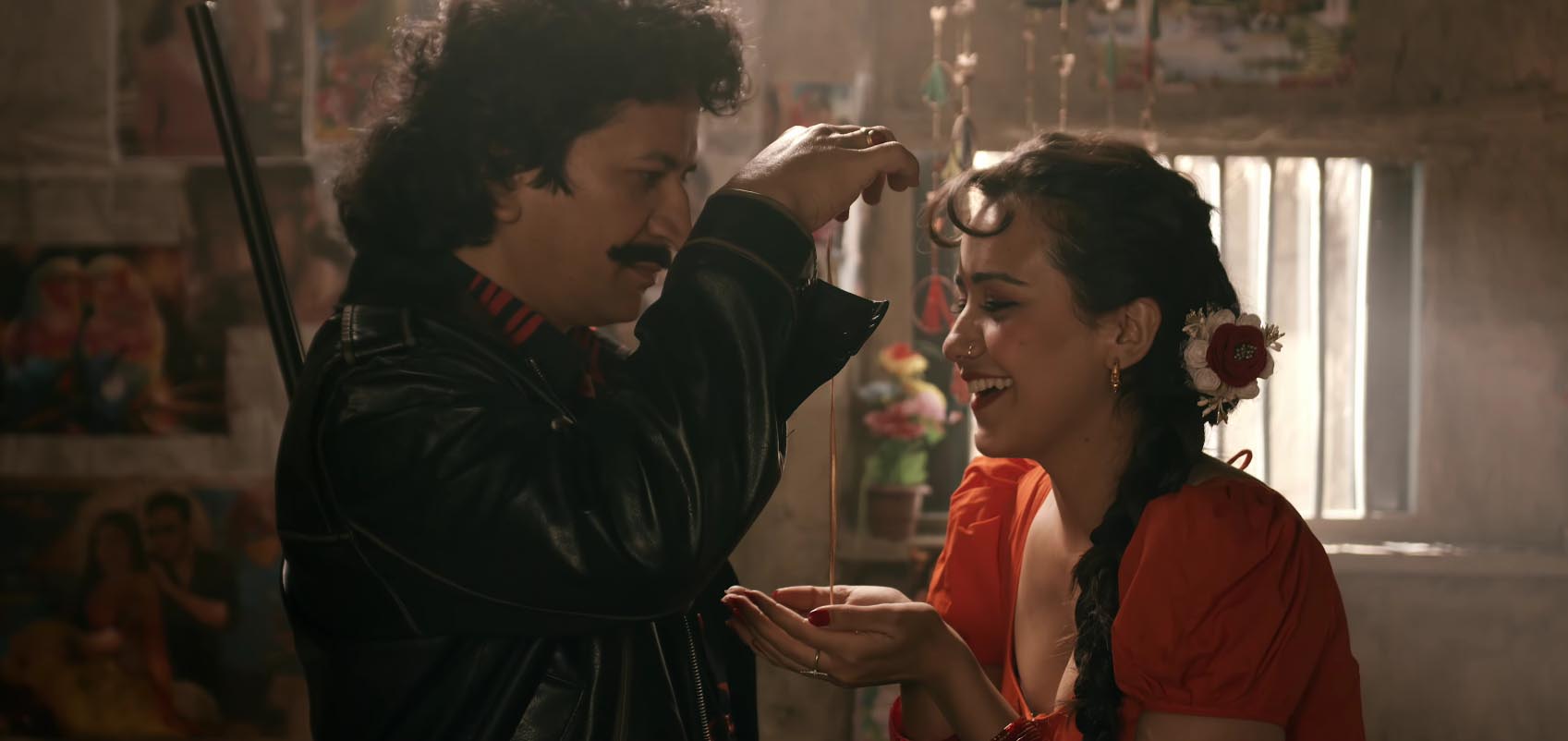
There is little to expect in the representation of complex female characters in Nepali cinema, and ‘Lalibazar’ is no exception. Madhu’s character, along with those of various women from the community, remains confined to familiar tropes of stereotypical Nepali female characters, despite being central to the narrative.
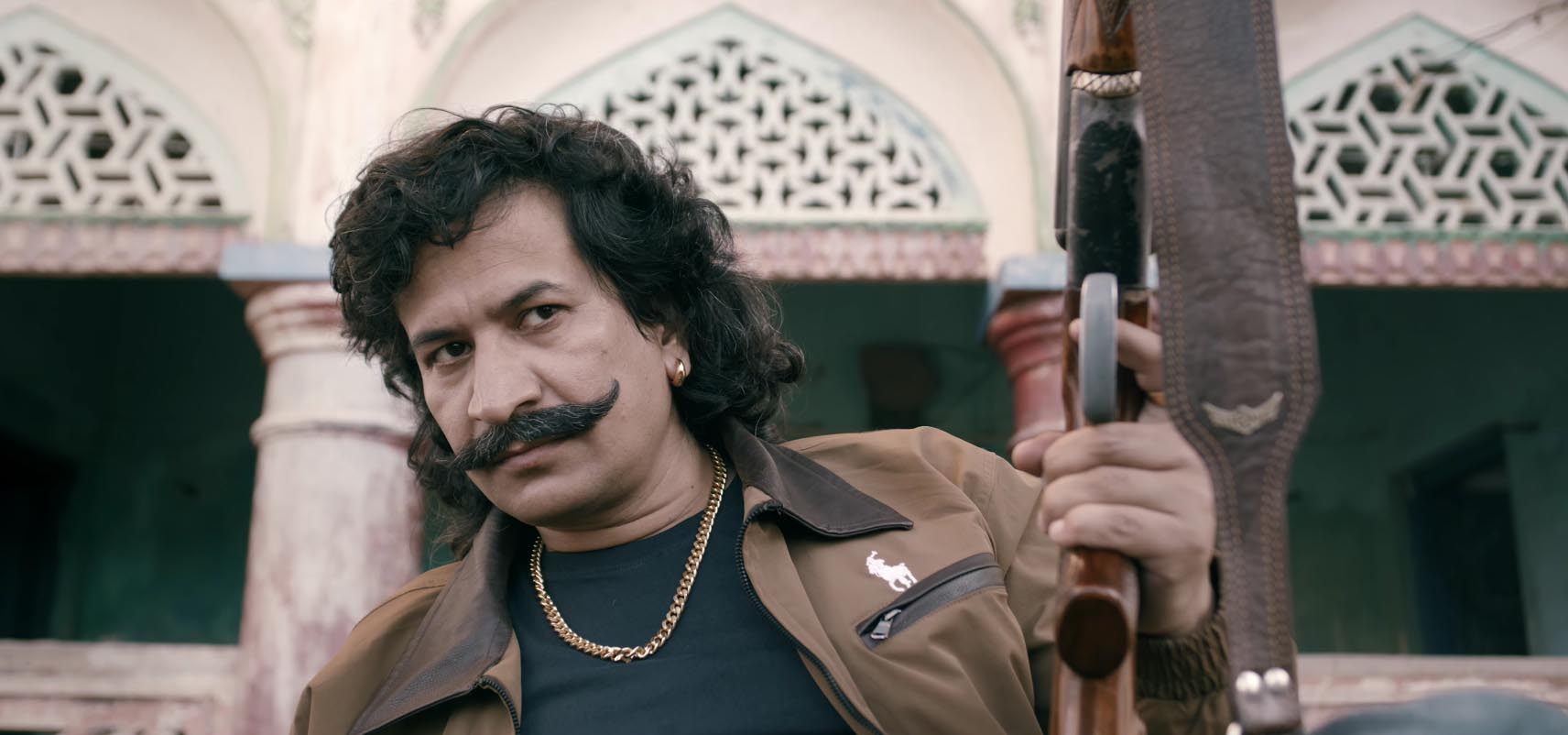
When Raja, played by Rabindra Singh Baniya, appears on screen, his moustache alone lends him an intimidating aura, establishing his presence. A villain with a shotgun—Raja represents the absurdity of perceived authority that, in itself, believes it has the responsibility to continue the tradition of breaking the ‘Natti’ where mothers from the community give, or particularly sell, their daughters to the Raja.
“My mother had done this, I am doing the same, and so will my daughter,” says Madhu, oblivious of how customary this oppression had become for her.
Opposing this system is Narayan, played by Bishal Devkota. Madhu and Narayan, against all odds, had gathered the courage to love each other and start a new life outside of Lalibazar. Madhu had it all planned. Being the breadwinner of the house, she sets aside just enough money for her brother and all the medicines and support her sick mother requires, and, with the love that remains, she leaves Lalibazar with Narayan.
Her return to the village marks the stark contrast between the world outside and the world within. Societal stereotypes and low socioeconomic status push her back to her home.
Maharani, their daughter, grows up to be the epitome of transformation for Madhu. The remnants of knowledge that Narayan leaves with her push her admission to a school. This journey is marked by Madhu’s evolving perceptions of Lalibazar, education, and motherhood. She believes that it was Narayan who taught her how to be a mother.
Oppression invites resistance, and resistance invites vengeance.
The audience’s cheers during the climax presented Madhu’s resistance as a collective emotional catharsis, representing a breaking point against historical marginalisation and an entrenched power structure.
With this, ‘Lalibazar’ demonstrates how cinema can be a bridge between the audience and marginalised realities, bringing stories into emotional proximity.
This portrayal of the Badi community, however, has also drawn criticism from activists and community members. The screening was halted in accordance with the Patan High Court's order following this controversy. While some members were deeply moved by the storyline, others believe the film tarnished the community’s representation and reality.
With its delayed opening, ‘Lalibazar’ leaves behind an unsettling reflection on caste, inherited oppression, and resistance through its central themes and characters. It becomes a cinematic experience that transcends far beyond the screen.
__________________
Lalibazar
Director and writer: Yam Thapa
Cast: Swastima Khadka, Rabindra Singh Baniya, Mukunda K Shrestha and Samaria Thapa
Producer: Shakton Arts
Language: Nepali
Available: Nearby cinema halls
Jony Nepal
Nepal is a culture and lifestyle reporter/sub-editor at the Post. She is also a Psychology and English literature student.


Most Read from Culture & Lifestyle

It’s a bird … it’s a plane … it’s the Indian ambassador’s farewell tweets

‘Tenzing’ puts the Sherpa at the centre of the Everest story
How should Nepal navigate a world in reorder? Rajib Upadhya on geopolitics and foreign policy

How Anup Poudel took Nepali cinema to Cannes
A Nepali photographer rediscovers Calcutta after decades
Editor's Picks

Constitutional Bench caught in seniority, ‘pick and choose’ dispute

A Dom boy’s long road to becoming a doctor

From blankets to handmade dolls, two foreign women bring comfort to flood survivors

News Analysis: When institutional defence exposes institutional fault lines
It’s a bird … it’s a plane … it’s the Indian ambassador’s farewell tweets
E-PAPER | October 12, 2026

×