BOOK TALK: Poetry comes to Shrawan Mukarung, not the other way around
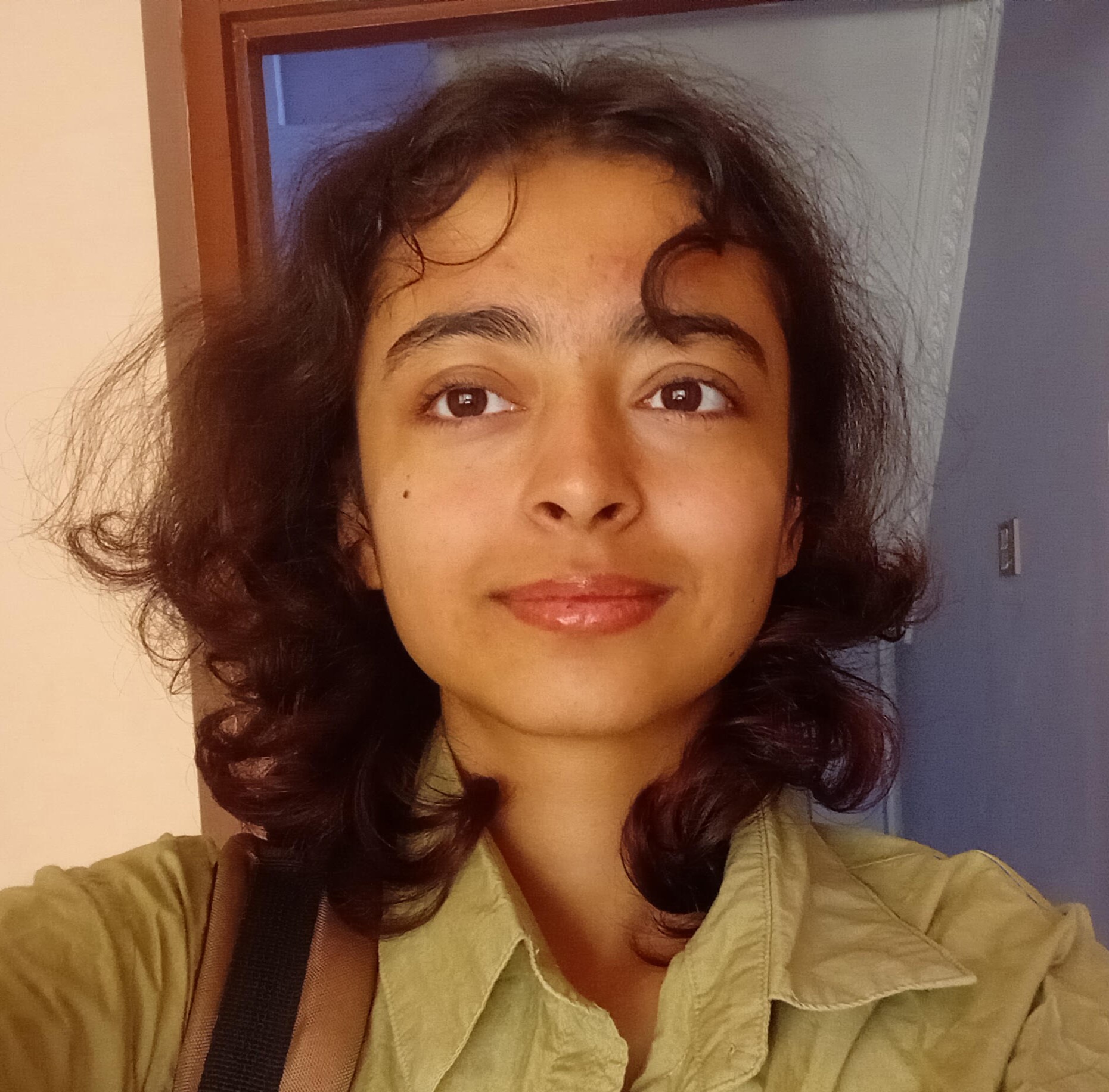
The poet and novelist speaks about writing for the marginalised, experimenting with form, and his literary journey spanning decades.Shrawan Mukarung Courtesy of Shrawan Mukarung
Literature for Shrawan Mukarung is both emotional catharsis and social responsibility. Born on June 8, 1968, in Bhojpur district, his journey was shaped by the educational and cultural environment of his birthplace.
Having written poems, songs, and plays since the age of 14, he has a bold, powerful, and influential presence and legacy in contemporary Nepali literature. His poems, such as ‘Bise Nagarchiko Bayan’, ‘Utkhanan’, ‘Yo Naulo Manche’ lie in a spectrum of personal awakening and collective consciousness.
For Mukarung, art and literature hold power. Articulating this motif, he has recently unveiled his debut novel, ‘Salaha’, from Publication Nepalaya. In this conversation with the Post’s Jony Nepal, Mukarung discusses his new novel and writing for the marginalised.
Poetry is said to be the spontaneous overflow of powerful emotions. Is that true for you as well? How does poetry come to you?
There are two processes in writing poetry. One is exactly what William Wordsworth described—spontaneous emotions. Some poems come suddenly and intensely. For me, poems come to my mind when I am walking alone. And it comes in like a sharp, inevitable force.
But there is another process that comes from design, structure, and choreography. It is like a potter shaping a clay pot or a farmer ploughing a field. Poetry is also a craft. The process can either be overwhelming or a conscious construction, or both.
Your journey into literature was pushed forward by your formal education. What role are the curricula playing to instil a genuine enthusiasm for Nepali literature among students?
I could start my creative writing journey at age 14 because my school had a reading space called Srijana Library. There was a nourishing atmosphere for art, literature, and culture, and various plays were also performed there. I, too, acted in such plays as a child artist in Vijay Malla’s ‘Bhla Kajiko Sapana’. Consequently, my interest in literature grew even more.
If we look at the history, we can see that the Bhojpur district was culturally and educationally advanced even then, and it is a matter of pride for me. Through this exposure, I got the opportunity to read many books by senior writers, including Gopal Prasad Rimal, Bhupi Sherchan, Basu Shashi, Indra Bahadur Rai, Parijat, Peter J Karthak, and Vijay Malla. And I myself imitated them and wrote poems, plays and songs.
Currently, our education system and curriculum are simply outdated, carrying the mindset of older political eras. We continue to prioritise foreign literary traditions while neglecting our own writers and thinkers.
Students may know Wordsworth or Shakespeare, but they fail to recognise Nepali writers who devote their entire lives to literature.
When my poem was recognised by the National Institute for Oriental Languages and Civilisations (INALCO) in France, Nepal’s educational system finally integrated my poetry into the curriculum. Validation for them must come from abroad, which indicates a larger problem.
In your poems, including ‘Bise Nagarchiko Bayan’, you bring voices that have been forgotten, or specifically, marginalised by Nepali history. How important is it for poets to represent such voices?
It is very important.
There are two reasons to write: one is for peace, quiet, self-satisfaction and emotional catharsis. The other is to write for society.
From the very beginning, I wanted to write about marginalised people. A mission was created. Most of my writings have been guided by that commitment. My poetry collection, ‘Desh Khojdai Jada’, published in 2007, dealt with similar concerns.
The title itself is metaphorical. It addresses people who do not feel they belong to the country: farmers, oppressed communities, women, dalits, indigenous people and those who are facing layers of discrimination.
I believed from the beginning that literature should be their voice. So, my writing has been like a thread, connecting these realities to political consciousness.
I still remember the protests surrounding the execution of Zulfikar Ali Bhutto in Pakistan. Even in our villages, discussions about dictatorship and political oppression reached us. At first, our understanding was immature and emotional—a kind of youthful revolutionary mindset.
But after I came to Kathmandu, especially after the People’s Movement of 1990, my awareness deepened. Questions of caste liberation, Dalit rights, Indigenous identity, and existence became more visible in society. Communities were searching for dignity and recognition, and naturally, my writing connected with those struggles.
At the same time, reading world literature expanded my perspective. African literature, Indian literature, women’s writing, and Western literature widened my understanding of society and identity.
How did you explore Kirat identity, memory and survival through Nayuma in your Novel?
I do not claim to be a great scholar of Kirat history or philosophy. But through study, experience, and personal engagement, I sought to understand certain aspects of it and to use them meaningfully in the novel.
The main character is Nayuma, also described as ‘The Mountain Girl’, who explores Nepali society as a whole.
Writing a novel is entirely different from writing poetry. Poems can arrive suddenly and naturally, but a novel requires time, patience, and experience. I consciously dedicated myself to it, travelling to locations and immersing myself in the environments connected to the story. It took me nearly three years to complete this process.
I have also consciously tried to write differently from others. I have experimented with language, structure and storytelling. My background in poetry, songwriting, theatre, and cinema writing has sharply influenced the novel.
Its emotional range is also a highlight. I do not want readers to remain in one emotional tone while reading. They should sometimes laugh, cry or become angry. The novel moves them through many emotional states.
At this stage of life, nearing sixty, I felt that experience itself had become more important than knowledge alone. This novel comes from a long literary journey, accumulated experiences, memories and maturity.
Shrawan Mukarung’s five book recommendations
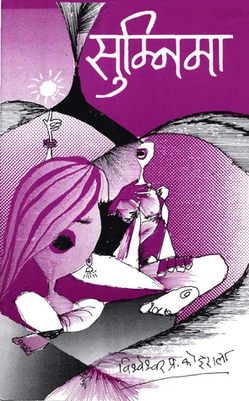
Sumnima
Author: BP Koirala
Publisher: Sajha Prakashan
Year: 1969
This classic by Koirala shows the clash between strict religious rules and natural human desires.
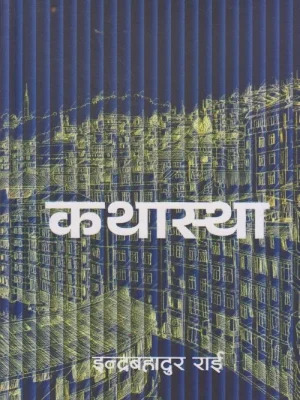
Kathastha
Author: Indra Bahadur Rai
Publisher: Sajha Prakashan
Year: 1974
A collection of stories about Nepalis living in Darjeeling, also a foundation for the Third Dimension literary movement.
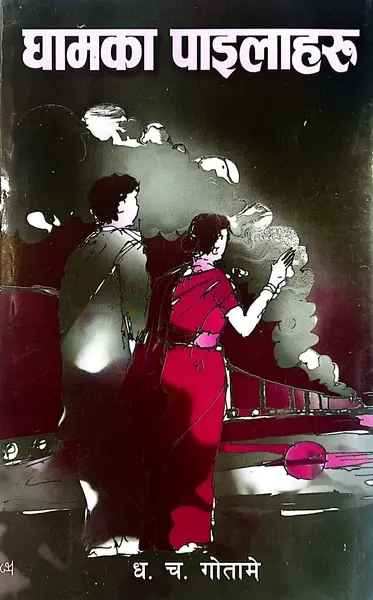
Ghamka Pailaharu
Author: Dhanush Chandra Gotame
Publisher: Sajha Prakashan
Year: 1979
Gotame writes about struggles in a middle-class family. It accurately captures society in Eastern Nepal during the mid-1900s.
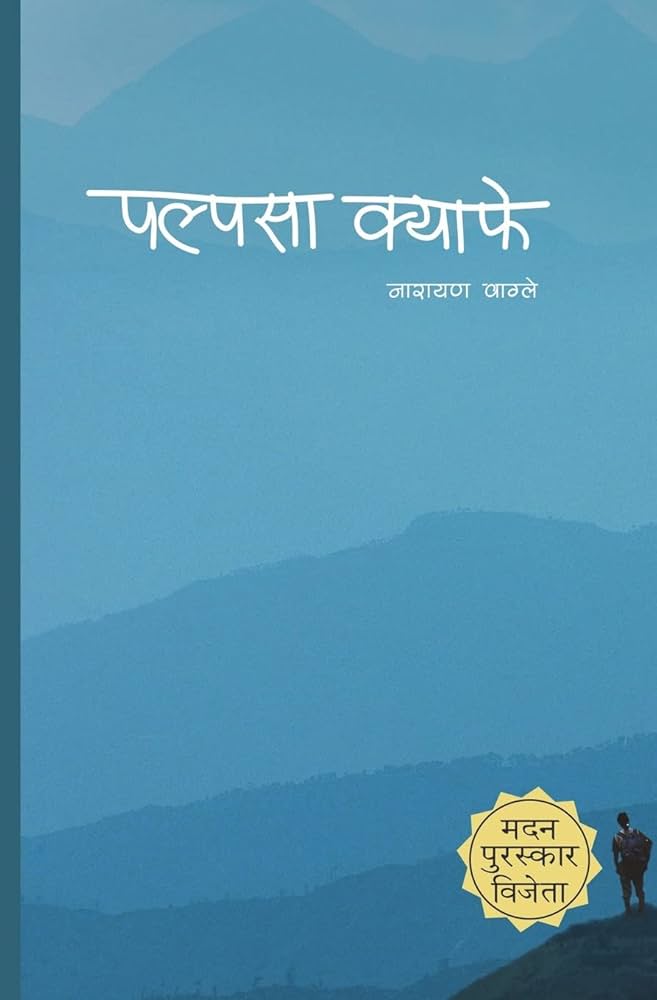
Palpasa Cafe
Author: Narayan Wagle
Publisher: Publication Nepalaya
Year: 2005
A powerful novel about how the Maoist civil war affected Nepalis—told through the eyes of a young artist.
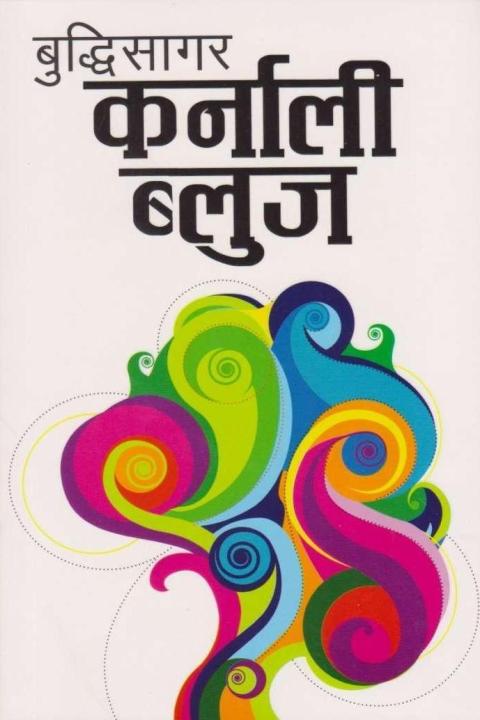
Karnali Blues
Author: Buddhisagar
Publisher: FinePrint Books
Year: 2010
A heartwarming story about a son’s love for his father. It shows the struggles of growing up in Western Nepal.




 20.11°C Kathmandu