Nepal has learned to see queer people. Has it learned to accept them?
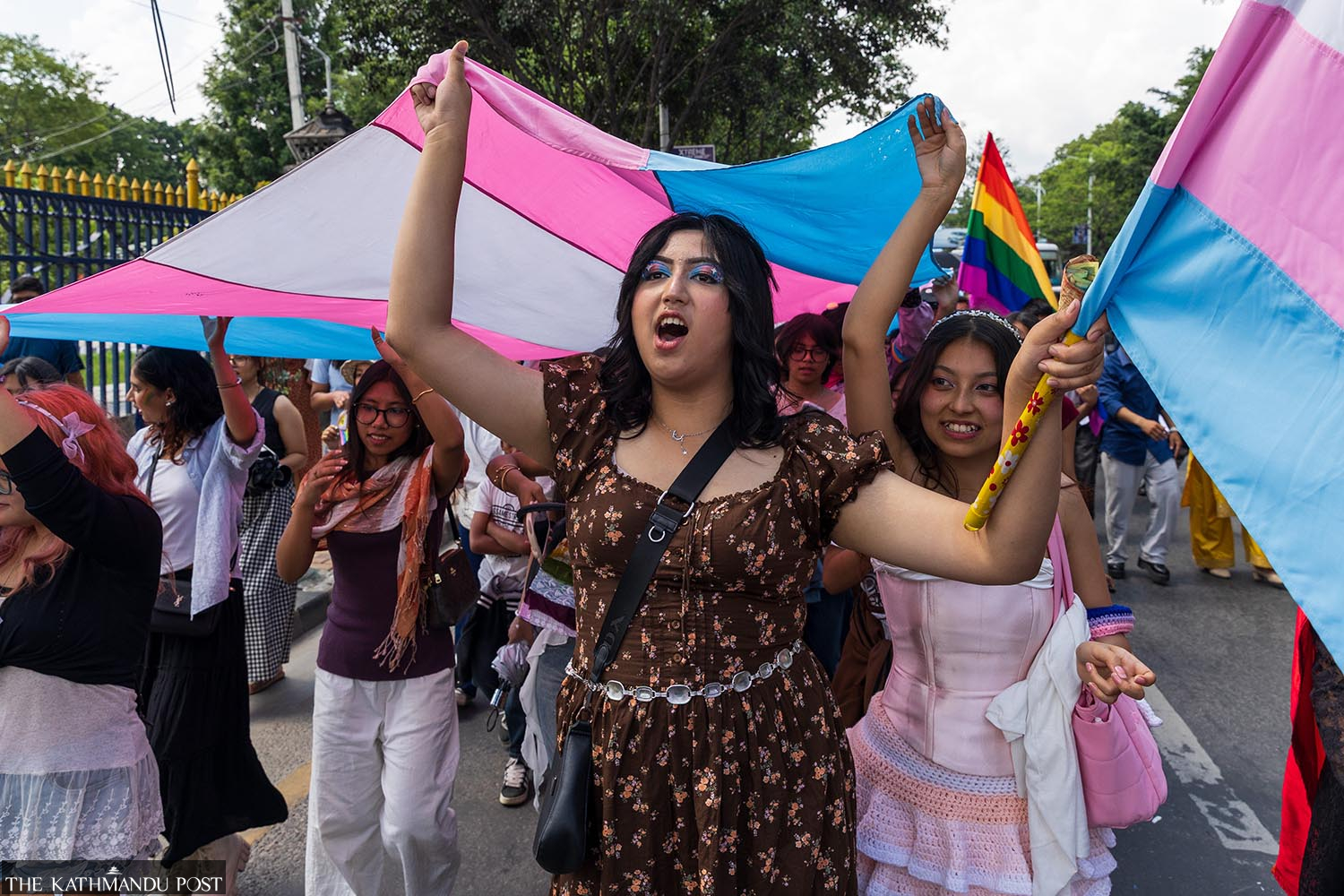
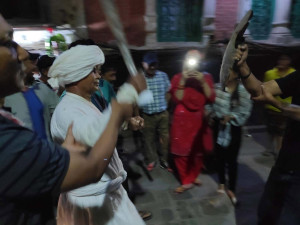
The country’s LGBTQ community has won significant legal recognition, but participants at this year’s Pride Parade say social acceptance remains a work in progress. Noah Epps/TKP
A few years ago, seeing Nepal’s first transgender woman to summit Everest and a cast member from a Cannes-celebrated film at the same public event might have been enough to make headlines.
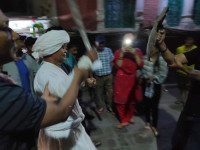
At this year’s Pride Parade in Kathmandu, they blended into the crowd.
Neelam Paudel, the first transgender woman to climb Mount Everest, moved through the gathering alongside activists, students and allies. Nearby was Pushpa Thing Lama, a cast member of ‘Elephants in the Fog’, the Nepali film that recently received a seven-minute standing ovation at Cannes. Around them were hundreds of others carrying rainbow flags, taking photographs, dancing to music and chatting with friends.
What stood out was not who was there. It was how normal it all felt.
For decades, Pride has been associated with visibility. It started as a demand to be seen in societies that preferred LGBTQ people to remain invisible. Yet walking through Kathmandu’s Pride Parade this year, it felt as though visibility was not the central issue.
Nobody seemed particularly surprised that queer people were there.
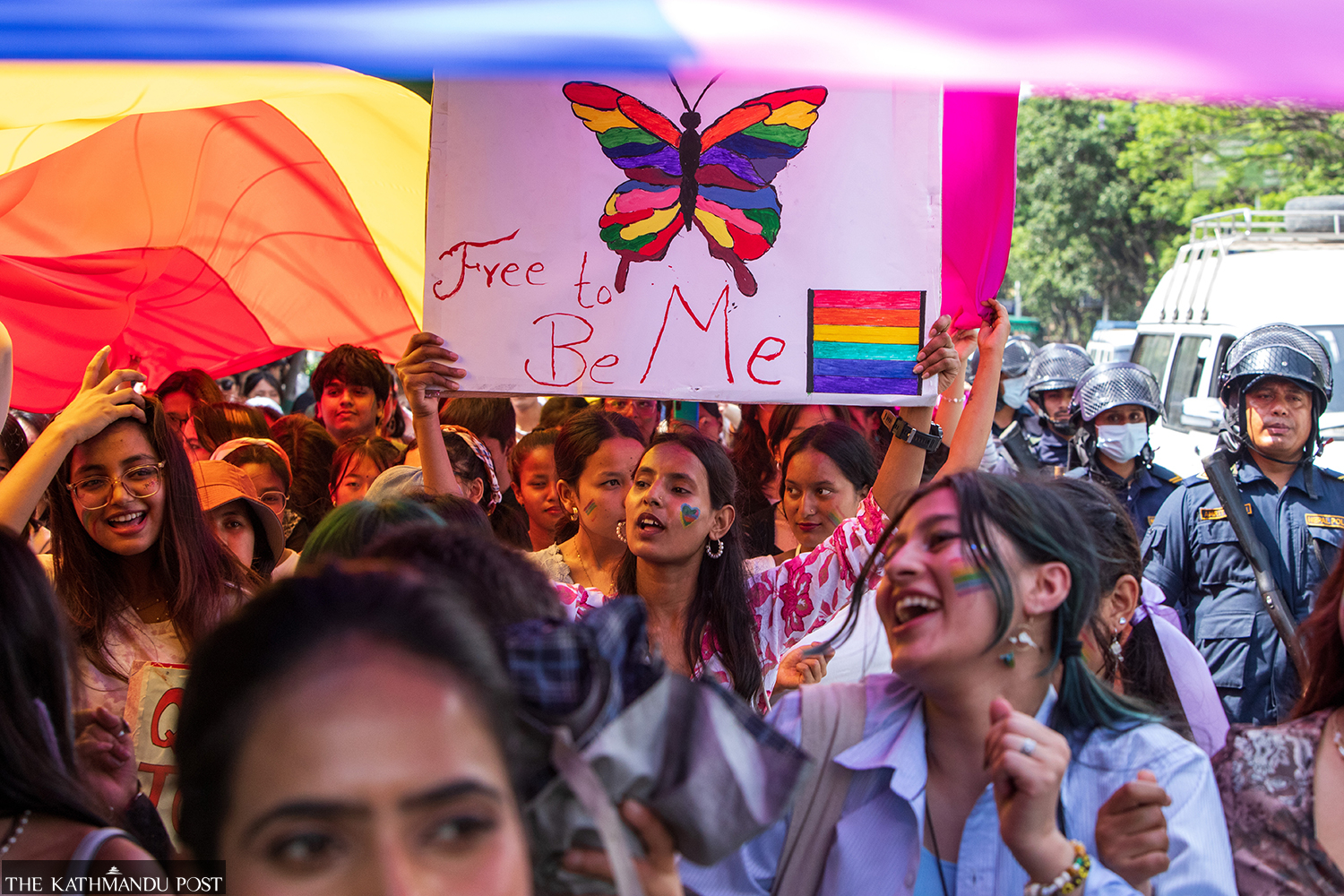
The crowd was large. The atmosphere was relaxed. Foreign tourists joined the march. Straight allies showed up without feeling the need to justify their presence.
That apparent normalcy says something about how Nepal has changed.
“We started without funding,” said Beendu Pariyar, a transgender woman, activist and program manager at Queer Youth Group Nepal, which organised the event. “But we believed no one's voice should remain unheard.”
Pariyar credits part of that progress to Nepal’s Constitution, particularly Articles 12, 18 and 42, which recognise rights related to identity, equality and social justice. She believes that growing awareness of those rights has contributed to increased acceptance among families and communities.
Compared to much of South Asia, she argues, Nepal has positioned itself as a relatively progressive country for LGBTQ people.
Some visitors seem to agree.
Gabby, a 22-year-old tourist, said she was struck by how peaceful the parade felt.
“In many places, Pride events have people standing on the side with hateful signs,” she said. “Here it felt fun. It felt safe.”
But if Kathmandu Pride sometimes appeared like a celebration of progress, conversations within the crowd revealed why the event still matters.
Bik, a gay Nepali man who lives in Australia, said he has witnessed significant changes since his last visit. LGBTQ people are more visible, public discussions are more common, and events such as Pride attract far more participation than before.
Yet he rejects the idea that Nepal has solved the problem.
“There has been progress,” he said. “But society is still homophobic in many ways, and gay men still experience horrendous behaviour.”
His observation captures a contradiction visible throughout the parade.
The legal battle for recognition may have advanced faster than the social battle for acceptance. That gap is perhaps why Pride continues to attract not only queer participants but also allies.
When asked why she attended, Suyukti (name changed), who identifies as straight, seemed puzzled by the question.
“It's the bare minimum,” she said. “Being straight shouldn’t stop anyone from supporting LGBTQ rights. It's a no-brainer.”
Kusum, another ally, argued that support from outside the community remains essential because LGBTQ people have historically existed as a minority. Events like Pride, she said, create a rare public space where people can express themselves freely.
For Nisha, the value of Pride lies in visibility itself.
“These events prove that LGBTQ communities exist,” she said. "They help people who are questioning their sexuality and people who are still closeted feel represented."
Pariyar sees the parade as part of a broader shift in how LGBTQ people are understood in Nepal. She points to films such as ‘Gulabi’ and the growing presence of queer people in public life as evidence that the community is increasingly being portrayed as more than a collection of struggles.
“It is good that LGBTQ people are no longer only shown as victims,” she said.
And amongst the flags, the music, and the crowd, that was the most striking thing about Kathmandu Pride this year. It was the growing sense that queer Nepalis are beyond appearing in public solely to defend their right to exist.
They are appearing as artists, athletes, professionals, activists, students, friends and family members. And yet, as participants repeatedly reminded one another, being visible is not the same as being accepted.
That is why Pride remains both a celebration and a demand. A celebration of how far Nepal has come, and a reminder of how much further it still has to go.




 14.81°C Kathmandu