20.51°C Kathmandu

Food review: Malaysian food that feels familiar, with a few surprises
From smoky chicken satay to tender rendang and a bowl of comforting laksa, Sing-Ma serves up familiar flavours with a distinctly Malaysian twist.
From smoky chicken satay to tender rendang and a bowl of comforting laksa, Sing-Ma serves up familiar flavours with a distinctly Malaysian twist.
Shrestha’s camera became a way to understand masculinity, revisit childhood memories, and make sense of his relationship with the Valley.
Subin Bhattarai’s novel captures nostalgia and the chemistry between Atit and Saya, but heavy-handed music, dance and performances often overshadow its emotional core.
Writer Gautam recalls Koirala’s influence on his reading, writing, and political thinking—and the memories behind his new book ‘BP Ra Bidrohka Ti Din’.
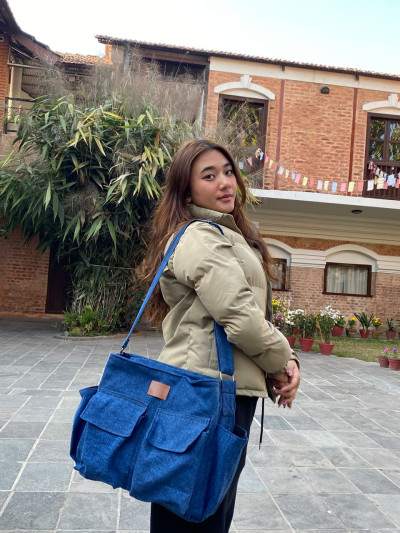
The organisation turns discarded denim into bags and accessories, while asking consumers to reconsider what they buy, what they throw away, and what waste can become.
The Board’s ‘Old Is Gold’ exhibition offers a window into how Nepali cinema—and Nepali society—has changed, while revealing what remains familiar.
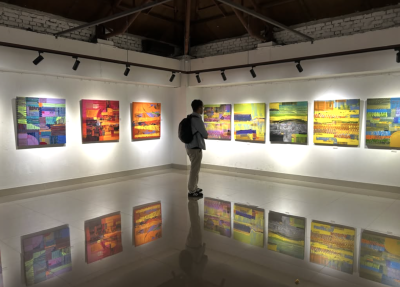
At The Kalā Salon, Sagar Manandhar’s newest body of abstract paintings is a conversation where colour, texture and rhythm become languages of their own.
Na Hong-jin’s film begins with an atmospheric feature set in a rural community before its expanding scale dilutes the suspense.
Yekendra Bahadur Rawal’s ‘Aghortantra’ proves that Nepal’s own myths and rituals can be as haunting as any gothic horror.
Singer Salina BK discusses the books and musical traditions that continue to influence her artistic journey.
For adults raised to equate obedience and self-sacrifice with love, rejection can become a threat to belonging.
Aesthetic Dance Studio's annual award honours the legacy of the dance educator Mishra.
Beirut’s Lebanese menu favours balance and freshness, letting vegetables and herbs take centre stage.
A mock courtroom trial turns into a disturbing examination of misogyny, collective judgment and the ease with which ordinary people become complicit in cruelty.
In an effort to avoid judgments on social media, people are rebuilding their self-expression and identity.