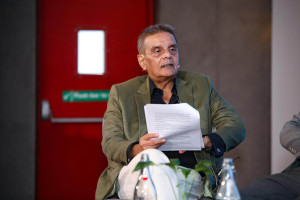
Writer Gautam recalls Koirala’s influence on his reading, writing, and political thinking—and the memories behind his new book ‘BP Ra Bidrohka Ti Din’.Courtesy of Dharma Gautam
Dharma Gautam is a writer and political observer who was part of Nepal’s political movement during the Panchayat era, fighting for a multiparty system and advocating for civilians’ rights. He spent time in exile in India, where he began to read extensively and study journalism.
Gautam recently published his first book, ‘BP Ra Bidrohka Ti Din’, which draws on his memories of Nepal’s political struggles and his experiences during exile. The book is prepared from memories and materials he had preserved over the years, following encouragement from friends and family.
The Post’s Shrinkhala Chand Thakuri sat with Gautam to talk about writing, memory, BP Koirala, politics, and books.
How did you get into writing?
Since I was in politics, I wanted to keep up with national and international events and developments. While in college, I regularly listened to foreign radio stations and read any newspapers and magazines I could find.
It was the Panchayat era, so there was no press freedom in Nepal. I regularly read Hindi-language magazines such as ‘Dinman’, ‘Dharmyug’, ‘Kadambini’, ‘Navneet’ and ‘Madhuri’. When these magazines arrived in Ilam, the shopkeepers would first have them censored at the Chief District Officer’s office before putting them up for sale.
After I went into exile in India, I started reading books from different fields. BP himself would give us books and suggest what we should read. Sometimes he would also give us what felt like critical reviews of books he had read.
I also began studying journalism while I was there. BP used to say that newspapers and magazines had a major role in politics.
After returning to Nepal, I began writing about contemporary issues for newspapers. Sometimes a book would affect me, and I would write about it. After the restoration of democracy, I could write openly about political issues. I also wrote about my life in exile and BP’s ideas. Readers seemed to enjoy those pieces, so I continued writing.
I regret not collecting and preserving those writings. Once I began writing regular newspaper columns, I felt compelled to keep writing. I was also requested to contribute pieces for publications, commemorative issues, and memoir collections.
These days, I read and write more slowly because of my age. But I don’t find it difficult to write about subjects I know well. I think my language is also quite simple.
What was it like to revisit the memories you write about in ‘BP Ra Bidrohka Ti Din’?
I prepared this book less out of ambition and more because of pressure from friends and family. Along with that, personally, after last year’s Gen-Z movement, I felt that the new generation should also know the stories of earlier political struggles.
Most of my experiences have already faded from memory. I dived deep into my fading memory and some of the material I had preserved on my computer, then prepared the book with some basic editing.
Reading it made me feel like I was going back in time.
You lived through a very different political Nepal. When you look at young people and politics today, what feels familiar to you?
The struggles are different, but I think there is still an important connection between young people and political change. That is one reason I felt the stories of our generation should be made available to younger people.
You knew BP Koirala personally. What do you remember about him that you don’t often see in accounts of his life?
BP was not only one of the greatest Nepali revolutionaries of our time but also a philosophical thinker.
His socialist thinking was distinctive in the Nepali context. It brought together democracy, individual freedom, social justice, and economic equality. He also had immense compassion for human beings.
He also had a global outlook on politics. Some of his predictions about world events have come true. Whenever I read his books, such as ‘Aatmabrittanta’, I feel that I discover a new meaning in them.
BP also encouraged you to read. How did he influence your reading habits?
BP placed great importance on reading in the development of his personality. He would always complain to us, saying, “You are lazy about reading.”
It doesn’t matter what one reads unless they keep reading. Today, it is not difficult to find material on the subject you are interested in.
You said that you would like to work on BP Koirala’s political thought and philosophy. What aspect of his ideas do you think deserves more attention today?
I would like to work on BP’s political thought and philosophy if I can. His ideas about democracy, individual freedom, social justice, and economic equality remain important.
Five books you think everyone should read?
Reading depends on the individual’s interests, and the choice of books should also be based on that. For someone interested in politics, I think BP Koirala’s writings are essential.
Dharma Gautam’s five book recommendations
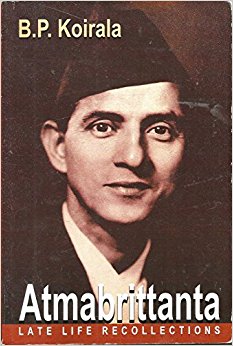
Atmabrittanta
Author: BP Koirala
Publisher: Himal Books
Year: 2001
It contains BP Koirala’s experiences throughout his life.
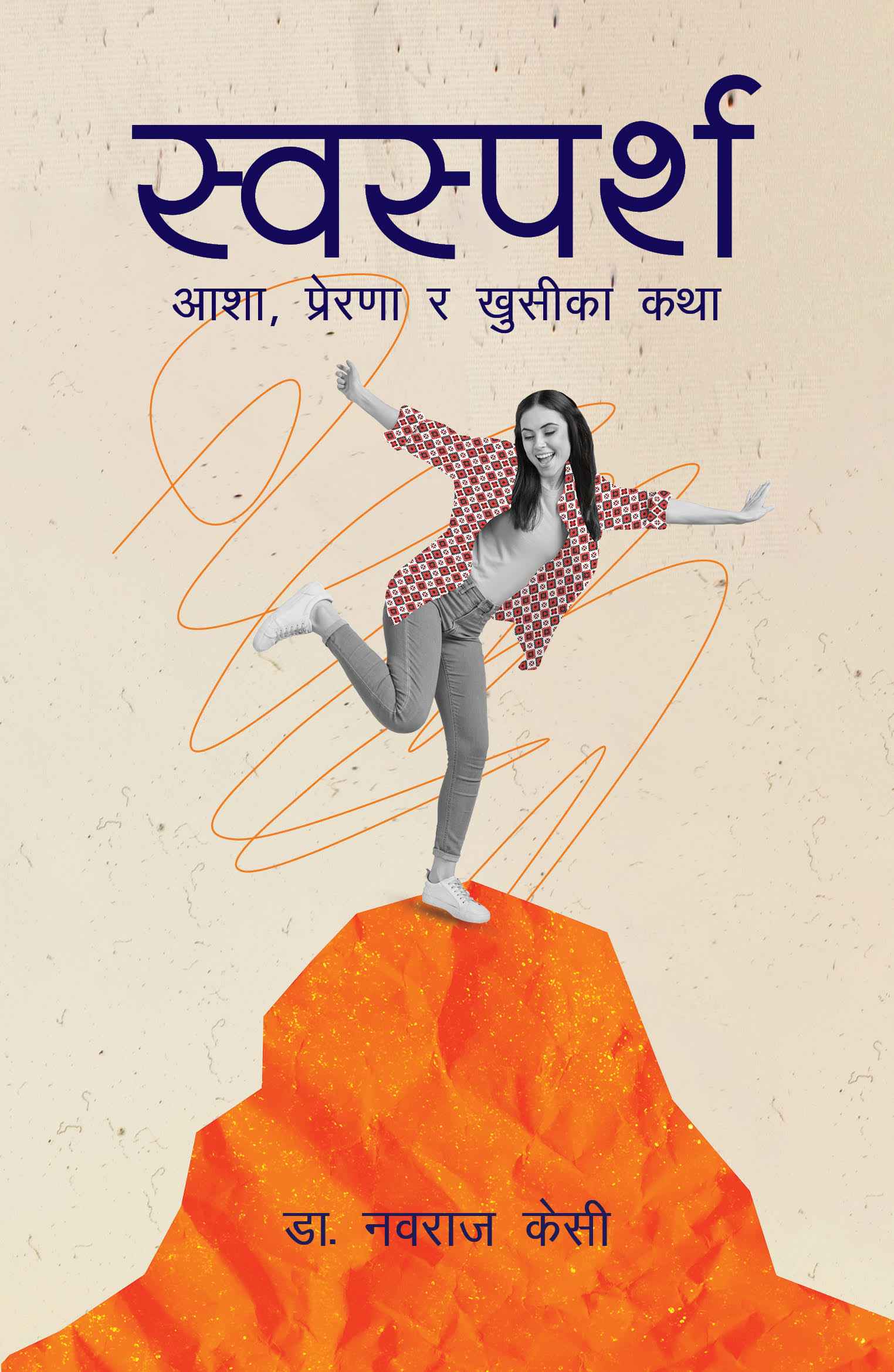
Swasparsha
Author: Dr Navaraj KC
Publisher: Fineprint Books
Year: 2025
‘Swasparsha’ shows how much a doctor can do for society.
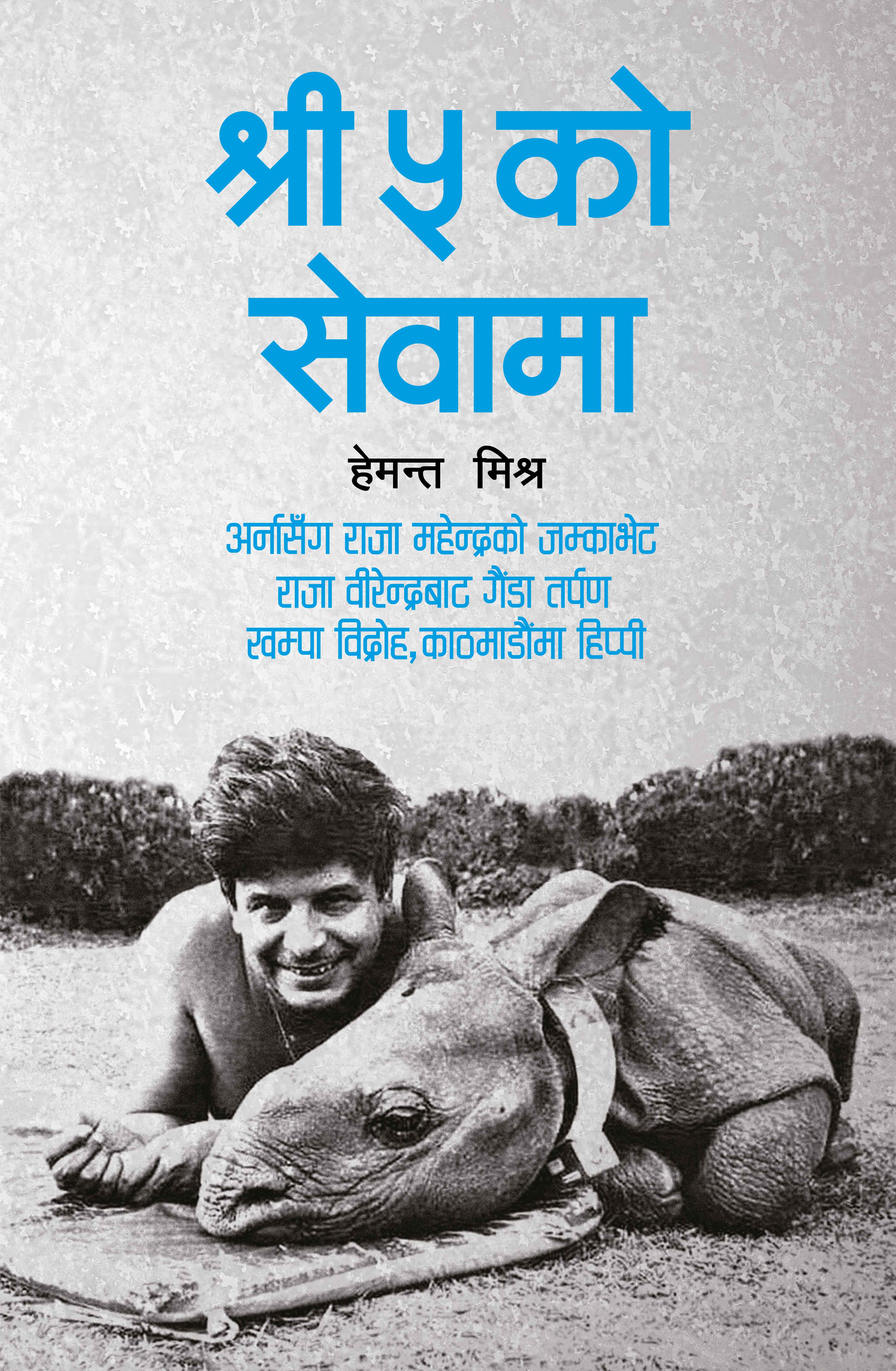
Shree 5 ko Sewama
Author: Hemanta Mishra
Publisher: Fineprint Books
Year: 2024
The book details Mishra’s experiences working in wildlife conservation.
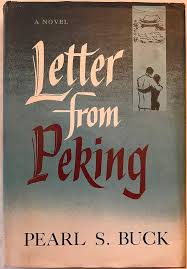
Letter from Peking
Author: Pearl S Buck
Publisher: John Day Company
Year: 1957
This was the first book I read in Grade 8, and it sparked my interest in reading.
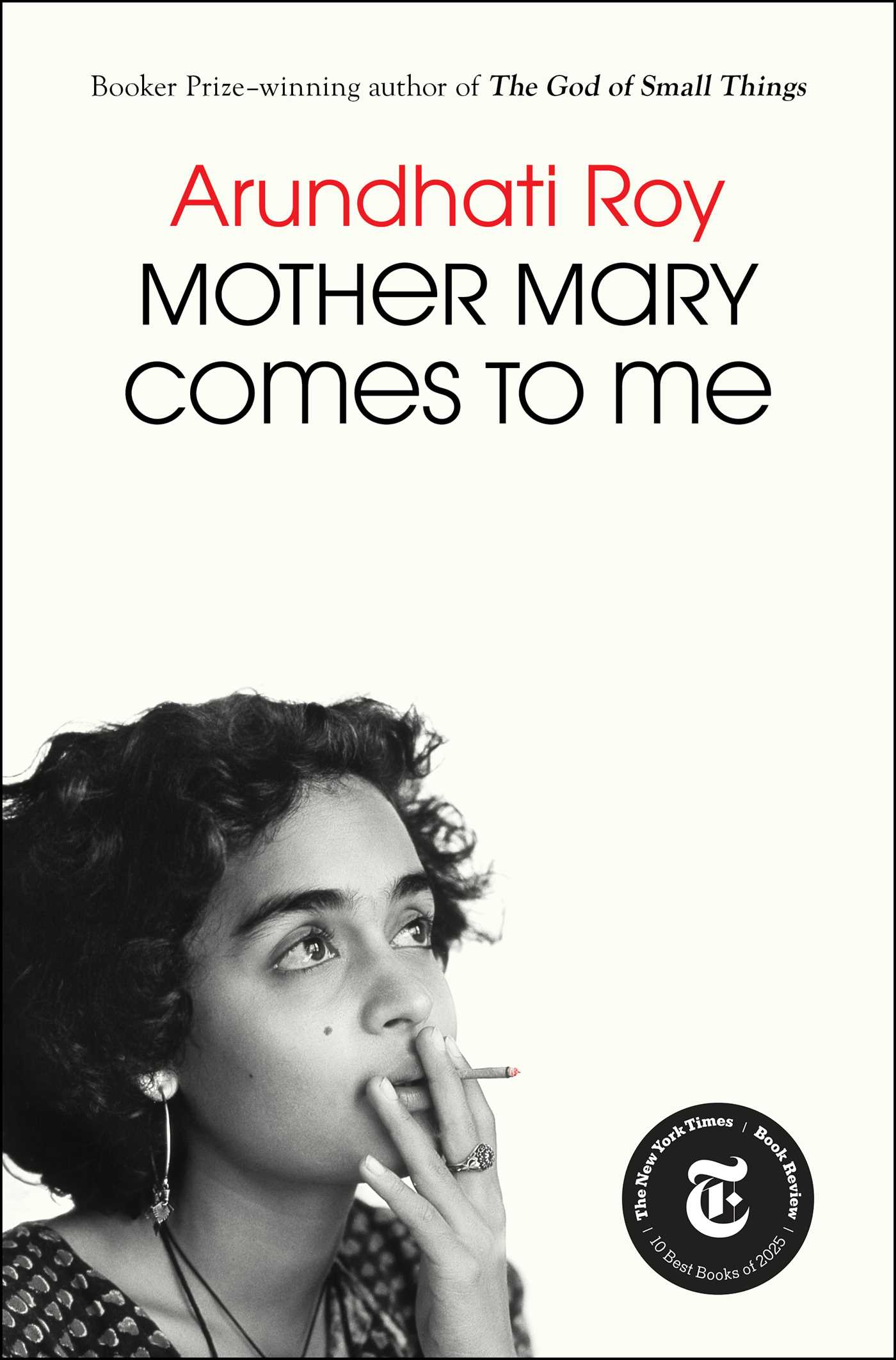
Mother Mary Comes to Me
Author: Arundhati Roy
Publisher: Hamish Hamilton
Year: 2025
Arundhati Roy’s mother’s fight for her daughter’s right to inherit property is inspiring.




 20.13°C Kathmandu