How Arhant Shrestha used photography to get closer to Kathmandu—and himself
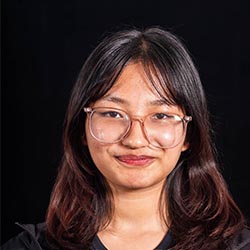
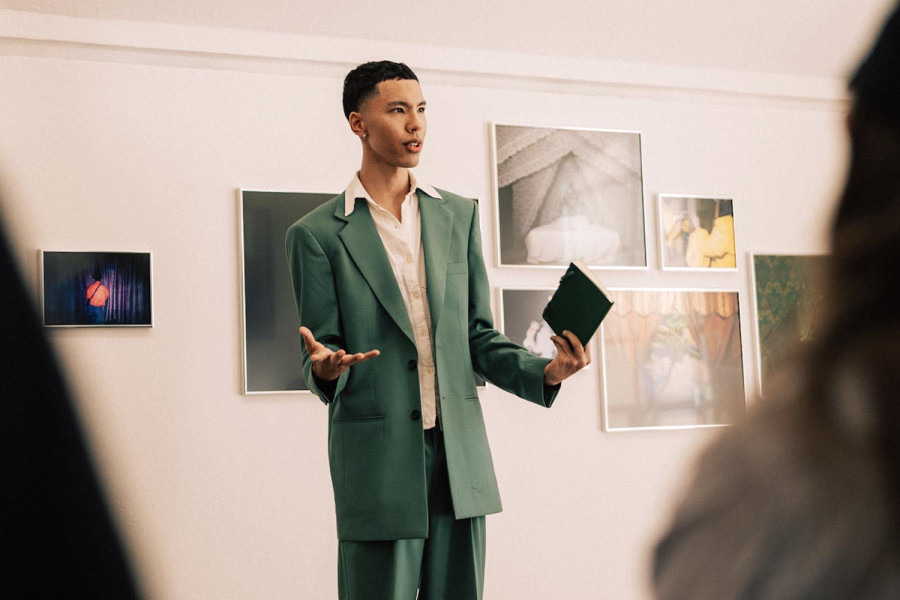
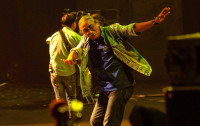
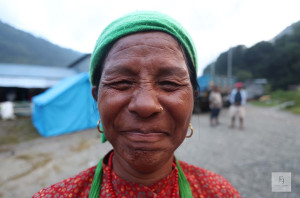
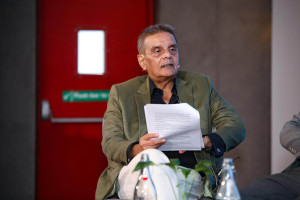
Shrestha’s camera became a way to understand masculinity, revisit childhood memories, and make sense of his relationship with the Valley. Photos: Courtesy of Arhant Shrestha
For Arhant Shrestha, photography has often begun with distance. He has photographed from a place of longing, fear, and, at times, the courage to confront what feels far away.
As a child, he learned about Kathmandu through the windows of a car. The city appeared to him in fragments, and his imagination filled in the gaps.
Years later, after a violent attack left him afraid of men, he found himself creating distance again, this time between himself and members of his own gender.
Photography became a way for him to confront and move beyond that distance.
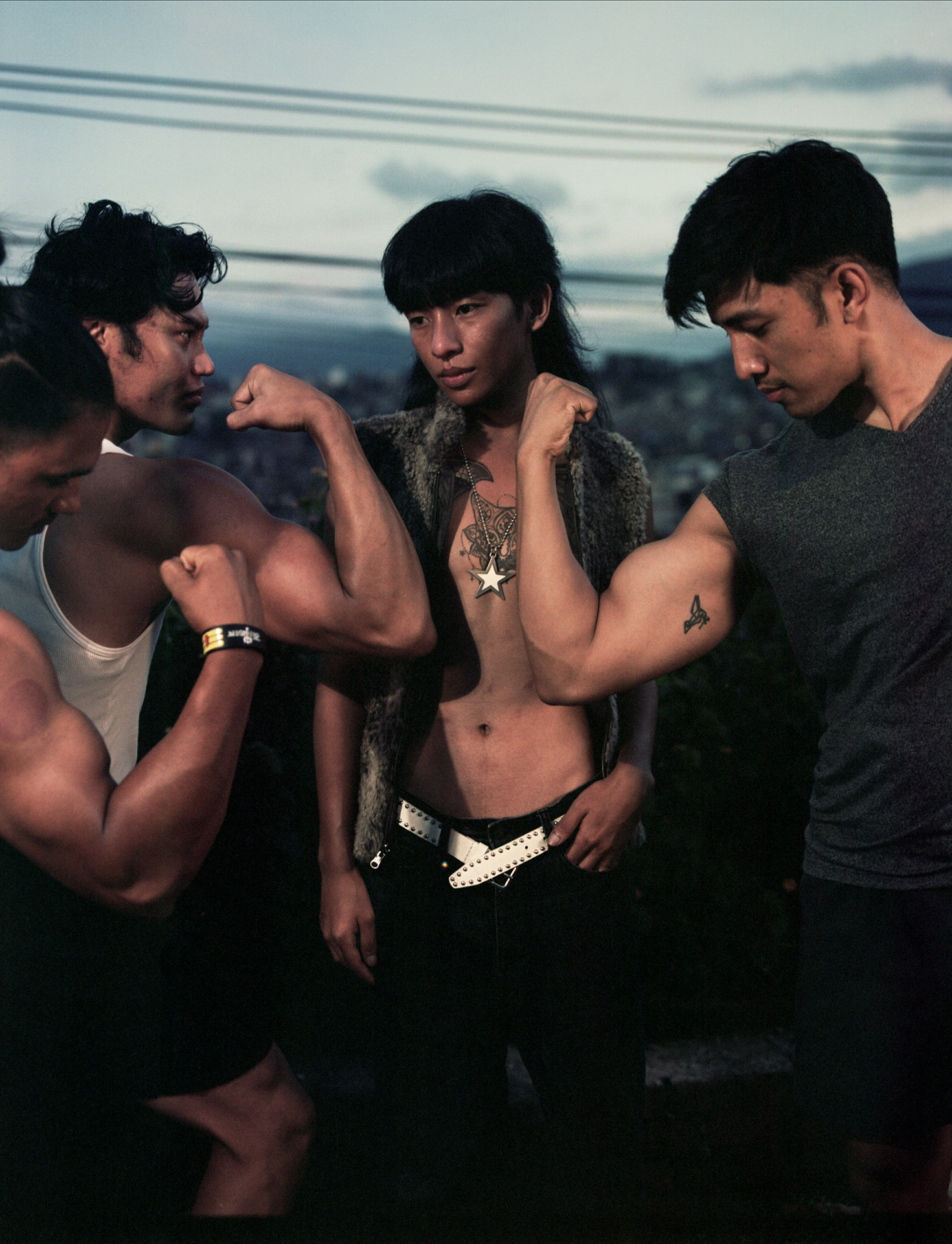
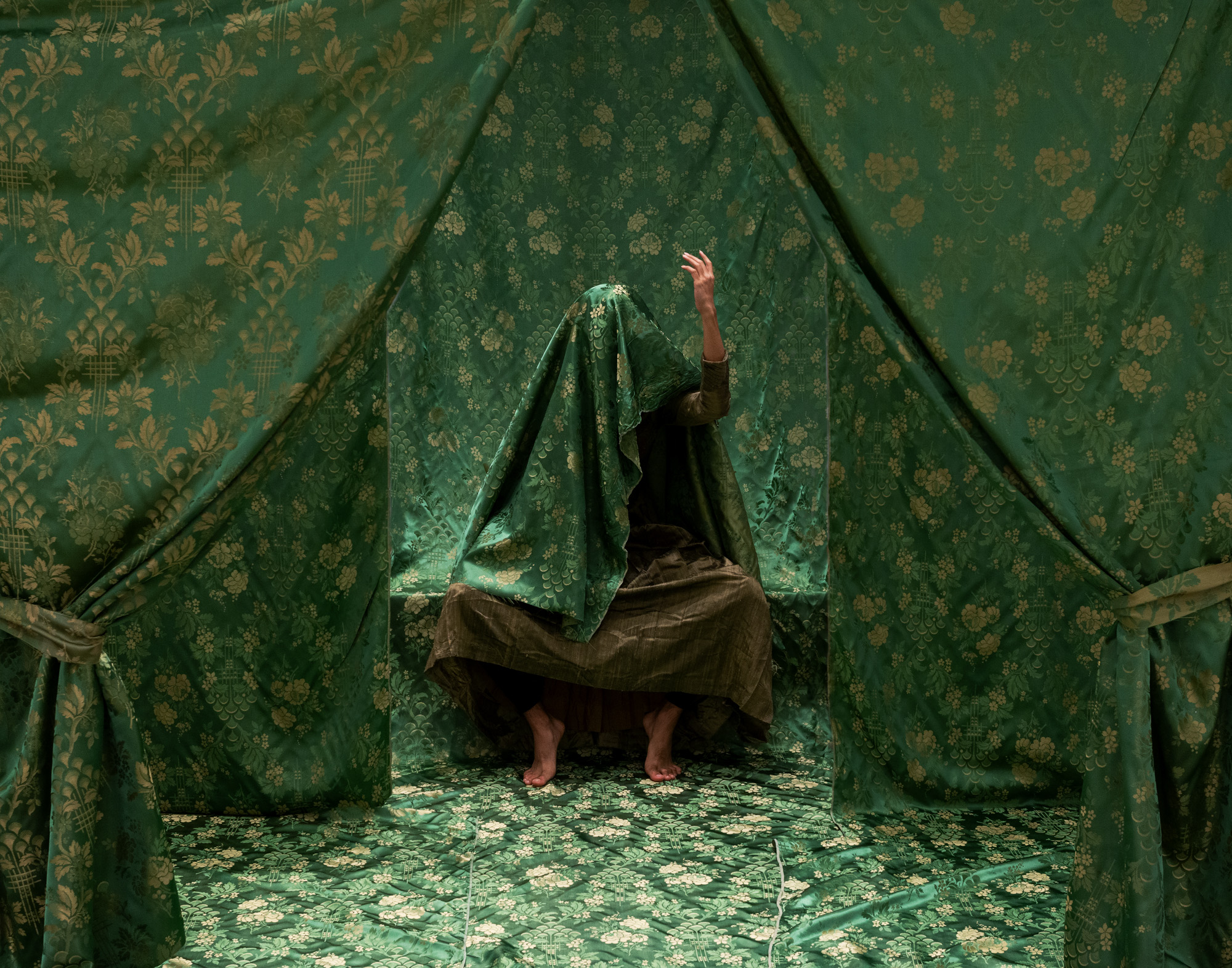
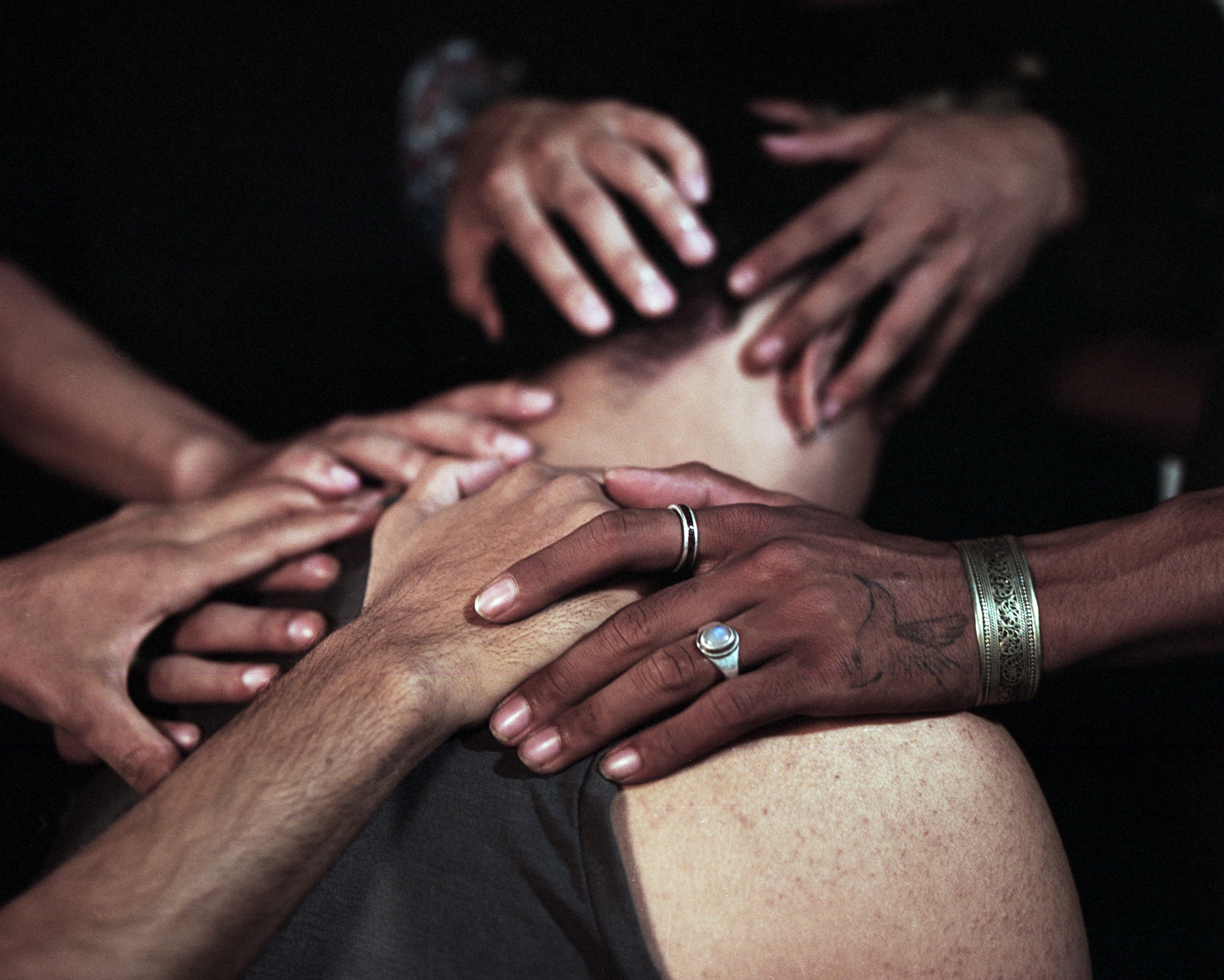
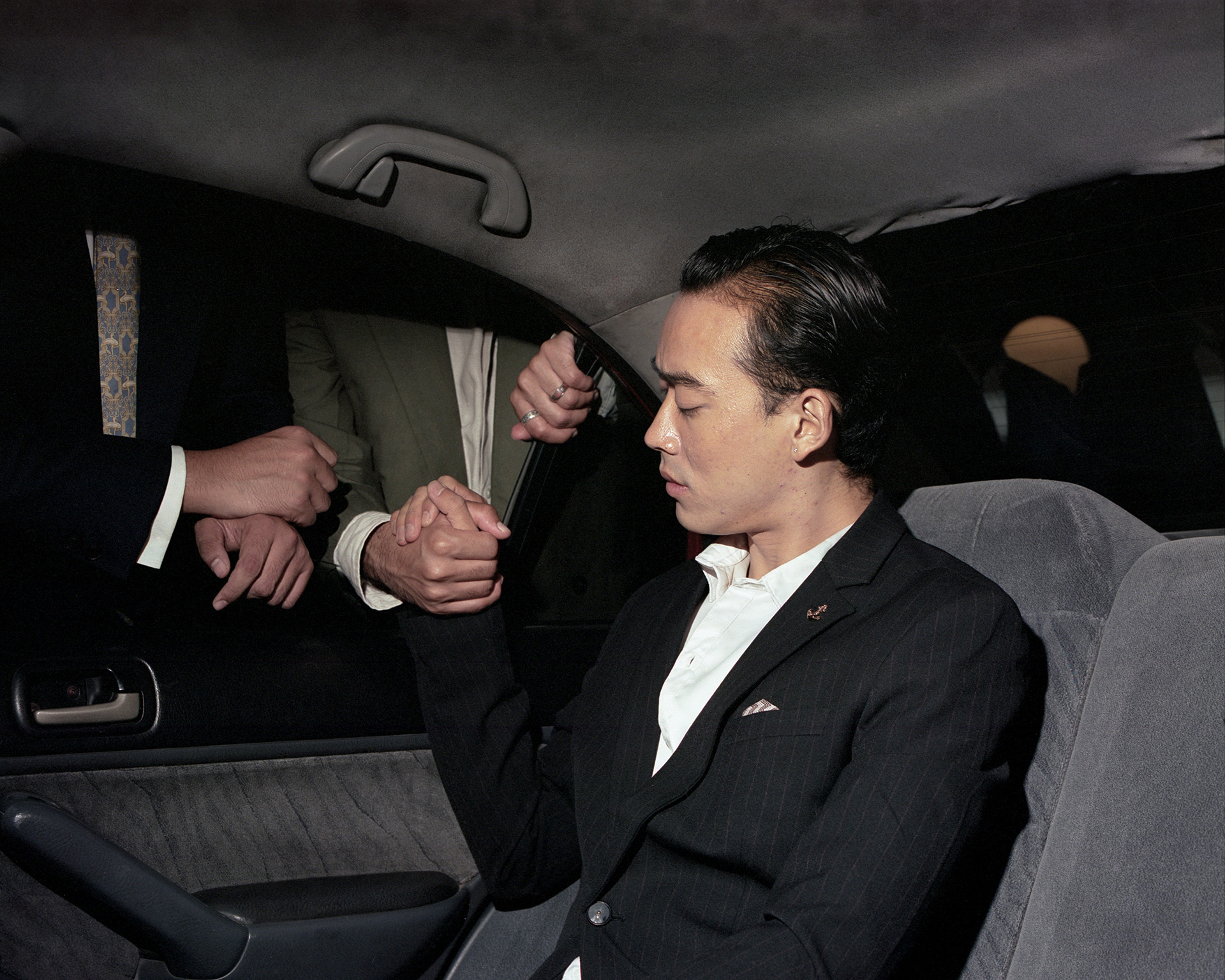
Shrestha’s photographic practice takes root in Kathmandu and in his attempts to understand the city and the people around him. In ‘Between Space and Memory’, he revisits the hazy Kathmandu of his childhood imagination, before the realities of adulthood could replace it. In ‘Loose Fist’, he confronts trauma stemming from a deeply personal experience, photographing men in an attempt to regain comfort in their presence.
The two bodies of work are different in subject and circumstance, but Shrestha sees a common tension between them: watching something from a distance while wanting to be close to it. “This tension is the starting point for both ‘Loose Fist’ and ‘Between Space and Memory’,” he says.
For Shrestha, the impulse to photograph Kathmandu began early. He has been carrying a camera around the city since he was 14, driven by what he describes as a never-ending fascination with its layers.
“I believe that I’ll never be able to fully understand Kathmandu and its people,” he says. “But the pursuit of uncovering as much as I can keeps me driven.”
That pursuit first took a distinctly nostalgic form.
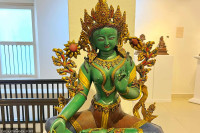
In ‘Between Space and Memory’, Shrestha photographs the city through the eyes of a childhood spent at a physical distance from it. The Kathmandu he imagined was therefore never entirely real.
When he returned to those memories at 20, he was not trying to recreate his childhood literally. Instead, he wanted to photograph the feeling of having yearned for a city he barely understood.
Looking back now, Shrestha does not consider the series a direct reflection of his adolescent mind. Rather, he sees it as his interpretation of that adolescence at 20. Yet he does not believe that makes the work less valuable.
“The need to ‘document’ photographically—and therefore attempt to understand the world around me—lies at the crux of my passion as a photographer,” he says.
That instinct became more urgent after his assault.
In late 2023, Shrestha and his partner were attacked in a violent incident in Kathmandu. In its aftermath, he developed what he describes as a near-debilitating fear of men. An experience involving a small group of people had altered his perception of an entire group.
Rather than withdrawing from the city, Shrestha decided to confront the fear.
He began walking around Kathmandu late at night, photographing the men he encountered. Initially, the photographs were not intended as an artistic project. They were an exercise in exposure; an attempt to force himself back into spaces that had become frightening.
“I wanted to get better,” he says, “and once again find comfort in sharing public and private space with other men.”
There was another option: retreat.
But Shrestha did not want to build his life around avoidance. He describes the temptation to remain protected by loved ones and to retreat permanently from whatever might trigger his fear. For him, however, that would have meant accepting a life narrowed by the experience of violence.
“So, I picked up my camera to blunt-force my way through fear,” he says, “to find myself back in a place where I can exist comfortably with men in this city that I love.”
The process eventually changed not only his fear, but his understanding of the people he had been photographing.
At first, Shrestha says, he saw the men almost as an outsider. Repeatedly photographing them allowed him to recognise emotional complexity and compassion in their masculinity—qualities that his fear had made difficult to see. At the same time, he began recognising anger and a capacity for violence within himself.
The distance between himself and the men around him began to collapse.
“Ultimately, I am just another man, no more or no less than any other man in this country,” he says. By the end of the project, each portrait felt like holding a mirror up to himself.
Once the immediate fear had subsided, Shrestha began thinking about the men in his own life: moments of exclusion alongside moments of affection and support. He staged images based on these memories, attempting to represent masculinity beyond anger and violence.
The resulting photographs include platonic, paternal, brotherly, romantic, and sexual forms of affection.
Shrestha says the original photographic exercise worked. His fear subsided, and he became less physiologically reactive around other men. “So in this sense,” he says, “I suppose saying photography ‘healed’ me wouldn’t be inaccurate.”
Yet his relationship with masculinity had been complicated long before the attack.
As a child, Shrestha experienced exclusion from other boys. Those early experiences grew into what he describes as a “fissure of misunderstanding” between himself and the boys around him. As an adult, he came to see himself as having greater agency over that alienation.
He wanted proximity rather than prolonged victimhood. He wanted community even within the parts of society from which he had felt estranged.
That desire for proximity connects ‘Loose Fist’ to ‘Between Spaces and Memory’.And both use photography as a means of approaching it.
For Shrestha, this is part of what makes photography different from words. A photograph can communicate a feeling without explaining it completely. Even the decision of what to frame, he believes, reveals something about the person behind the camera.
His work does not necessarily attempt to provide definitive answers. He is comfortable with viewers finding meanings in the photographs that he did not intend. “I just make the images,” he says. “There is no ‘ultimate meaning’ to the work.”
Perhaps that openness is fitting for a photographer whose work is so concerned with things that resist clear definition: a city remembered through fragments, masculinity seen through fear and intimacy, and the shifting boundary between being an outsider and recognising oneself in another person.
Shrestha continues to photograph Kathmandu because he does not believe he has finished understanding it. Photography, he says, is how he navigates the world—a language more attuned to his emotions than written words.
For him, then, making a photograph is more than preserving what he sees. It is a way of getting closer.




 20.13°C Kathmandu