



 20.73°C Kathmandu

Mon, Oct 12, 2026
Culture & Lifestyle
Jack Dai and the search for the ‘real Nepal’
The British travel creator has become one of the country’s most recognisable online personalities by telling the stories of rural communities in their own language.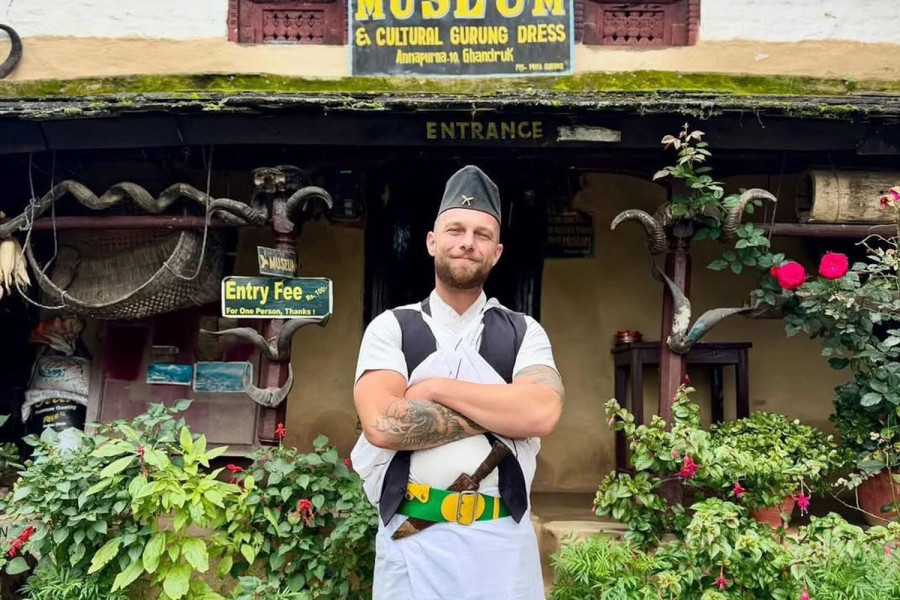
bookmark![]()
‘The real Nepal, in my eyes, is something you only really see in the rural villages,’ he says. ![]()
![]()
Baala Shakya
Published at : July 6, 2026
Updated at : July 6, 2026 06:57
Pokhara
In one video, he stands in an open field with a guitar, singing into the wind. In another, he carries a doko on his back, laughing through the strain of a task familiar to rural Nepalis but unusual for a British travel vlogger. Elsewhere, he walks into remote villages, sits with grandmothers for a cup of chiya, joins local men collecting pine needles beneath Nilgiri, follows honey hunters into the cliffs of Baglung, and speaks with villagers in fluent Nepali.
Online, he is known simply as “Jack Dai.”
Over the past two years, the 32-year-old Briton has become one of Nepal’s most recognisable travel creators, building an audience by documenting the people, traditions, and landscapes that lie far beyond the country’s familiar trekking routes. While many foreign creators focus on Everest Base Camp, the Annapurna Circuit, or luxury resorts, Jack Turner points his camera elsewhere, filming in village courtyards, roadside tea shops, and at community festivals. His videos often feature conversations that unfold naturally in Nepali between strangers across Nepal.
His audience has responded. Across Facebook, TikTok, Instagram and YouTube, Turner has amassed more than 632,000 followers, most of them Nepali. His documentaries and travel videos regularly take viewers into places such as Bhujung, Gumda, Myagdi, Panchase, and Mustang, or into traditions like the Bhume Mela and Himalayan mad honey hunting. His videos have become recommendations in themselves.
Viewers frequently message him suggesting villages to visit, while others say they have travelled to places they first discovered through his channel. Some Nepalis working overseas have even told him his videos inspired them to return home and explore parts of their own country they had never seen before.
His popularity still catches him off guard. “I’ve been in a hut at 4,600 metres, sleeping on the floor, and the gothalo knew who I was from TikTok,” Turner recalled, laughing. “It blew my mind that this shepherd with a bunch of sheep suddenly says, ‘Jack Dai’. I thought, ‘How do you know who I am?’”
The encounters happen almost everywhere now. Children shout his name from trails. Villagers stop him for photographs. Homestay owners invite him inside before he can even introduce himself. Yet what surprises many people isn’t that they recognise him, but that when they begin speaking, he answers in fluent Nepali.
“I’ve been to villages where people had clearly never seen a foreigner before,” Turner says. “They’re already shocked. Then you speak a little Nepali, and it creates this incredible moment. It breaks down the barrier immediately.”
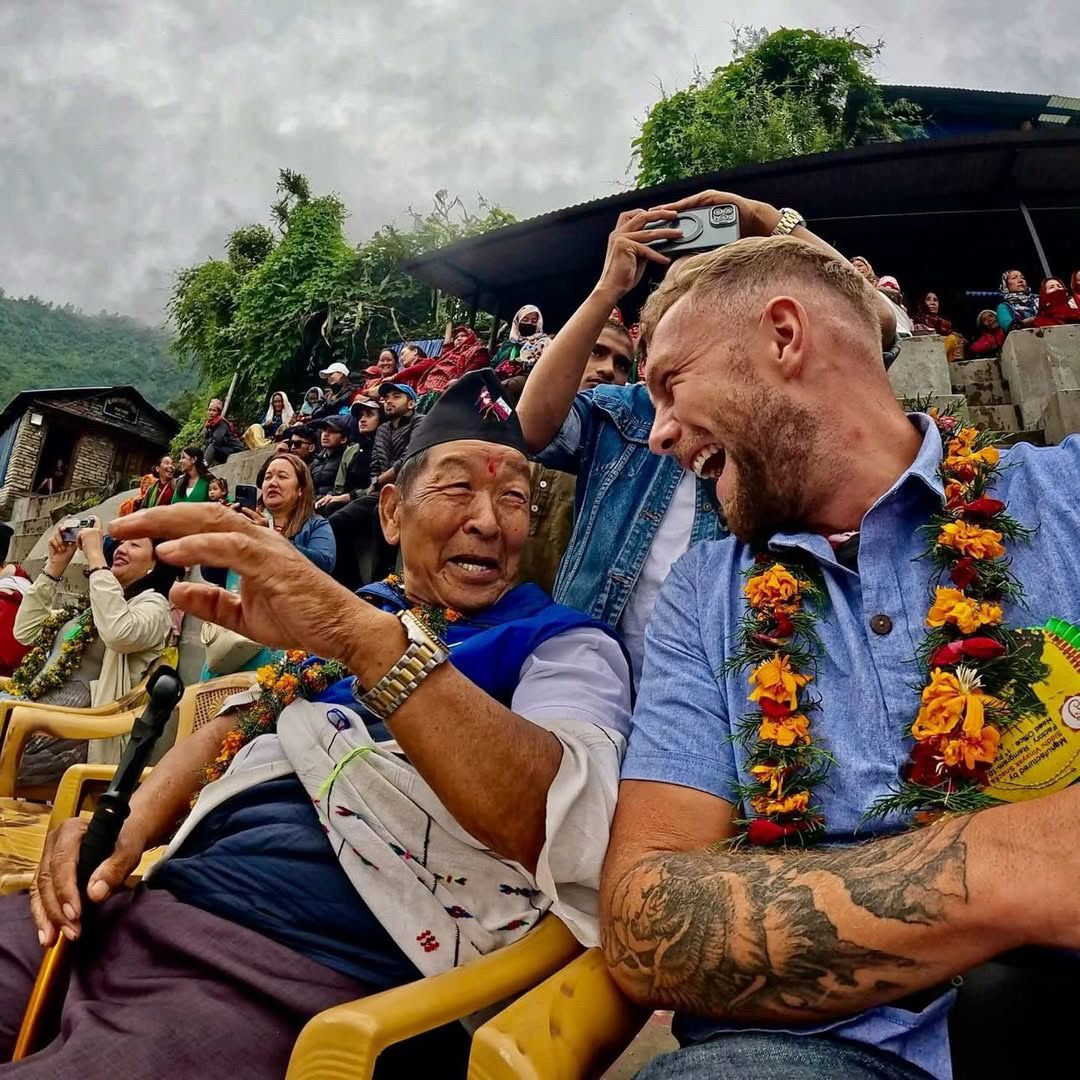
Turner’s videos are an invitation into everyday life in Nepal. Turner jokes with elderly women as they prepare food, helps farmers carry loads, learns traditional songs, sleeps in family homes and follows villagers through the routines that shape their lives. The videos feel spontaneous because they are.
His unique approach has earned him an unusual place in Nepal’s crowded social media landscape. He is neither a foreign influencer passing through nor a Nepali creator documenting his own heritage.
“I think I can tell stories in a different way,” he says. “I’ve come from a completely different culture and upbringing. There are things foreigners appreciate that Nepalis don't always realise. A lot of Westerners see beauty in an old stone house or a village that's been there for generations.”
Turner grew up in Eastbourne, where stories of Nepal were already familiar. His father had travelled to the country since the 1970s, organising mountain running races and helping Nepali athletes compete abroad. Turner first visited at ten and returned repeatedly through his teenage years. Drawn by the mountains, the music scene, and the slower pace of life, he eventually decided he wanted to build a life in Nepal.
“I preferred the life here,” he says. “After one of those visits, I kind of caught the bug. I made it my life’s mission to keep coming back and find a way to live here instead of in England.”
After several failed business ventures in Nepal, including farming and plans for a trekking company, he bought a camera to promote the business. The trekking company never took off, but the videos did.
Turner, despite speaking fluent Nepali, never took language classes. He learned the way many children do by listening, repeating, and making mistakes. Over the years, the language became more than a way to order food or ask for directions; it became the reason strangers invited him into their lives.
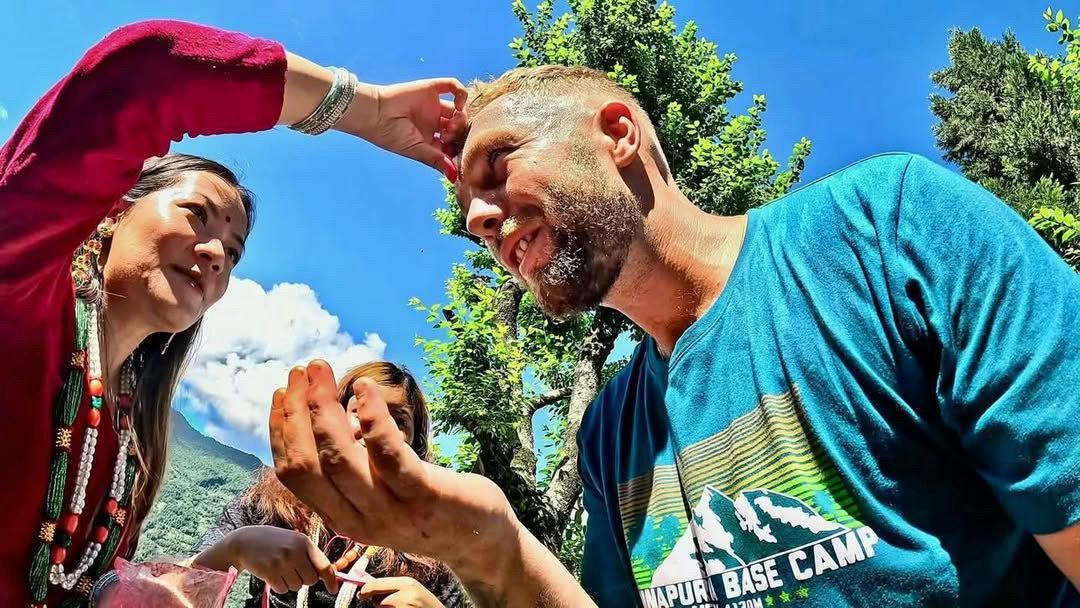
Unlike many travel creators, Turner usually travels alone. He has found that arriving with a Nepali guide changes the dynamic. Villagers assume the guide will speak on his behalf. When he arrives by himself, curiosity takes over. He also believes that trust comes before the camera.
“If I walked into a village and asked someone to wear a microphone for an interview, they’d feel uncomfortable,” he says. “But if I sit down, have tea with them, make them laugh and become their friend first, then the interview becomes much better.”
That approach has also shaped the way he thinks about Nepal itself and what he means when he says he is showing the “real Nepal” through his videos.
“The real Nepal, in my eyes, is something you only really see in the rural villages,” he says. “The trekking routes are incredible, but many of them are built around tourism now. True Nepal is the people who have stayed in the village for generations.”
Over the past two years, however, another pattern has become impossible for him to ignore. Village after village, Turner meets older residents whose children and grandchildren have left to work overseas.
“I’ve met farmers who are so happy living in their village with their family,” he says. “But they need to go abroad because of family or financial pressure. I’ve spoken to people who have cried because they’re sad to leave their heritage.”
Those conversations have gradually changed the purpose of his work. In the beginning, Turner simply wanted to make entertaining travel videos. Today, he sees something more lasting.
“If I go to these rural communities and capture culture that’s only seen there,” he says, “that can become a historical document.” He worries that many of the traditions he films may not survive another generation if migration continues and younger people leave.
Rather than presenting these places as hidden curiosities or exotic destinations, Turner hopes his documentaries preserve everyday moments before they disappear. The songs sung during village festivals. The stories shared over tea. The dialects spoken by grandparents. The routines of communities that have changed little for decades.
He has heard from Nepalis living abroad who say his videos remind them of home, and some have even returned to Nepal to visit places they first discovered through his channel. For Turner, those messages have become some of the most meaningful feedback he receives. “They’re not just seeing a place,” he says. “They’re seeing their heritage.”
His recent documentary on Himalayan mad honey hunters marked an important step in that direction. After travelling to Baglung with British filmmaker Harry Oliver, Turner realised the story extended far beyond the dramatic cliffside harvest. The hunters explained that proceeds from the honey help fund roads, walking trails and clean drinking water in their village.
“We realised there was a bigger story on our hands than just honey hunting,” he says.
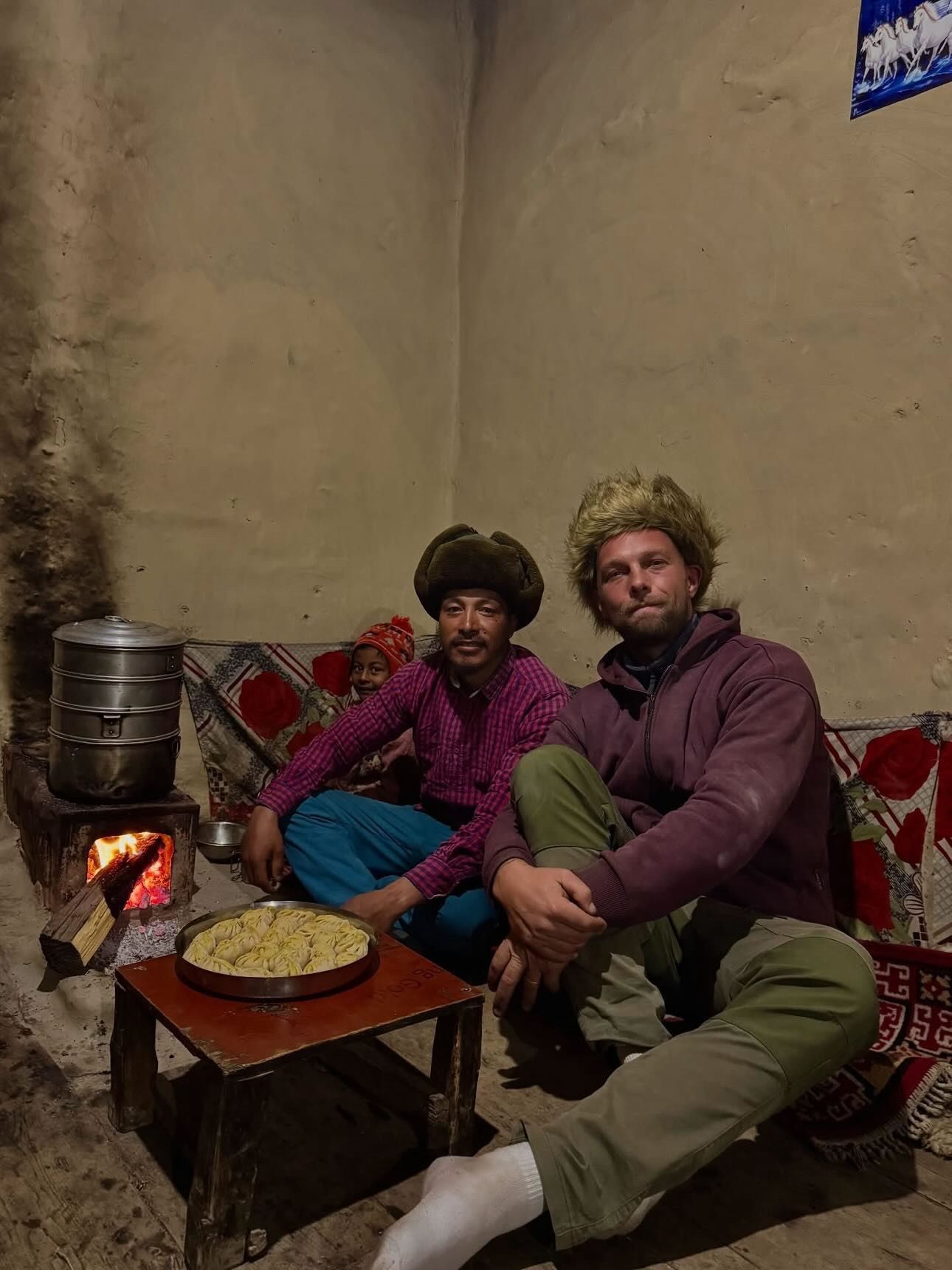
The project convinced Turner that filmmaking is where he wants to go next. “I’d love to have four or five people, a decent jeep and do it properly,” he says. “Really build stories.”
That ambition also draws on another lifelong passion: music. Turner hopes to one day compose original orchestral scores for his own documentaries, combining storytelling, filmmaking and music into a single craft.
He hopes future documentaries will allow him to combine those worlds: storytelling, cinematography and original scores. “If I can do that successfully,” he says, “there wouldn’t really be anything missing in my life.”
Even as his productions become more polished, Turner insists he does not want to lose the spontaneity that attracted viewers in the first place. “I don’t want to become a presenter,” he says. “I just want to do it my way.”
Although Turner estimates that around 90 percent of his audience is Nepali, he has recently begun speaking more English in his videos.
The change has prompted mixed reactions. Some longtime viewers worry he is leaving behind the audience that helped build his channel. Turner understands the concern but says the shift reflects a broader ambition, as he sees an opportunity for Nepal to rethink how it promotes itself.
He supports the growing use of social media creators to attract tourists, but argues that the country’s greatest storytellers are often already living in the places visitors hope to discover.
Rather than flying influencers in for a few days, Turner imagines supporting young creators in rural Nepal with equipment, training and modest funding so they can document their own communities year-round.
“The only people who can really show that place properly are the people who live there,” he says. “They know everyone. They know all the stories.”
Baala Shakya
Shakya worked as an intern at the Post.




Most Read from Culture & Lifestyle

It’s a bird … it’s a plane … it’s the Indian ambassador’s farewell tweets
‘Tenzing’ puts the Sherpa at the centre of the Everest story
How should Nepal navigate a world in reorder? Rajib Upadhya on geopolitics and foreign policy

How Anup Poudel took Nepali cinema to Cannes
A Nepali photographer rediscovers Calcutta after decades
Editor's Picks

Constitutional Bench caught in seniority, ‘pick and choose’ dispute

A Dom boy’s long road to becoming a doctor

From blankets to handmade dolls, two foreign women bring comfort to flood survivors

News Analysis: When institutional defence exposes institutional fault lines
It’s a bird … it’s a plane … it’s the Indian ambassador’s farewell tweets
E-PAPER | October 12, 2026

×