Karuna Paneru’s new children’s book, ‘Tihar in Patan’, follows an eight-year-old girl navigating gender expectations. Photos: Courtesy of Sanidhya Amatya
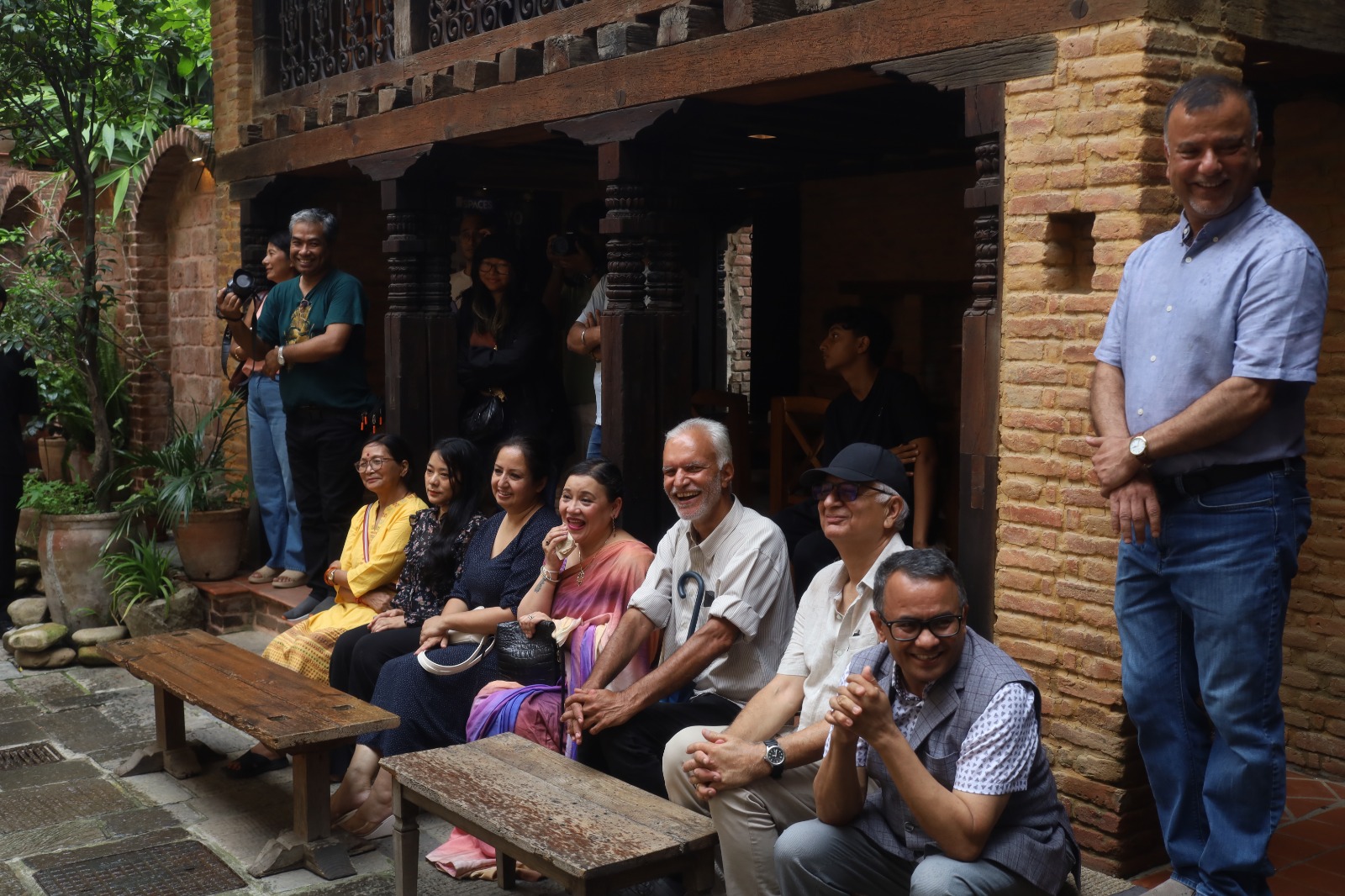
KaruBooks launched Karuna Paneru’s third children’s book, ‘Tihar in Patan’,at The Inn Cafe in Patan Dhoka on Saturday.
Having written her first book, ‘The Animal Adventure’, at the age of seven, Paneru, in her third book, explores themes of inclusivity for women in Nepal’s age-old festivals and cultural celebrations.
“I draw from the experiences of older women in my family. Talking to my mother and aunts inspired me to write about growing up in Nepal’s patriarchal society,” she says.
The book is set in 1970’s Patan during Tihar, the author’s favourite holiday.
“When we sit down for the festivities, we are expected to sit according to age. But if I have a younger male family member, he will be seated ahead of me. This made me ponder the social expectations placed on women. These thoughts and conversations inspired me to write this book,” said Paneru at the launch.
The children’s book, alongside Paneru’s storytelling, features engaging illustrations by Bhawana Tulachan, who previously worked with Room to Read Nepal, Save the Children and Kathalaya, among others.
The book launch was attended by Paneru’s family, friends, well-wishers, educators and writers.
Former Nepal’s Ambassador to Denmark, Sumnima Tuladhar, who attended the book launch as the chief guest, commended Paneru on her writing and shared that she found many aspects of the story relatable and touching. Tuladhar is a founding member of AATWIN (Alliance Against Trafficking in Women and Children in Nepal).
The book centres on eight-year-old Sani, whose participation in her favourite holiday is marred by the imposition of social standards. She realises these impositions run counter to her own expectations for her life and future.
In the end, Sani finds the support she needs from liberal and progressive members of her family.
The book will prompt young readers to question existing social structures and their consequences. Along with that, the story celebrates the many joyous aspects of culture that young readers ought to take into the next generation while discarding the bad.




 16.94°C Kathmandu