When Thangka meets streetwear, a slow-fashion experiment is born
A German art student and a Nepali designer turn their friendship into Divine Pop, a brand blending pop culture and upcycled fashion. Katharina Schanderl and Grishma Giri Photos: Provided to the Post
From entirely different worlds, Grishma Giri and Katharina Schanderl cross paths in a Thangka painting class, where an unlikely friendship begins to take shape.
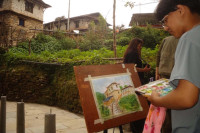
Schanderl, an art studies graduate from Germany, came to Nepal in 2020, hoping to learn Thangka, a sacred art form. There she met Giri, whose uncle ran the shop where Schanderl was a disciple. Over those nine months, their friendship gradually developed, and for Schanderl, a deep appreciation for Nepal’s bustling environment and rich artistic heritage also grew.
Even after she left for Germany, the memories of her time in Nepal and exposure to Thangka—which she describes as the beginning of a patient and therapeutic art journey for her—never faded. When she came back again after a year, the two friends realised they shared the same ideologies on art, sustainability and fashion.
They instantly clicked through this shared vision and, despite the distance, continued to develop ideas and officially named the brand Divine Pop: DVNE POP, launching their first line in August 2025.
The word ‘Divine’ comes from Nepal’s spiritual and cultural roots, while ‘Pop’ is the art form that reflects the brand’s colourful identity through pop art.
Pop art challenges the established norms of art, drawing inspiration from everyday objects such as comic books and posters. For Divine Pop, this art form, along with mixed media and collages, remains central, as seen in the use of small posters and icons of gods and goddesses.
After their first launch, they launched an online shop at the beginning of 2026.
For Divine Pop, the art inspiration behind their products is not limited to just one subject, but at the core lie women, Hindu deities and Nepal’s rich cultural backdrops from Pashupatinath to mountainous landscapes, reimagined through bold colours and imaginative collages.
One of the accessories in their collection is an upcycled leather purse that also serves as a passport holder. The layered motifs that were made from collage and digital art by the German artist display elements of Himalayan landscapes, temples and faces of Nepali people. The printed collage is on the bottom of the leather's transparent layer, giving the accessory a textured and visually layered appearance.
Their graphic clothing, which includes streetwear t-shirts, is digitally painted and inspired by South Asian women’s portraiture, reimagined with elements that evoke Nepal, such as marigold flowers. Heavy maximalist collage art informs the streetwear’s contemporary fashion aesthetic. Through its culturally expressive visuals and neon colours, the design appears more like wearable art.
In their products, a visually striking artwork is of a Sadhu. Through the artist’s vivid, detailed depiction of Sadhus, the work draws on Nepal’s spiritual symbolism and identity, turning such images into part of the art.
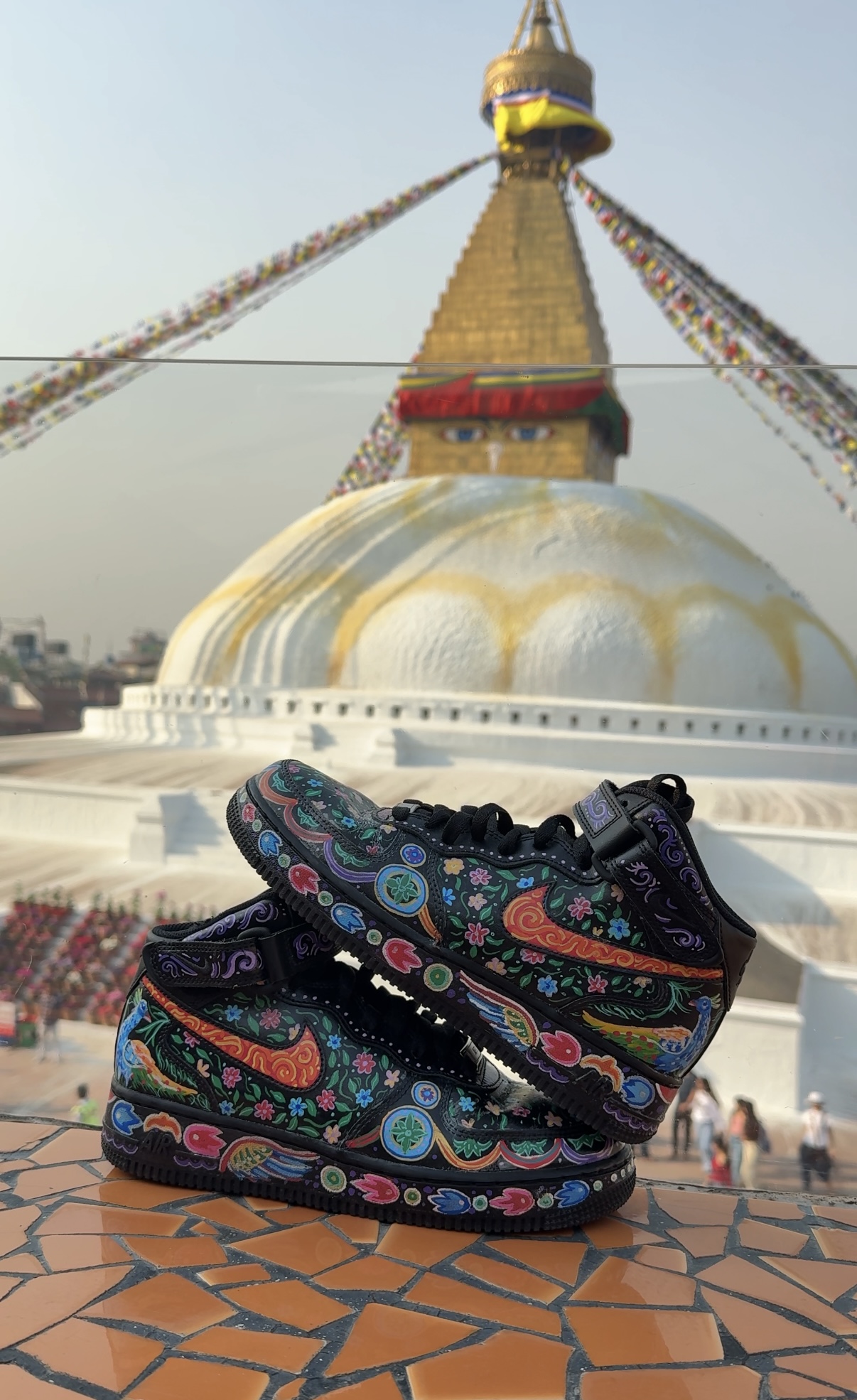
Additionally, their product line also extends to customisable clothing. For example, the hand-painted Kali leather jacket features the Hindu goddess Kali painted directly on the leather.
“For art inspirations and muses, Katharina does her paintings on the premises of temples, visiting there for a number of days,” says Giri, discussing how art is meticulously prioritised in their work.
Upcycling plays a big role in their products. “The leathers that are thrown away because they cannot be used anymore go into our purses; that is how we add sustainability in fashion,” says Schanderl.
She mentions that there is still scepticism among some people when they hear the term ‘upcycling’. Although this perception is slowly dismantling, Divine Pop also makes an effort to help people get comfortable with this idea through workshops that teach how to turn their old materials into something brand new. There is just one requirement for them, though: to bring an old piece of clothing or accessory they no longer use.
Similarly, she believes that art can be created anywhere; you do not need the newest canvas or the best colours; you can make art using only trash, a concept that offers an environmentally conscious route to fashion.
Before creating any piece of customisable clothing, extensive research into the symbolism of cultural elements is conducted to ensure that no cultural appropriation occurs.
Schanderl also attended one of the most celebrated fashion events, Berlin Fashion Week 2026, thanks to DivinePop.
“They saw the kind of work our brand was putting out and invited our brand as a guest. Although Grishma couldn’t make it, I hope that in the future we can go there together and present our clothes and accessories,” shares Schanderl.
After the brand’s first launch nearly sold out, they are currently researching and gearing up for their second product launch. The gap between the launches is necessary for Schanderl to develop different ideas and for Giri to handle their logistics.
“People are always questioning why we do not speed up our launches and ideas, but our objective from the get-go was to create a slow-fashion brand that is curated with a lot of research and effort it takes for the art to finish,” expresses Giri, talking about how their brand cannot be an addition to the ongoing fast-fashion trend.
Along with fashion, their priority is to serve underserved local women artisans. The sewing for their leather purses was done entirely by Nepali women, supporting both their work and the brand’s objective of creating handmade products.
Now, they mainly have a huge European audience, including Germany, Austria and Hungary. Also, both co-founders hope for the same thing: Nepali people appreciating their incorporation of cultural art in fashion. Together, they are also planning to present their work to a larger Nepali audience through stalls and pop-ups.




 14.59°C Kathmandu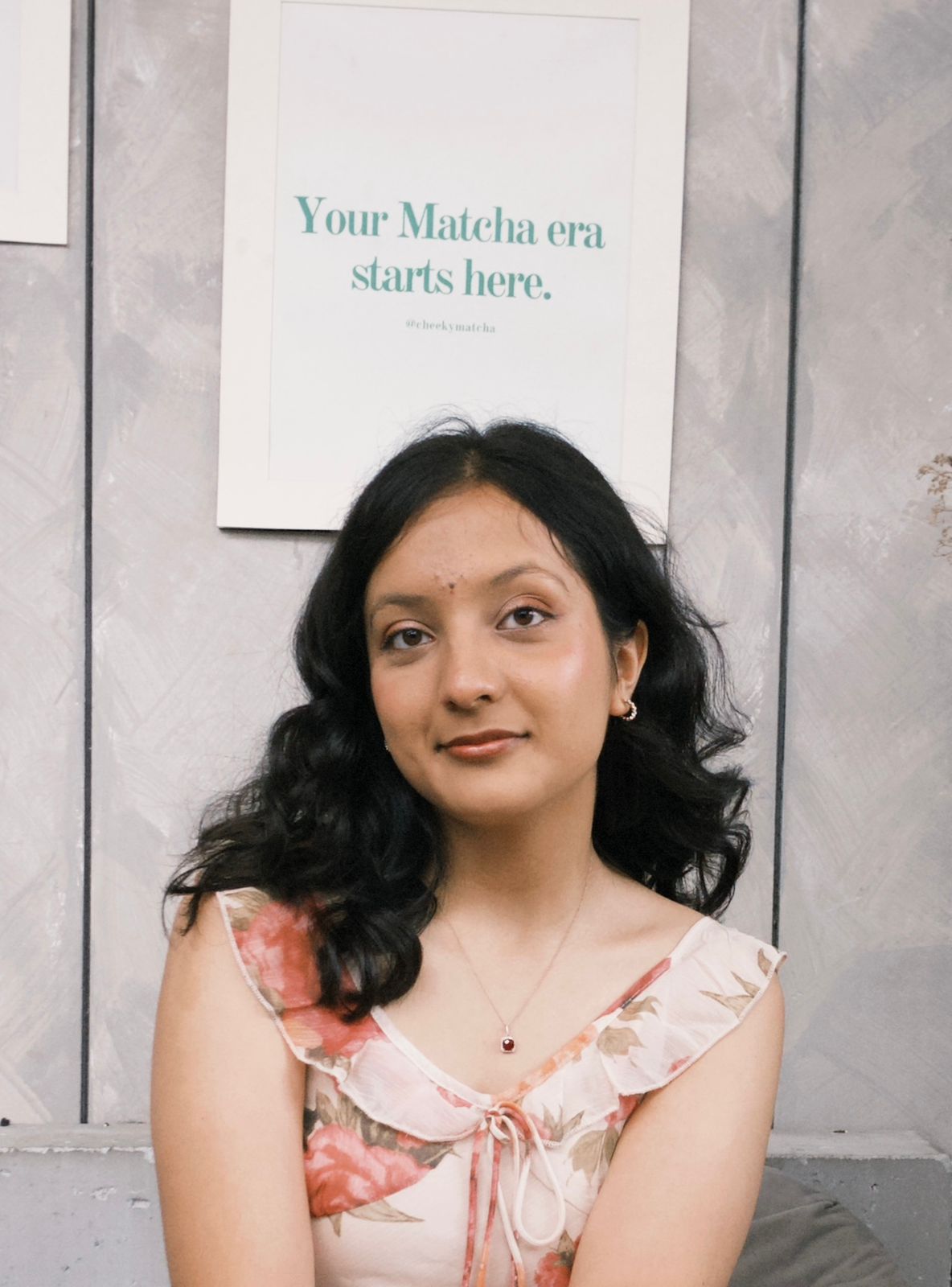


.jpeg)