Through Heart of Nepal, Aishworya Shrestha works alongside marginalised communities to strengthen education, livelihoods, and women’s leadership on their own terms.
Growing up in a family deeply engaged in social justice, Aishworya Shrestha was familiar with the notion and conversations about inequality, injustice, and social responsibility from an early age.
Understanding her father’s work as a woman and child rights activist, and her mother’s as a former social studies teacher, she developed awareness of the disparities that shape people’s lives before entering the field herself.
“I grew up knowing that not everyone had the same opportunities,” she says. And along with these conversations and exposure, she decided to stop being a bystander to marginalisation.
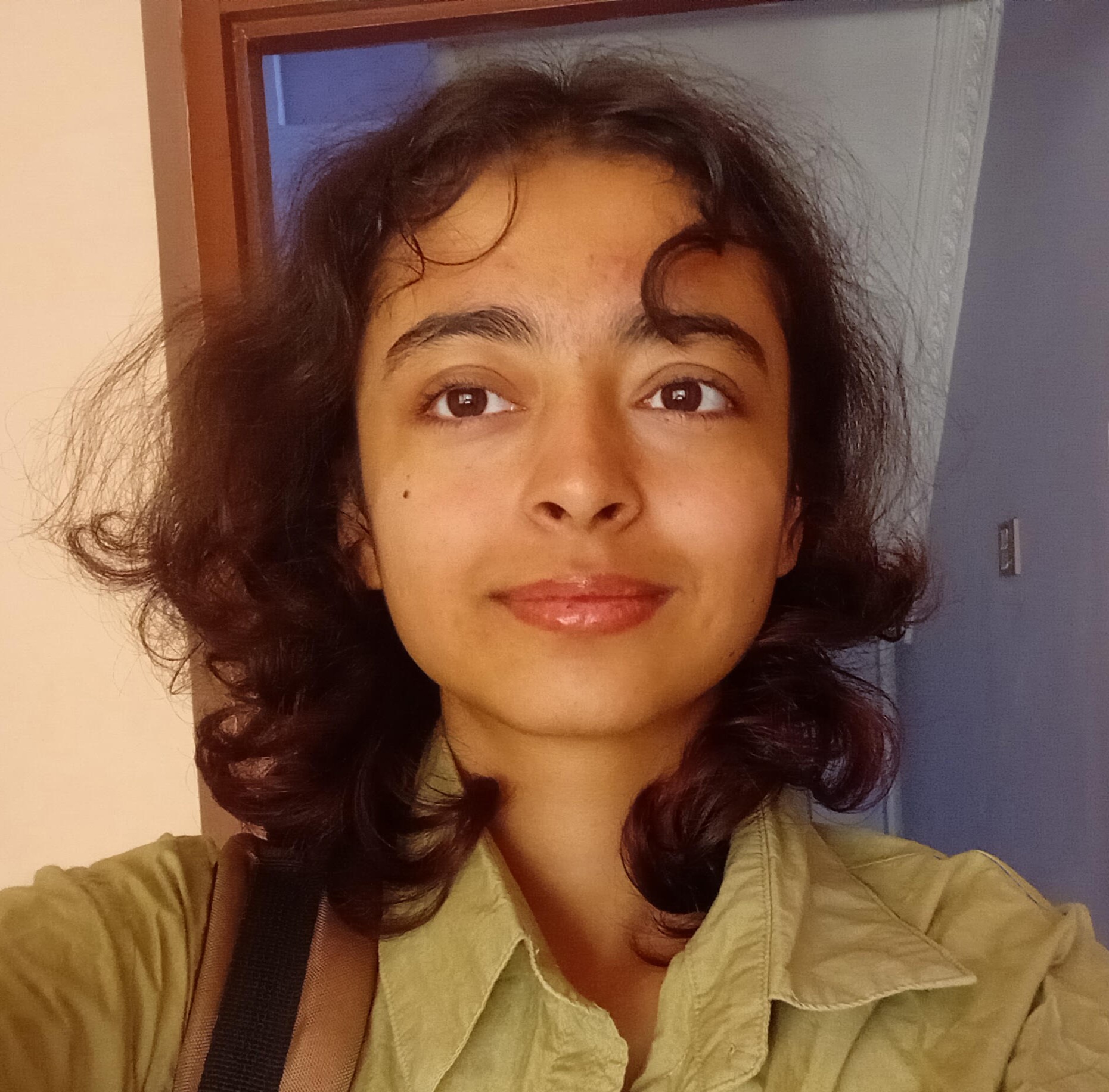
Today, Shrestha is a social worker and social science researcher from Nepal. She is a PhD student in Social Work at Columbia University, where her research focuses on gender-based violence prevention, survivor-centred approaches, and community-led development in low-resource settings.
Having worked with several NGOs while travelling across Nepal, she recalls how they challenged many of her assumptions about development. “Everywhere I went, I kept seeing the same thing,” she says. “I would meet a child who was struggling in school, but the issue was not really education. The family was hungry. Or the mother was experiencing violence. Or the parents had migrated for work. Or there was no income coming into the household. The more I travelled, the more I realised that social problems are deeply interconnected.”
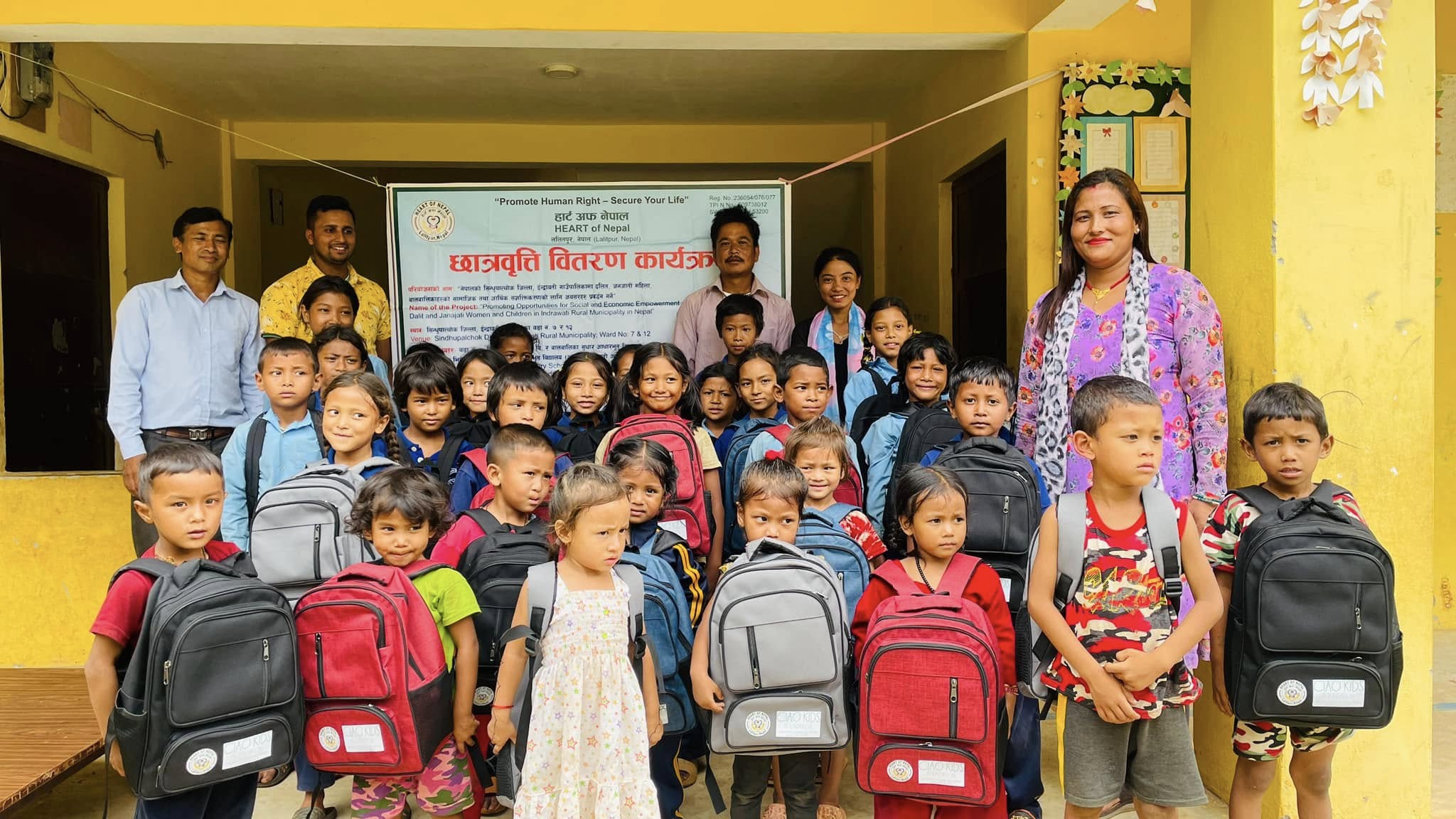
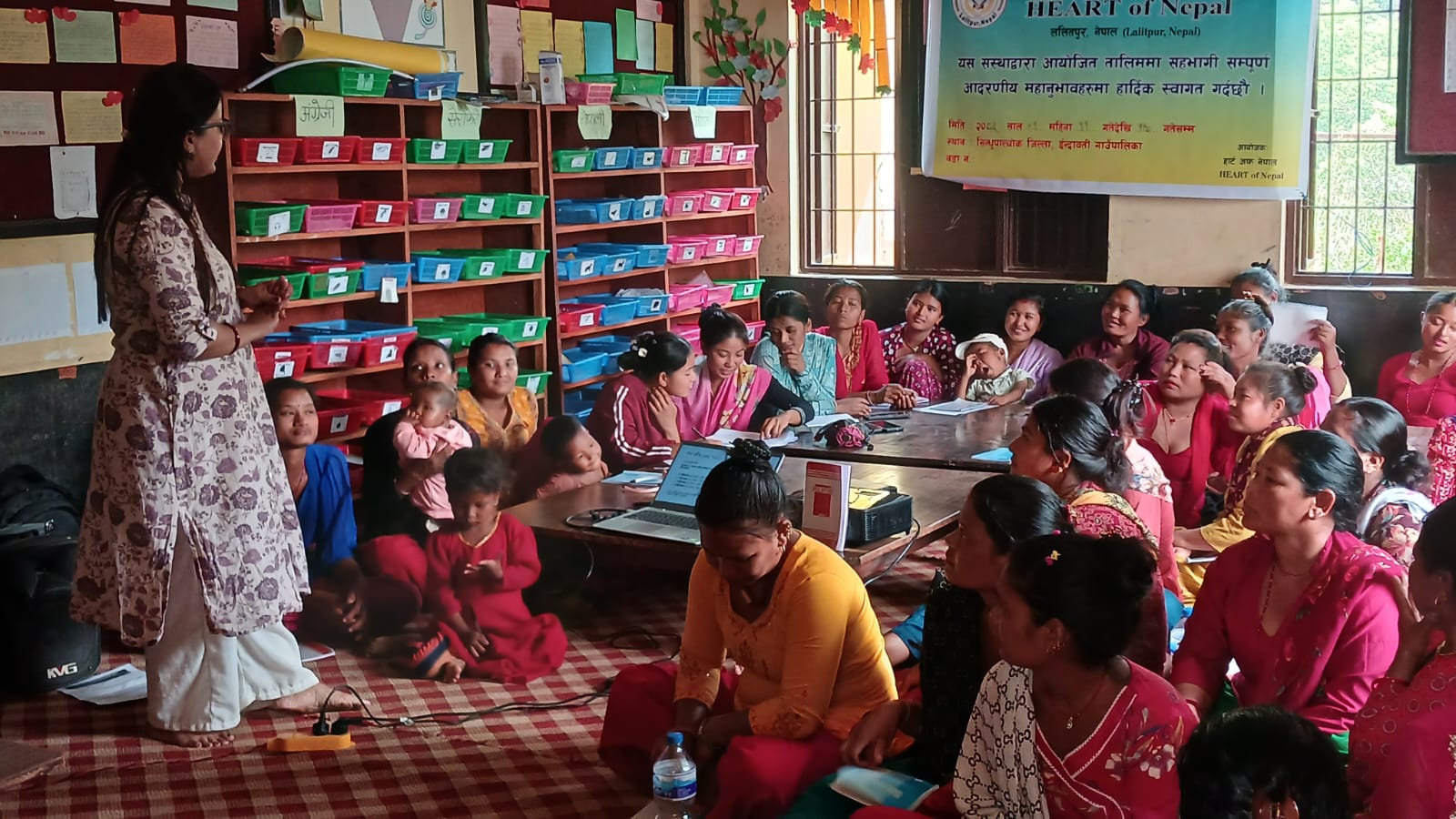
That realisation became the foundation of Heart of Nepal, a grassroots organisation working with Dalit and Indigenous communities in Sindhupalchowk to strengthen education, nutrition, livelihoods, women’s leadership, and child protection through community-led approaches. Since its establishment in 2020, it has been working in four wards of Indrawati Rural Municipality through integrated development initiatives.
Courtesy of Heart of Nepal
This journey for Shrestha was deeply personal. She admits that, rather than the success of any specific programme, she feels prouder of witnessing how women have begun to imagine futures that once felt impossible. These experiences also shifted her personal notions to understand societies and communities.
“Most communities already know their problems and often have ideas about how to address them,” she says. “What they are too often denied is resources, opportunities, and decision-making power.”
Therefore, Shrestha’s work sits at the intersection of social justice, gender equality, and systems change. Her research and practice are grounded in the belief that the people closest to a problem should be at the centre of designing its solutions.
With her efforts to recognise people’s lives being shaped by multiple systems of power and disadvantage at the same time, Heart of Nepal asks probing questions about intersectionality.
“Too often, development programmes categorise people into single identities and overlook these complexities,” she says. “Intersectionality challenges us to ask who is being left behind even within groups that are already marginalised.”
Therefore, for her, saying that her organisation works with ‘women’ or ‘children’ is not enough. They also ask: Which women? Which children? Who is still being left out, even inside the communities we are trying to support?
Working at the grassroots level, Shrestha also learned that social change is rarely that straightforward. “One of the most difficult lessons I have learned is that communities are complex, and even well-intentioned interventions can have unintended consequences,” she says.
One project in which her team supported families through agricultural and poultry livelihoods, as she recalls, was going really well. Household incomes were increasing, and people were excited about the opportunities. However, unexpectedly, girls’ school attendance started dropping. When they spoke with families and community members, they discovered that because the livelihood activities were doing well, households needed more labour to manage them.
Working at the grassroots level, Shrestha learned that social problems are deeply interconnected.
“A project that improves one aspect of life can create new challenges somewhere else if we are not paying attention,” she adds.
Over time, she examined what ‘helping’ truly means, navigating the misconceptions surrounding it. She believes that helping does not mean arriving with answers, nor is it about assuming that marginalised communities lack solutions for themselves. It is understanding that the challenge lies in the restraint of access to resources, opportunities, and decision-making spaces, and knowing that meaningful change demands immense patience. “Social change is rarely linear. It is slow, messy, and sometimes frustrating,” Shrestha says.
She believes that building trust, one step at a time, can make the process impactful and worthwhile. “Without trust, even the best-designed project will struggle,” she adds.
Sustainability, in the passionate intentions as such, often emerges as a resisting force, also considered the hardest part of development work. For Shrestha, it means sustaining community capacity, leadership, relationships, collective action and eventually, making them independent and powerful on their own terms.
Her commitment to community-led development has earned her wider recognition in the Forbes 30 Under 30 Asia list for her contributions to social impact and community development. The list is an annual recognition honouring young entrepreneurs, innovators and changemakers under the age of 30 in the Asia-Pacific regions, encouraging them to push their boundaries in their own respective fields.
“For me, meaningful change is often quiet. It is a girl who starts speaking more confidently in a children’s club. It is a mother who once sat silently in meetings, beginning to ask questions,” Shrestha says. “It is parents slowly believing that their children’s future can be different from their own. It is a community moving from ‘this is how things have always been’ to imagining the possibilities of change.”




 22.92°C Kathmandu