18.53°C Kathmandu

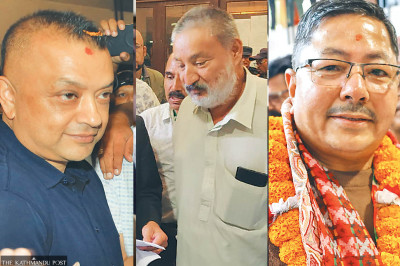
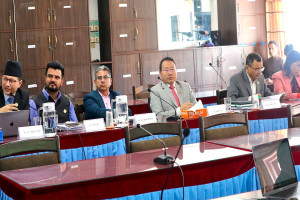
Hearing committee rejects two ambassadorial nominees, puts Japan pick on hold
Despite vetting thousands, the government’s ambassadorial picks face scrutiny over harassment, financial irregularities and foreign residency.
Despite vetting thousands, the government’s ambassadorial picks face scrutiny over harassment, financial irregularities and foreign residency.
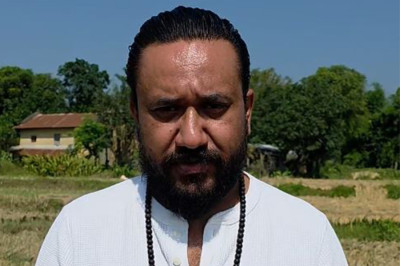
Lawmakers cite allegations of financial dealings, land irregularities and conflicts of interest; nominee Chudamani Kharel denies wrongdoing.
The party has barred him from duties as lawmaker and central committee member, while police await a formal complaint before launching a criminal investigation.
The proposed envoys to Saudi Arabia and Japan face questions over alleged violence against a woman, financial wrongdoing, permanent residency and potential conflicts of interest.
Giri Bahadur Sunar faces complaints alleging deportation from Germany and sexual violence, prompting House committee to seek details from immigration officials and Lalitpur police.
Thapa faces two challengers for party presidency. The race for 25 office-bearer positions is testing his efforts to bring together factions divided over special convention.
Former prime minister Pushpa Kamal Dahal topped the list with 24 consecutive absences during the second session of the newly elected House of Representatives.
With no representation in the National Assembly, the government registered 21 of its 23 bills in the House of Representatives during the current fiscal year.
Shah attended the House of Representatives for just six days and the National Assembly once, while lawmakers repeatedly sought his answers on issues ranging from floods and border disputes to foreign policy.
Government yet to explain former chief justice’s detention, fuelling questions over the legal basis for the police action.
Opposition lawmakers question why the former chief justice Cholendra Shumsher Rana was taken into custody and released 12 hours later, and demand an explanation in Parliament.
New website allows the public to view lawmakers’ profiles, parliamentary proceedings and documents.
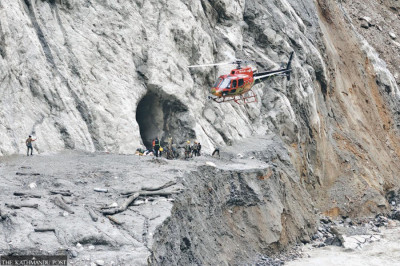
Shrestha tells Parliament that search and rescue teams are still looking for workers believed to be trapped in underground structures or swept away by the August 26 disaster.
Prime minister says younger MPs should bring a distinct perspective to the legislature and focus on issues facing their generation.
A year after the bloodshed, survivors and relatives of the dead say promises of justice, medical care, and support remain largely unfulfilled.