23.87°C Kathmandu

Why Sanskrit is not dead after all
Enrolment is rising in Nepal’s gurukuls and Sanskrit universities. But is it a genuine revival or a reinvention driven by ritual economics, Hindu nationalism, and the lure of free room and board?
Enrolment is rising in Nepal’s gurukuls and Sanskrit universities. But is it a genuine revival or a reinvention driven by ritual economics, Hindu nationalism, and the lure of free room and board?
Draft states the tenure and privileges of lawmakers, irrespective of their presence in House, cannot be curtailed by laws.
Judicially appointed, personal secretaries provide much-needed help with lawmaking, experts suggest.
Frequent ‘dollar farming’ accusations are eroding public confidence in civil society, say critics.
Party chief Thapa wants Mohan Acharya, while veep Sharma supports Angdembe.
Last year, Bhandari could not muster enough strength to beat Oli, who was sitting prime minister. Oli’s wings have been clipped now.
But analysts say capable reform-minded leaders can still rise if they adapt.
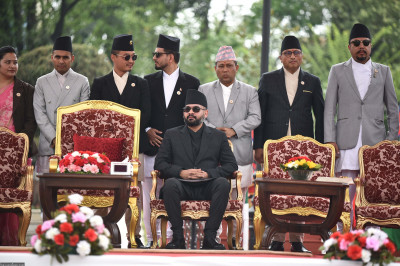
Aryal was uncontested for Speaker but there are several opposition parties staking their claim to the crucial House role.
It’s unclear how Prime Minister Balendra Shah will reach out to provincial governments led by traditional parties.
March 5 polls punished traditional parties, who ruled the country for decades. Local and provincial elections are due next year.
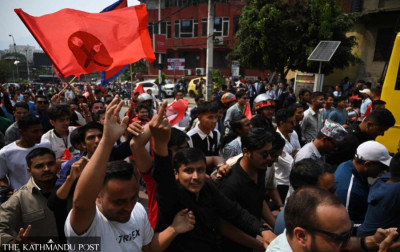
The government aims to dismantle all political student unions in educational institutions within 60 days.
In the work plan unveiled on Saturday, the Balendra Shah-led Cabinet aims to implement time-bound reforms, enhance service delivery, and address public grievances.
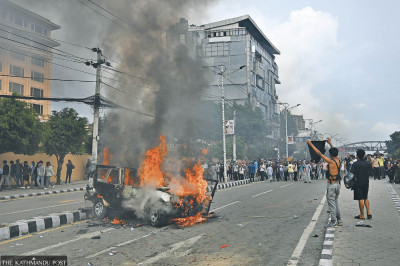
Right from the start of Gen Z revolt, questions were raised over the Army’s role. The report gives no clear answers.
Karki commission’s findings, however, are largely silent on the second day of arson and vandalism.
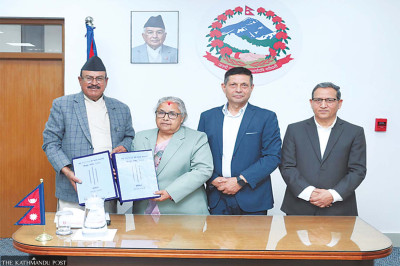
Adviser cites top Rastriya Swatantra Party leaders’ communication to the interim government that it should not take decisions of long-term consequences.