16.76°C Kathmandu

Nepali Congress voting begins after delays
Bad weather and ballot-paper printing delays pushed polling back by a day, with 7,317 delegates eligible to vote.
Bad weather and ballot-paper printing delays pushed polling back by a day, with 7,317 delegates eligible to vote.
Even as Tuvalu secures a $36 million climate grant, Nepal’s high-level push for climate justice has yet to bring tangible financial support.
India proposes a secretary-level diplomat with previous experience handling Nepal and Bhutan as its new ambassador to Kathmandu.
Delegates were expected to endorse key political, organisational and financial reports before the convention turns to Thursday’s leadership election.
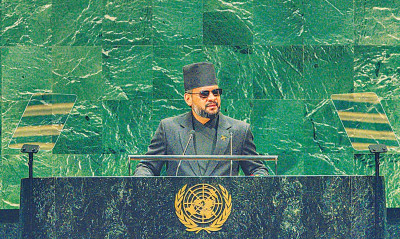
Foreign Minister Shisir Khanal calls for a coalition of mountain and island states, stronger climate finance and a fully operational Loss and Damage Fund.
Khanal highlights shared climate risks facing Himalayan and Pacific island states, calls for stronger cooperation on climate finance, adaptation and loss and damage.
Gurung will attend the first-ever BIMSTEC home ministers’ meeting in New Delhi, which is expected to discuss cross-cutting security issues among member states.
The government has suspended search and rescue operations for Bhotekoshi-Trishuli floods except in emergencies, directing authorities to accelerate reconstruction and rehabilitation in flood-hit areas.
Political parties from India, Bangladesh, China and the UK, along with international organisations, express support for Nepal and call for stronger ties and regional cooperation.
They call for a pragmatic approach to relations with India, China and other major powers, with greater focus on economic diplomacy and strategic autonomy.
The veterans’ committee has set a December 31, 2026, deadline for progress on pay, pensions, recognition and other demands, warning it will resume protests and hunger strikes in Nepal and the UK if no agreement is reached.
After four years of being watched, India’s departing ambassador to Nepal spent his final weeks birdwatching.
The inaugural event not expected to see a big number of political representatives from abroad, allegedly due to the disasters that struck Nepal recently.
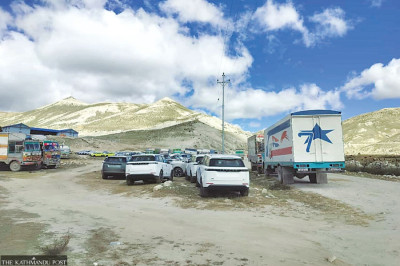
Nepali authorities have requested the Chinese side to reopen Tatopani urgently to allow for merchandise from the north to reach Kathmandu for the festivals.
Stakeholders have grouped to collect and forward recommendations to the government to be incorporated into the draft policy.