Why buying a first home is becoming a distant dream for young Nepalis
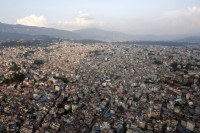
House prices far outstrip incomes, while low bank valuations and hefty down payments put a first home beyond the reach of many salaried buyers.A panoramic view of the Kathmandu Valley, where rising property prices and limited access to housing loans are putting home ownership beyond the reach of many young Nepalis.
For two years, Dipak Joshi, 33, and his 30-year-old wife have been searching for a home in Kathmandu. The couple, originally from Nepalgunj, earns a combined Rs130,000 a month, with Joshi working for a major company in the capital city. Even when property prices eased, and bank interest rates fell to 7-8 percent, they could not find an affordable house. Even seven kilometres from the Ring Road, modest homes cost Rs15 million to Rs20 million.
“Once we factored in our income, commuting time, children and day-to-day expenses, we realised we couldn’t afford a house,” Joshi said. “So we decided to put off buying one for now.”
Even higher earners are struggling. Sushant Rai, founder and chief executive officer of IT company Vox Crow, and his wife, a nursing officer at a government hospital, earn a combined Rs450,000 a month. His eight-year-old company is profitable and employs more than 60 people. Rai considered buying a house worth up to Rs50 million, but banks were willing to lend only 60 to 70 percent of the property’s assessed value. He would have to cover the rest himself, leaving him to raise a substantial amount upfront. “The bank said I would need Rs15 million to Rs20 million upfront,” Rai said. “There’s no way I can manage that.”
Rai says banks refuse to base loans on a property’s market value, even when buyers are willing to pay tax on the full amount. “I’m ready to pay tax on the house’s actual value, but the bank still won’t lend against it,” he said.
The hefty down payment is only part of the problem. Rai says getting a bank loan approved is difficult in itself. “Unless I sell property back home and buy a house outright, I see no other option,” he said. “Taking a bank loan to buy a house no longer seems realistic.”
Some have steady incomes but little savings; others have savings but cannot keep up with property prices. Those who own property outside the Capital may have to sell it or use it as collateral to buy a home in Kathmandu. A salary alone is no longer enough. Buyers need savings, assets, access to credit and the means to repay a long-term loan. For those without inherited wealth who rely on their earnings, meeting all these requirements is especially difficult.
The gap between Nepal’s average income and house prices is stark. Consider the finances of a government section officer. Under the salary structure for the 2026-27 fiscal year, a section officer earns between Rs48,000 and Rs60,000 a month. Officer-level employees in the private sector generally earn a similar amount. The government-set minimum wage is Rs19,550 a month, including a basic salary of Rs12,170 and a dearness allowance of Rs7,380. A modest house in Kathmandu costs around Rs20 million. A section officer earning an estimated Rs690,000 a year would have to save every rupee for about 29 years to buy one outright. Even a couple with two incomes would need 14 to 15 years.
The Labour Force Survey 2017-18, published by the National Statistics Office, provides another indication of the challenge. It puts monthly earnings for interns at Rs15,000 to Rs30,000, mid-level employees at Rs30,000 to Rs60,000, senior-level employees at Rs60,000 to Rs120,000 and high-level employees at more than Rs120,000.
At these earnings levels, an intern would need 55 years to save Rs20 million, even by setting aside their entire salary. Someone in a senior job would still need at least 13 years. In reality, such calculations are only theoretical. Living costs, including food, rent, transport, healthcare and education, leave little room for savings. Those trying to buy a home must continue paying rent while saving for a down payment, and borrowing to make up the shortfall adds years of interest payments.
For many Nepalis, owning a home is becoming an increasingly distant dream.
The 2021 national census found that 86 percent of households across Nepal live in their own homes. In Kathmandu Valley, the figure drops to just 48.5 percent, leaving more than half of households dependent on rented accommodation. Property ownership is also concentrated among older age groups, with younger people accounting for a much smaller share, according to data from the Department of Land Management and Archives.
The department records about 12.4 million homes and landholdings nationwide. People aged 51 to 60 account for the largest number of registered properties, while those aged 41 to 50 make up the largest group of property owners.
The low ownership rate among people aged 20 to 30 may partly reflect the fact that many are only beginning their careers and earning a regular income. But ownership remains substantially lower among those aged 30 to 40 than among people in their 40s, 50s and 60s, suggesting that high prices are also a major obstacle for first-time buyers.
Bhesh Raj Lohani, chair of Green Hill City, a real estate developer, says young people buying their first home are increasingly rare. “The main reason so few people are buying their first home is that their income simply does not stretch far enough,” he said.
Property dealers say the market continues to be dominated by buyers aged over 35.
For many younger people, the biggest obstacle is the mismatch between earnings and property prices.
Dinesh Baraili, 31, a deed writer, says the rising cost of living has put home ownership out of reach. His wife, Manju, 28, works at an IT company. Together, they earn about Rs85,000 a month. “We have to pay our son’s school fees and rent, and buy all our food,” he said. “After covering our expenses, we can barely save Rs15,000 a month. Even that gets wiped out during festival season. Even a rough estimate puts the cost of building a house in Kathmandu at Rs25 million. How can we possibly afford that?”
The couple is now considering a plot of land worth around Rs6.5 million, but Baraili does not know how long it will take them to save enough to buy it.
People who own land in the Tarai or other cities have a relative advantage, even if their regular income is limited. They can sell those assets or use them as collateral to finance a purchase in Kathmandu, property dealers say.
Bharat Shahi Thakuri, 35, from Surkhet, wants to buy a five-aana (158.98 square metres) plot in Kathmandu and build a house. He has considered plots priced at around Rs13 million in Thankot and Rs14.5 million in Tokha. He hopes to borrow about Rs10 million against land he owns in Surkhet and the hotel he runs in Kathmandu. But the bank’s valuation of the properties fell short of what he needed. “Even with the hotel and land as collateral, the bank said their combined valuation was too low,” he said. “Once they said it wouldn’t be enough, I didn’t even ask how much they would lend.”
Young Nepalis working abroad are among those better positioned to buy property in Kathmandu.
Sabin Khatiwada, a property consultant at Lalpurja Nepal, says Nepalis working abroad account for a sizable share of younger property buyers. Many buy homes for their parents and pay the loan installments themselves. “Buying a house requires a steady income, savings and enough money to make the purchase,” Khatiwada said. “People on ordinary salaries struggle to manage all three. Those working abroad are in a better position to buy.”
The Nepal Living Standards Survey 2022-23 estimates that 1.9 percent of remittances received in Nepal are spent on housing and long-lasting household goods.
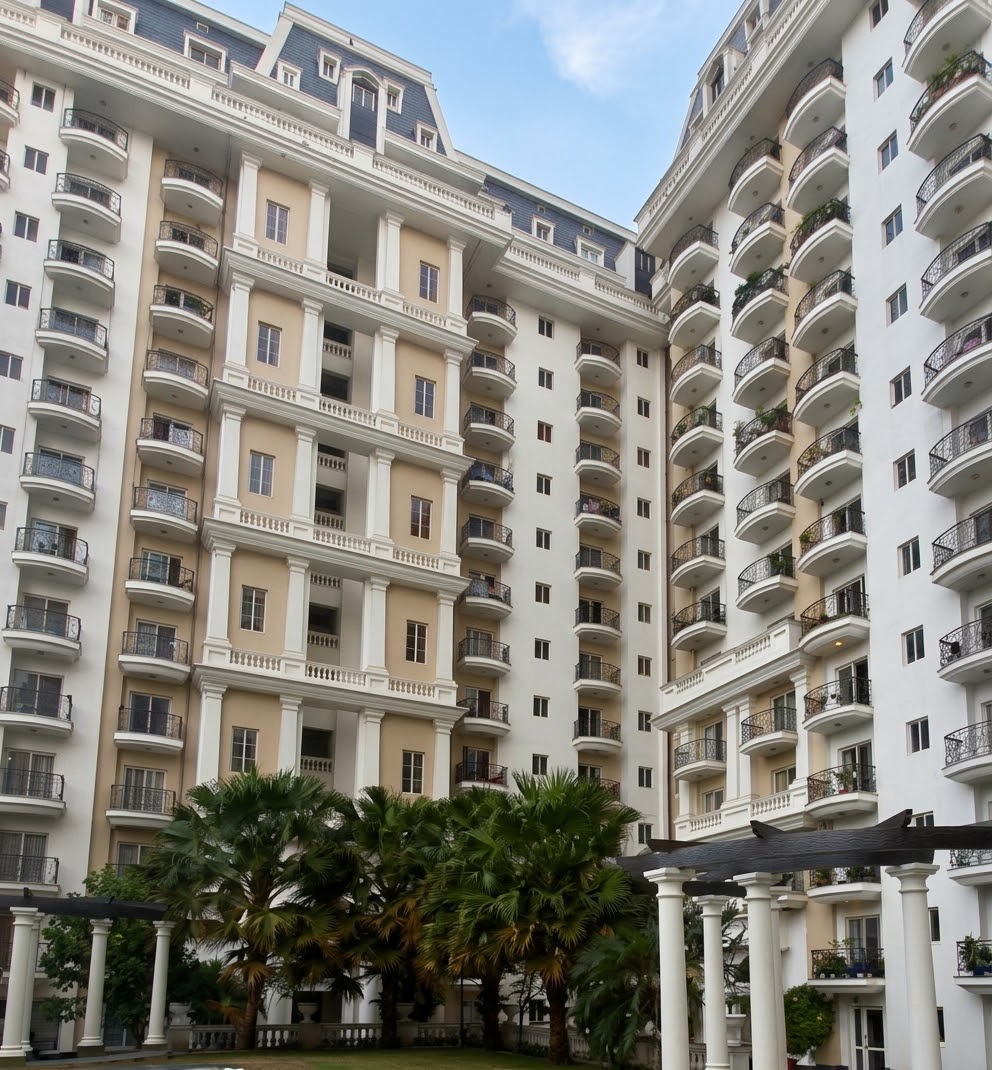
Lohani of Green Hill City says some people who already own homes or plots in the Valley are selling them to move into planned housing developments. Nepalis working abroad are also buying homes for their families or for when they return to Nepal. With a completed house beyond the reach of many young buyers, Lohani said, some are buying land first and building later as they save. Others are turning to apartments.
Parents often help their children buy a house or apartment with their savings, proceeds from property sales or inherited wealth. But real estate agents say buyers can struggle to secure bank loans if they cannot formally document the source of the funds, making it harder for them to buy their first home.
Experts say Nepal Rastra Bank, the country’s central bank, should consider easing some of its lending rules.
Former banker Anal Raj Bhattarai says banks cannot allow monthly loan repayments to exceed 50 percent of a borrower’s income. Even buyers who can pay 40 percent upfront and borrow the remaining 60 percent must prove they have enough income to repay the loan. Property offered as collateral does not count as proof of repayment capacity.
Bhattarai says access to home loans is limited by Nepal’s small formal employment sector, which accounts for just 12 percent of total employment. Yet banking rules largely assume borrowers have formal jobs and documented incomes, leaving many people unable to qualify for loans. As a result, a large section of the population is excluded from access to banking services, he argued.
Nepal Rastra Bank has introduced a provision allowing people buying a house or apartment for the first time to borrow up to 80 percent of its value. But in practice, buyers such as Rai are often offered only 60 to 70 percent, Bhattarai said.
Banks assess properties using both government valuations and market prices before deciding how much to lend under central bank rules. But official valuations often fall well below actual market prices. Bhattarai says bank valuations can sharply limit how much buyers can borrow. A property worth Rs40 million on the market, for instance, may be valued by a bank at just Rs20 million, reducing the loan a buyer can secure.
Property dealers say young buyers also face difficulties because banks require proof of regular income, the capacity to repay loans and a verifiable source of funds. Property dealer Deepak Kunwar says home ownership remains out of reach for many people on modest incomes in Kathmandu Valley. The market needs more homes priced within their means, he said.
The government has registered a bill in Parliament to amend the Building Act, proposing cash grants for housing for families identified as extremely poor and recommended by their local governments. Under the bill, the federal government would provide at least Rs50,000 and provincial governments at least Rs25,000 to help them build a house.
Dilip Shekhar Shrestha, a former joint secretary at the Ministry of Urban Development, said the bill, if passed and implemented, could make it easier for people to build their first home. “The government’s policy would help many people build their first home,” he said. “Those without a house would have a better chance of building one. Those who do not own land could buy cheaper plots farther from the city and build there.”




 21.12°C Kathmandu