Beijing’s security concerns cloud Nepal’s push to reopen Tatopani
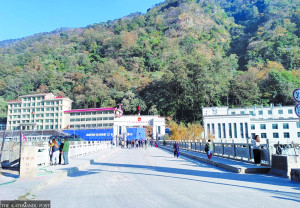
By Gaurav Pokharel & Seema Tamang Flood damage to Rasuwagadhi and the high cost of Korala leave the Sindhupalchok crossing vital to Nepal’s trade with China, but Beijing remains reluctant to reopen it over concerns about Tibet.
India renews export approvals for four Nepali hydropower projects
By Seema Tamang The approvals had expired during the peak export season.
Landslides knock 358MW offline in Kaligandaki corridor
By Seema Tamang Damage to pylons along the Dana-Kushma section of the 220kV line has cut off 12 hydropower projects. Precautionary shutdown of projects has pushed the total generation loss to over 790MW.
NEA working on winter power management
By Seema Tamang Officials say there won’t be load-shedding this winter despite flood damage to hydropower infrastructure along Trishuli corridor.
Hydropower producers seek changes to proposed IPO rules
By Seema Tamang Producers say the proposed eligibility framework does not reflect the financing needs and development cycle of hydropower projects.
Government weighs scrapping VAT on electricity
By Seema Tamang The tax was introduced in the current budget, with a five percent rate for household users and 13 percent for others, but the government is now considering reversing the move.
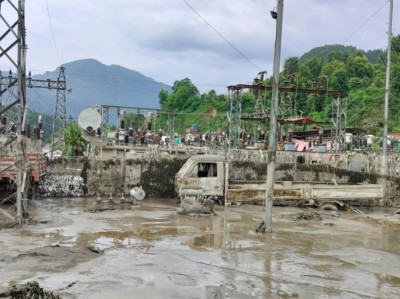
Nuwakot substation destruction disrupts evacuation of 176.1 MW
By Seema Tamang Nepal Electricity Authority says disruption will exacerbate winter grid management.
India renews Nepal’s power import permit but leaves export approvals pending
By Seema Tamang Three hydropower projects have lost their export permits as Nepal seeks to sell surplus monsoon electricity while relying on India for winter supplies.
Where rescue efforts stand at flood-hit hydropower projects
By Seema Tamang & Gaurav Pokharel Two workers have been rescued, and bodies recovered, but teams are still searching flooded tunnels and damaged sites for hundreds of missing people.
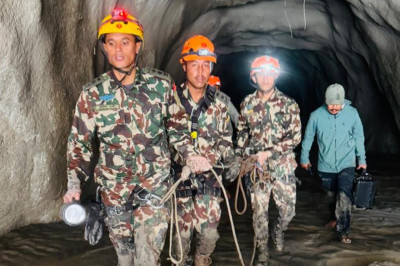
Search and rescue team says ‘no more survivors in Upper Trishuli 3A tunnel’
By Gaurav Pokharel & Seema Tamang After rescuing two survivors and finding a dead body, rescuers say they could not locate any more survivors or bodies.
Bhotekoshi floods halt Nepal’s electricity exports to Bangladesh
By Seema Tamang Nepal had been exporting an average of about 1,000 MW of electricity during the wet season. That has now fallen to around 650 MW.
Rescue teams struggle to reach workers trapped in underground powerhouses
By Hom Karki & Seema Tamang Families are demanding answers as mud and debris block access to hydropower plants where dozens of workers are feared trapped after the Bhotekoshi flood.
Flood rescue enters critical days, anxious families hope missing loved ones are alive
By Hom Karki & Seema Tamang Hundreds of hydropower workers and staff remain missing across projects in Rasuwa and Nuwakot after the August 26 Bhotekoshi flood.
‘Every second counts’: Families await tunnel rescue
By Hom Karki & Seema Tamang Relatives of workers trapped or missing inside flooded hydropower tunnels say every hour of delay is diminishing their hope of finding them alive.
Flood damage to Nepal’s hydropower sector could run into billions
By Seema Tamang Preliminary estimates suggest the Bhotekoshi floods have caused extensive damage to hydropower projects and transmission infrastructure, while insurance coverage and reconstruction costs remain unclear.




 18.53°C Kathmandu