



 14.39°C Kathmandu
Thu, Oct 29, 2026
Columns
Why investing in care is key to our shared future
Care workers, most of them women, deserve recognition, decent work and social protection.
bookmark
Patricia Fernandez-Pacheco
Published at : October 28, 2026
Updated at : October 28, 2026 16:18
Every day, before sunrise, my day as a single mother begins as I get my daughters ready for school before heading to work. By the time I reach the office, I have already planned meals, coordinated school and after-school activities, kept track of forms and deadlines, and sorted out the logistics of the day.
Yet, compared with the daily reality of many women in Nepal, my care responsibilities are often lighter. Across the country, women balance childcare, elder care, care for family members living with illness or disability, household duties and income-generating work to keep the families running.
So who cares? In the majority of cases, women do: at home, where their work goes unrecognised, or as paid care workers, where it is often underpaid. As we mark the International Day of Care and Support under the theme “Building Sustainable Care and Support Systems through Decent Work,” their experience reminds us that care work makes all other work possible, yet remains largely unpaid, unseen, undervalued, unrecognised and unequally shared. Care workers, most of them women, deserve recognition, decent work and social protection.
Everywhere, women are carrying a disproportionate share of unpaid care and domestic work, limiting their participation in the labour market and public life. Women perform more than three-quarters of unpaid care work worldwide, and an estimated 708 million women are outside the labour force because of unpaid care responsibilities. And this will only grow. By 2050, the number of people aged 60 and older in Asia and the Pacific is set to climb to more than 1.3 billion (UNESCAP, 2024-25). By 2030, an estimated 2.3 billion people globally will require care, up from 2.1 billion in 2015. The scale of the care workforce challenge is stark, particularly in the context of ageing populations in the Asia Pacific region. (ILO, 2018).
Besides, regional exchanges, including South Asian dialogues and learning initiatives, have surfaced a shared concern: despite remarkable advances in education and employment, unpaid care still falls disproportionately on women. Investing in care systems is therefore not simply a social policy of choice.
Governments, businesses and communities across the region are increasingly recognising this. Countries are experimenting with innovative approaches, from dedicated care financing mechanisms and expanded childcare investments to digital platforms that connect families with support services. Emerging technologies, including artificial intelligence, are also helping caregivers manage schedules, access information, navigate services, and reduce administrative burdens.
While technology is not a substitute for human care, it is helping ease some of the time and mental pressures caregivers face every day. Women make up only 30 percent of AI professionals and 12 percent of AI researchers at the global level, and 24 percent of science, technology, engineering and mathematics (STEM) researchers in Asia and the Pacific. This underrepresentation can lead AI to perpetuate and amplify biases by influencing which challenges are prioritised, which data are used and how systems are evaluated. The fundamental principle guiding this transformation is that technology must serve care, not the other way around (UN Women 2026).
Nepal is at a turning point. Migration, urbanisation and ageing population are reshaping the family structures that have traditionally provided care. According to the 2021 Census, more than 2.19 million Nepalis were absent from the country, over 80 percent of them men. With more older persons requiring support and fewer family members available to provide it, the assumption that families alone can meet growing care needs is becoming increasingly unsustainable. At the same time, as Nepal pursues its ambition of 7 percent annual economic growth and the creation of 1.5 million jobs over the next five years, investing in care must be recognised as an economic imperative. And this inclusive growth depends on increasing women’s economic participation, which is limited because of their unpaid care responsibilities.
This is why the Government of Nepal’s ongoing work to develop a National Care Economy Promotion Policy is both timely and transformative. The government is also working to expand social protection coverage, such as leave and health insurance, for informal sector workers, including care workers who often hold informal, low-paid jobs. With support from the UN System through the Global Accelerator for Jobs and Social Protection for Just Transitions, the government has developed a roadmap that identifies investments in care services as a priority for creating decent and green jobs.
Combined with growing local momentum, such as Kathmandu Metropolitan City’s commitment to becoming a ‘Caring City’, a concept it has been advancing with UN Women’s support in areas such as care service mapping, Nepal has an opportunity to build a care system that supports families, creates decent jobs and enables more women to participate fully in economic and public life.
But seizing this opportunity will require innovation, investment and collective action. From the global experiments mentioned above, the Government of Nepal, private sector, financial institutions and development partners can explore new ways to finance the care economy, from blended finance approaches to investments in care enterprises, workforce development and care infrastructure. We can use technology not as a replacement but as support to make care systems more accessible, responsive and efficient.
Again, governments alone cannot build care systems, and they will not benefit only the government. Each of us has a role, and we will all benefit. For instance, businesses with more productive workers can invest in reliable care services, family-friendly workplaces and flexible work arrangements. Similarly, financial institutions can help unlock investment in care infrastructure and services. Communities can strengthen local support networks. Families and men can help ensure care responsibilities are shared more equally.
A stronger care economy can unlock women’s economic potential, create decent jobs, support healthy ageing and strengthen social cohesion. Building this care society requires action from governments, businesses, financial institutions, communities, families and individuals alike. It is an investment not only in wellbeing and dignity, but also in Nepal’s future prosperity. Care is not a woman’s issue; it is a societal and economic imperative that benefits everyone.
So, on this day, let us return to where we began: Who cares? Women do, every day, largely unpaid and unseen. The question for the rest of us should not be whether we can afford to invest in care, but whether we can afford not to. Let’s care for those who care for us. Let’s #ShareTheCare.
Patricia Fernandez-Pacheco
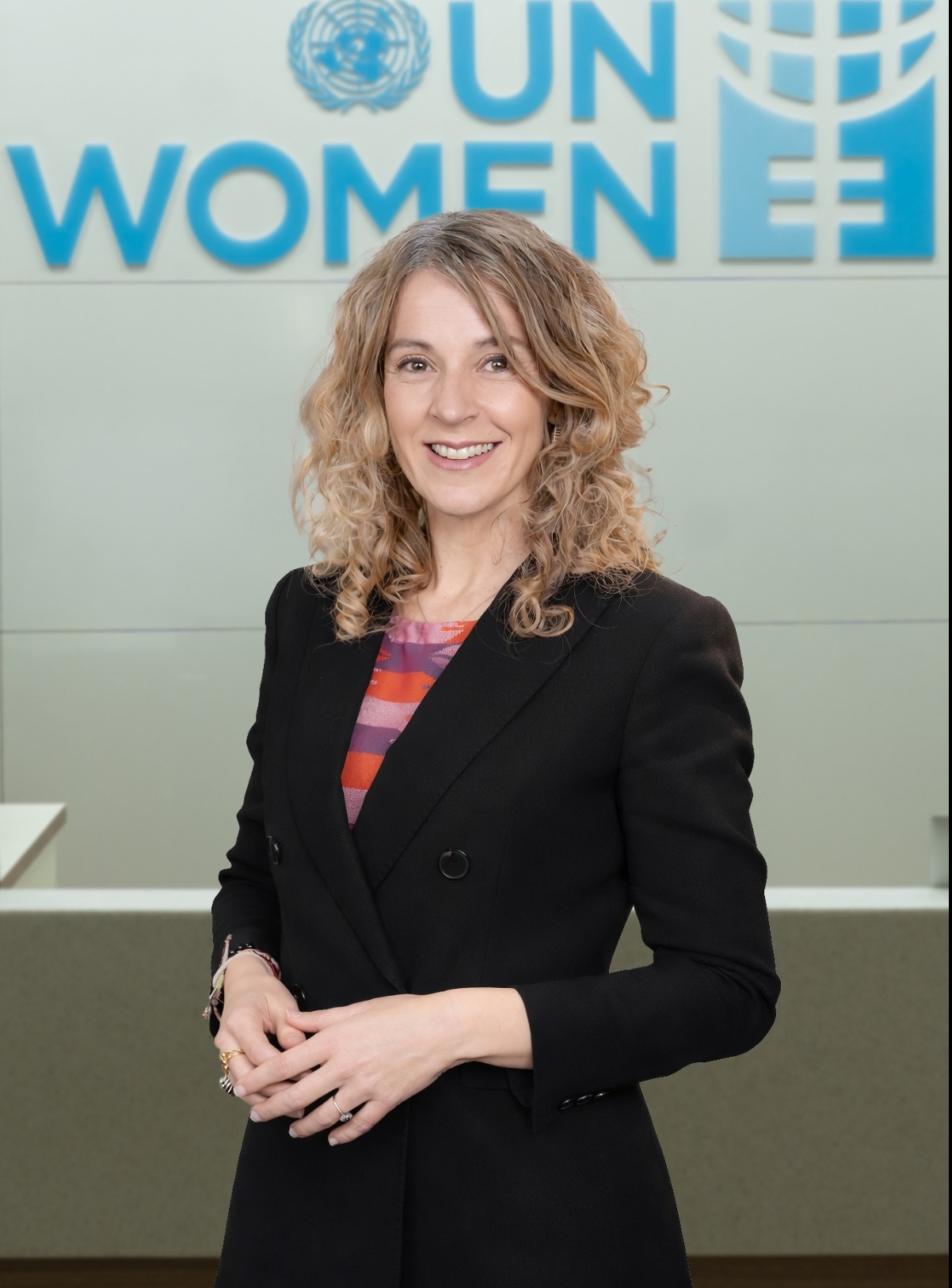
Fernandez-Pacheco is the Country Representative for UN Women Nepal.





Most Read from Columns



Editor's Picks

What to know about the US trial over Mamta Kafle’s disappearance

NPL returns with bigger ambitions and global recognition

What’s new in the Nepal Premier League’s third season?

After Nepal’s recent disaster, it wants to test whether COP31 can deliver climate justice

Why does an hour long flight to Dhangadhi cost more than a flight to New Delhi?
E-PAPER | October 29, 2026

×