Five lessons in golf—and politics—for Prime Minister Balendra Shah
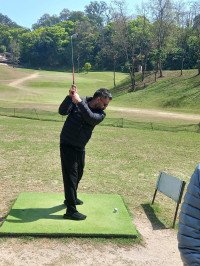
A golf expert offers lessons in leadership and governance for the prime minister, from setting a clear vision to knowing when to take risks.Prime Minister Balendra Shah takes a swing at Gokarna Forest Golf Course earlier this month. Courtesy of Deepak Acharya
A video I recently posted of Prime Minister Balendra Shah taking a golf swing attracted mixed reactions. While some appreciated his attempt to try a new sport, others were quick to associate golf with the elite, aristocrats and the privileged few. This got me thinking about how we perceive golf in Nepal and why we continue to believe that it is exclusively a sport for the wealthy.
First and foremost, our prime minister is not a golfer. He has probably tried the sport only two or three times, and the video simply captured someone experiencing something new. There is absolutely nothing wrong with that. In fact, I believe the country could immensely benefit if more of our leaders, including the prime minister, took an interest in golf.
But why should we continue to label golf an elite sport?
It costs approximately Rs1,000–1,200 per person to enjoy a session at a golf practice range. Is that really an amount that makes golf inaccessible? Playing at a full-fledged golf course involves higher expenses, but that is no different from many other recreational activities. The perception that only aristocrats and the privileged can play golf is simply outdated.
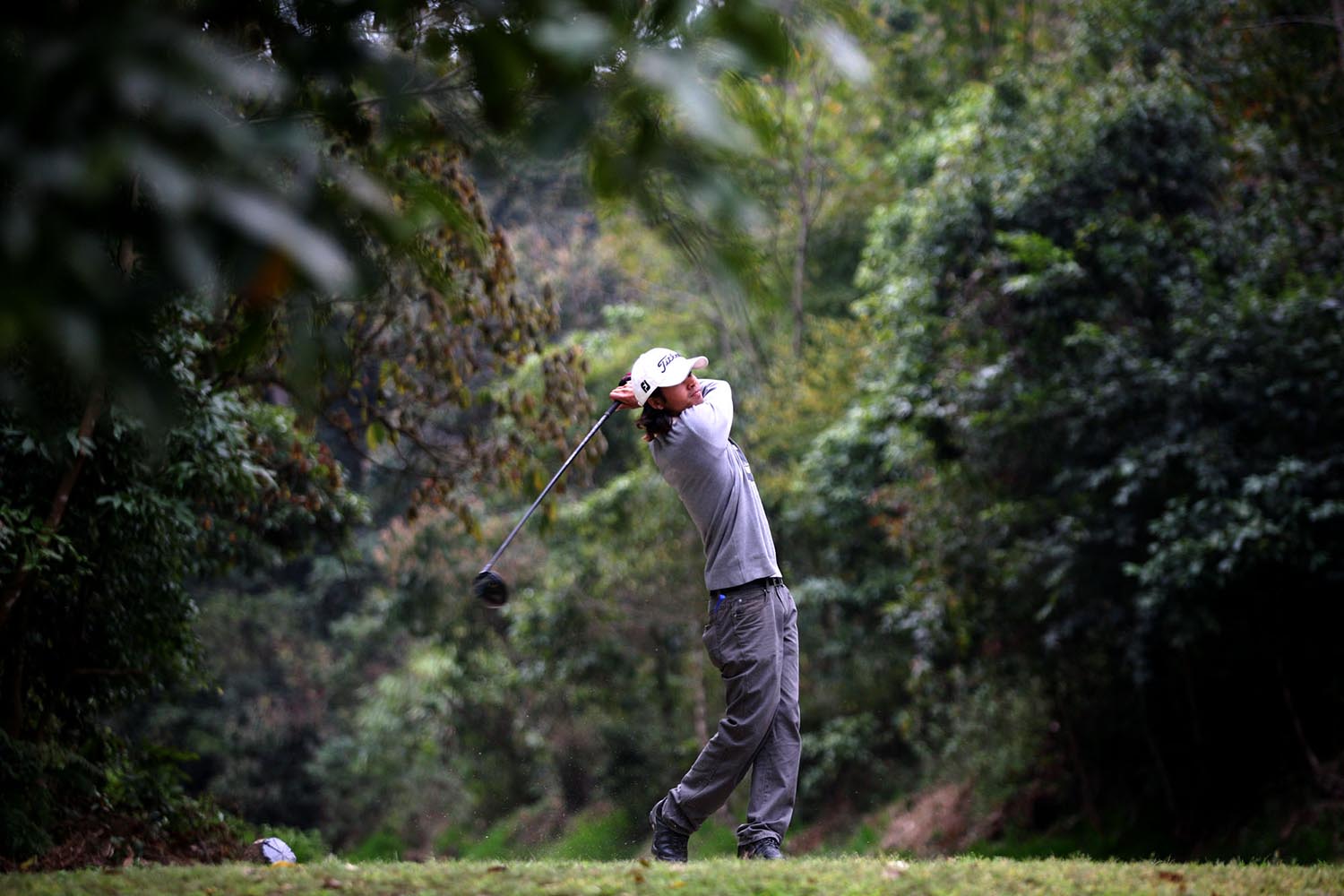
An athlete plays a shot during the Surya Nepal Masters at Gokarna Forest Golf Course in March, 2012. The course attracts top golfers from across the region. Post File Photo
Look at countries such as Malaysia, where golf is much more integrated into everyday recreational life. Even taxi drivers enjoy playing the game. We all aspire to prosperity, a better standard of living, a nice house and a good car. There is nothing wrong with these aspirations. So what is wrong if someone who has the financial means chooses to spend some of their time playing golf?
Golf is one of the finest sports one can take up, particularly because it can be enjoyed well into old age. Walking 18 holes means covering approximately 8–10 kilometres, providing excellent physical exercise and helping maintain cardiovascular fitness. It is equally beneficial for the mind, as every shot requires concentration, calculation, patience and decision-making.
Perhaps its greatest attraction is the opportunity for conversation. You spend four to five hours walking alongside people from different professions, backgrounds and generations, exchanging ideas and building relationships while exercising. Very few sports offer this combination.
It is hardly surprising that prominent personalities such as Donald Trump, Barack Obama, Bill Clinton, George W Bush and Bill Clinton enjoy golf. Sporting legends including Michael Jordan, Stephan Curry, Michael Phelps, Sachin Tendulkar, Kapil Dev and Roger Federer have also embraced the game. Golf offers them an opportunity to remain active, competitive and socially engaged beyond their professional sporting careers.
I genuinely believe that if our prime minister develops an interest in golf, it could have an impact beyond his personal recreation. It could encourage more Nepalis, particularly young people, to explore the sport and help promote Nepal as a golf destination, creating opportunities for tourism and international exposure.
There is, however, another reason why I would encourage the prime minister to continue playing. The five fundamental principles I would offer someone learning golf are equally relevant to politics and governance.
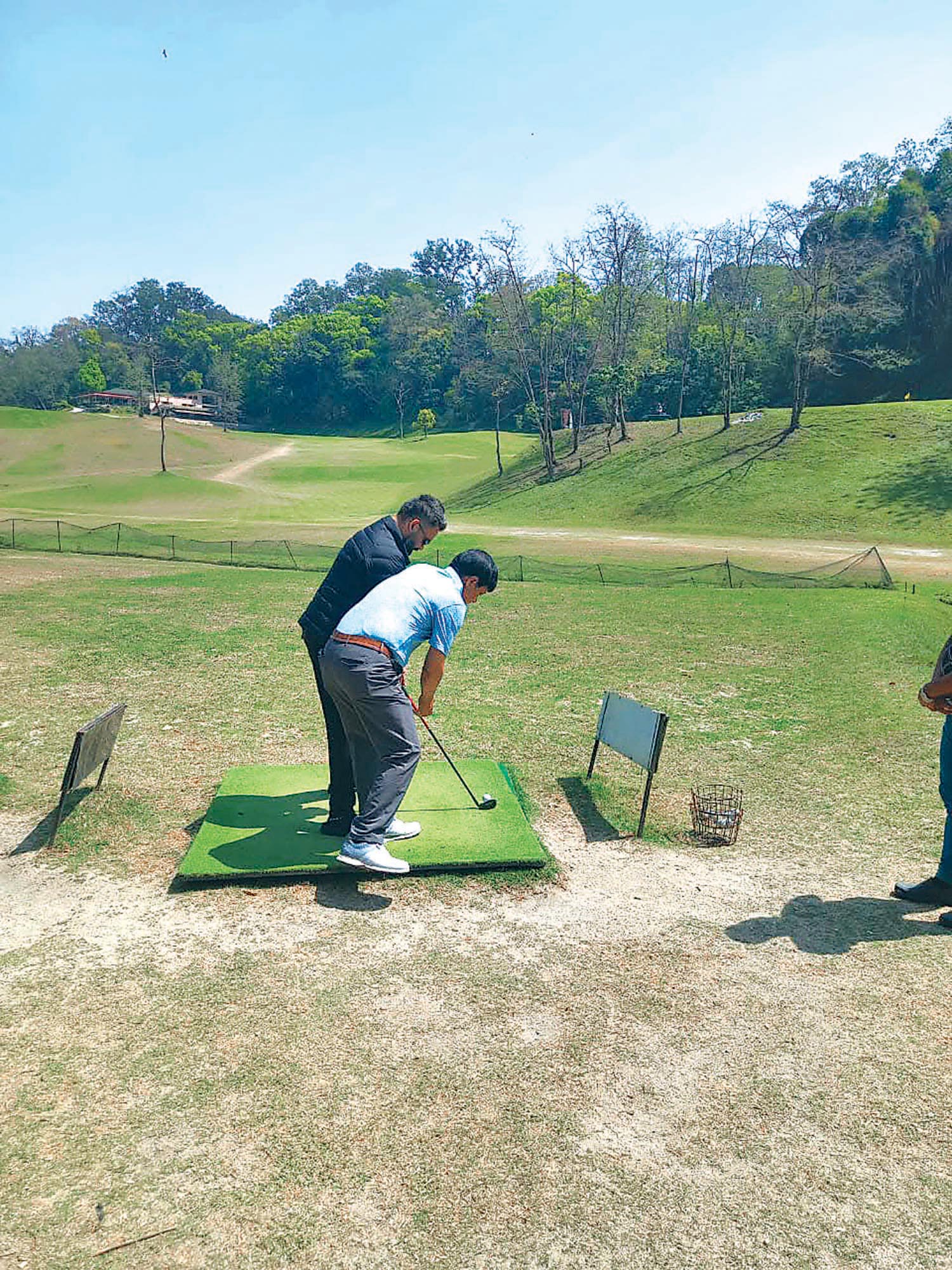
Author Acharya with PM Shah earlier this month. Courtesy of deepak acharya
1. Grip it right—get the fundamentals right
In golf, the grip is fundamental to a good swing. Hold the club too tight, and you restrict movement. Too loose, and you lose control. Politics is no different. A leader must maintain a balanced relationship with people, institutions and the administration. Holding on too tightly to power can restrict progress, while losing control can create instability. The right balance matters.
2. Aim at the target—have a clear vision
Golf is a target-oriented sport. Before every shot, you must know where you want the ball to go. Similarly, a country needs clear direction and defined objectives. Whether it is economic prosperity, employment generation, infrastructure development or good governance, leadership must have a vision. It is not enough to simply swing the club; you must know where you are trying to hit the ball.
3. Course management—evaluate the consequences
Before committing to a shot, a golfer must assess the obstacles, evaluate the risks and determine whether the reward justifies the challenge. Sometimes, attempting a difficult shot can cost you two or three strokes. A sensible golfer knows when to take a calculated risk and when to play safe. There is a phrase in golf: “Take your medicine.”
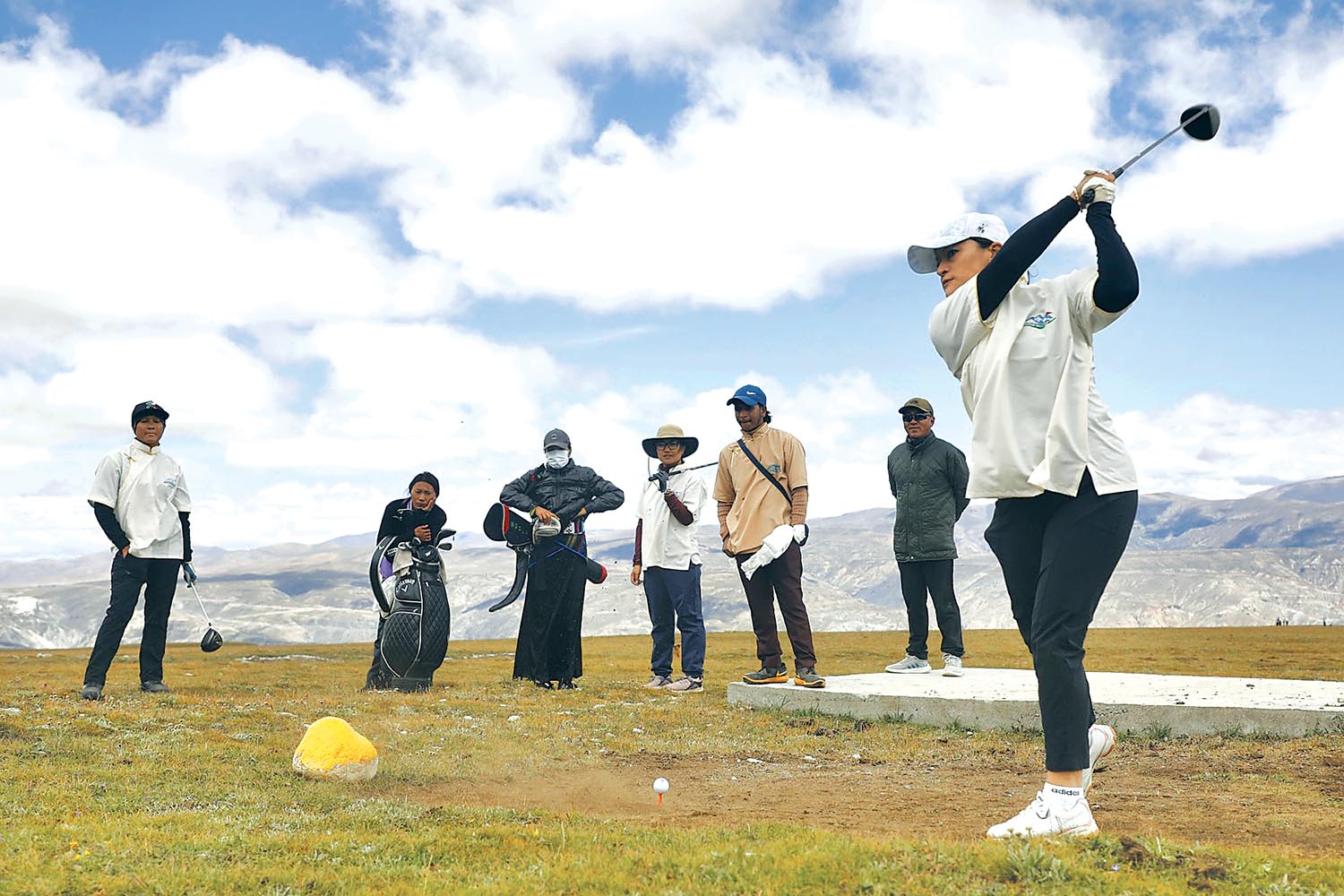
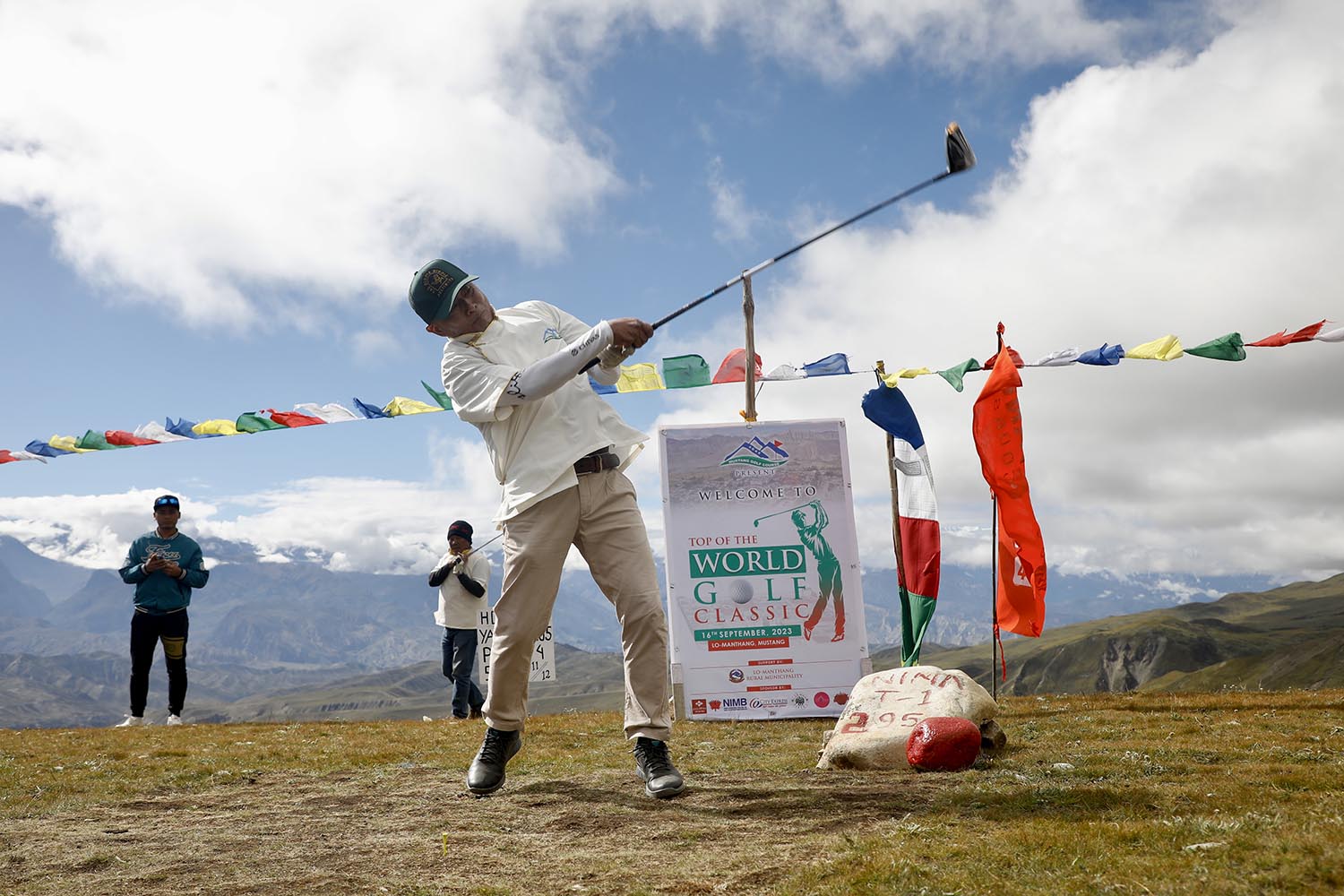
An athlete in action during the Top of the World Golf Classic at Lo Manthang, Mustang in 2023. Hemanta Shrestha/TKP
Every political decision has consequences too. Not every challenge needs to be confronted head-on, and not every opportunity is worth pursuing. Good leadership means assessing possible outcomes and making decisions that serve the bigger objective rather than seeking short-term victories.
4. Don’t hit it too hard—know your limits
Beginners often make the mistake of trying to hit the ball as hard as possible. But power does not necessarily translate into distance or accuracy. My advice is simple: use around 80 percent of your strength and maintain your balance.
Politics also requires restraint. Not every issue needs an aggressive response, and not every disagreement needs to become a confrontation. A leader must know when to push, when to negotiate and when to exercise restraint. Strength is important, but knowing when to use it is even more important.
Hemanta Shrestha/TKP
5. Scoring is what matters—deliver results
At the end of the day, golf is about the score on the card. You may hit a spectacular drive or make an impressive recovery shot, but none of that matters if you cannot deliver a good score. Every shot counts.
The same applies to governance. Speeches, promises and announcements may generate attention, but people ultimately judge a government by its results. Did it create employment? Improve the economy? Deliver better public services? Improve people’s lives? Leadership should be measured by what is delivered, not merely by what is promised.
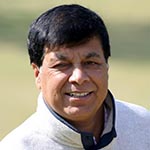
Acharya is the general secretary at the Nepal Professional Golfer’s Association and the senior director of business development and golf at Gokarna Forest Resort.




 10.12°C Kathmandu