



 14.12°C Kathmandu

Sat, Nov 28, 2026
Visual Stories
Masks, metal and mantras: Kathmandu's 12-year dance of the deities
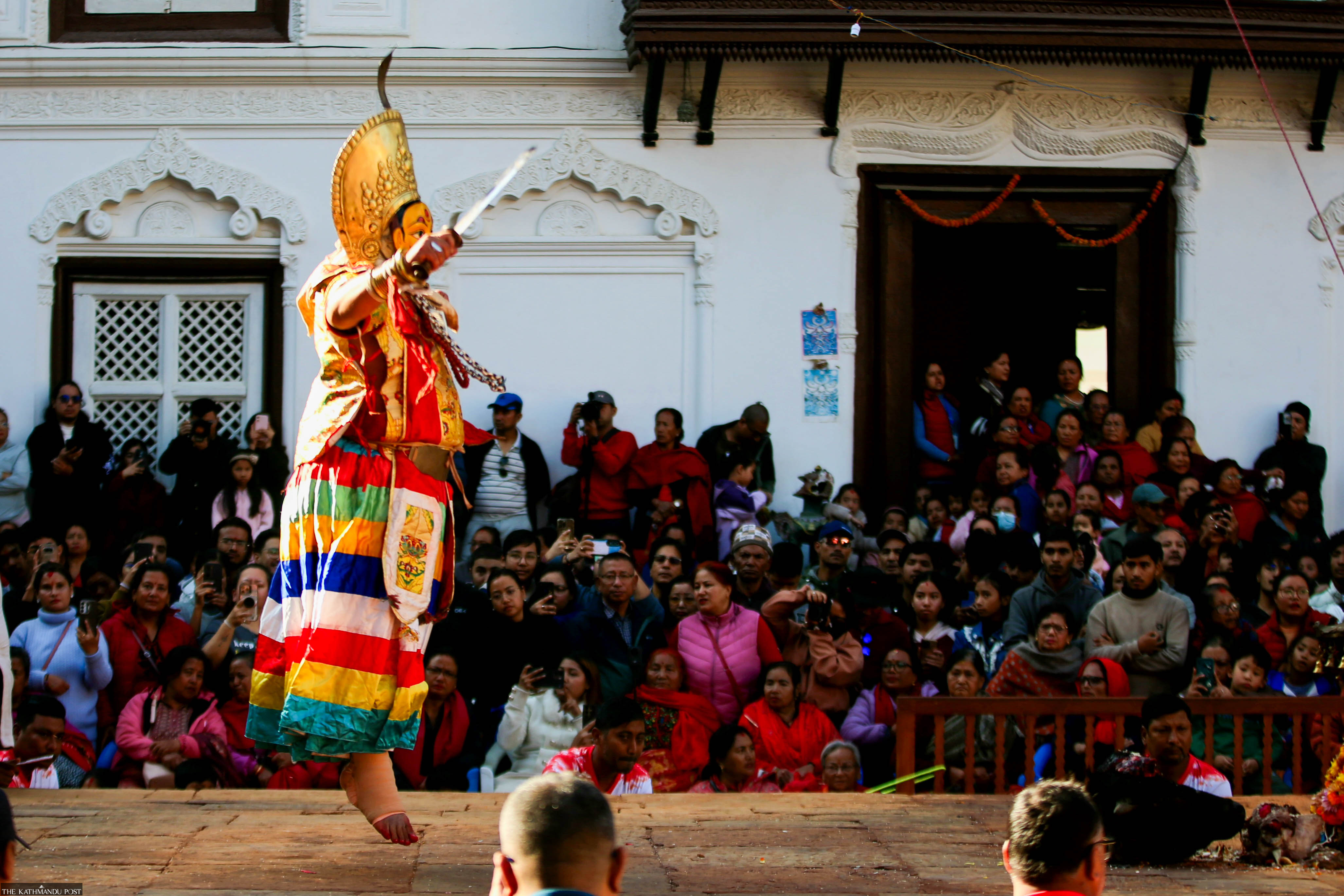
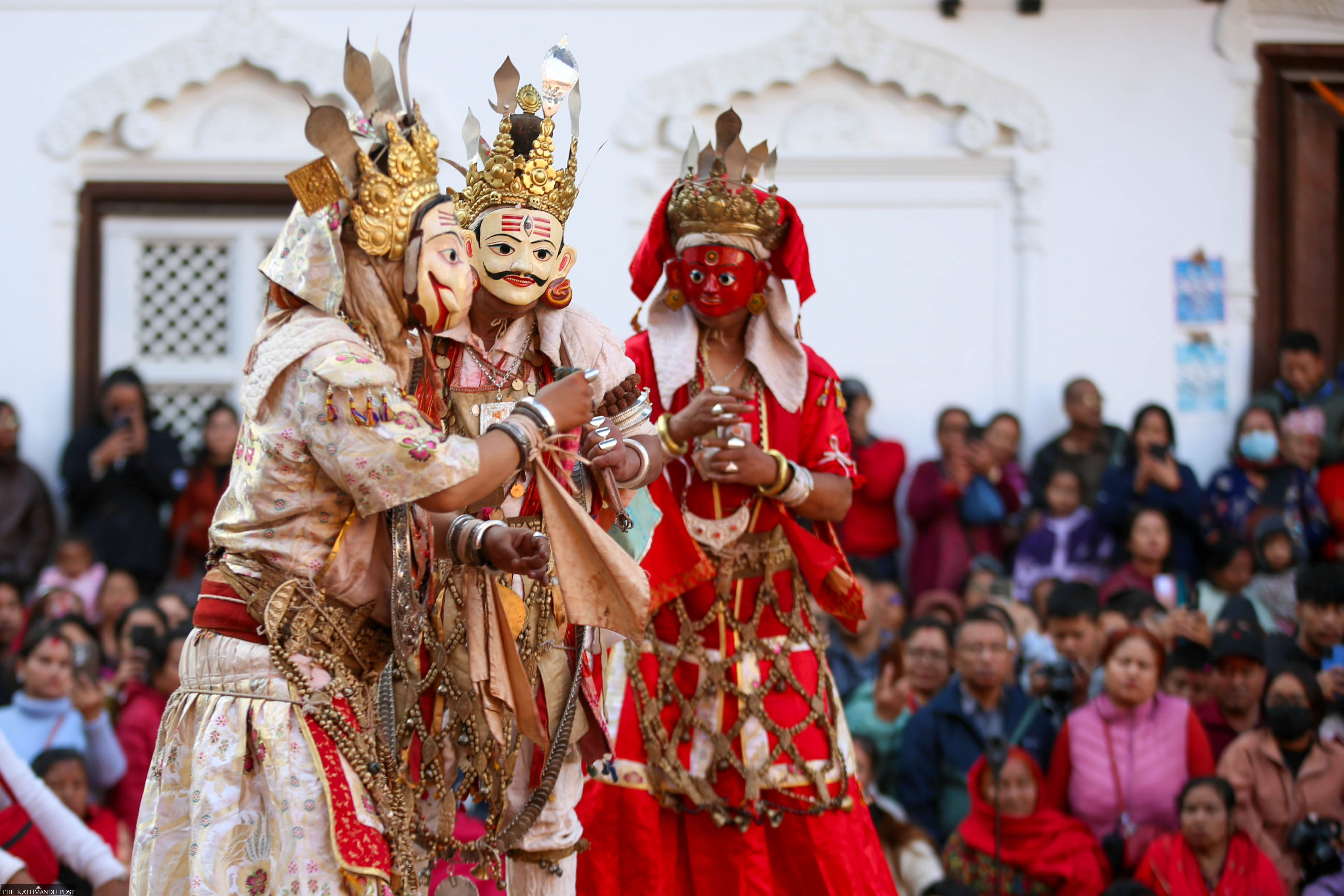
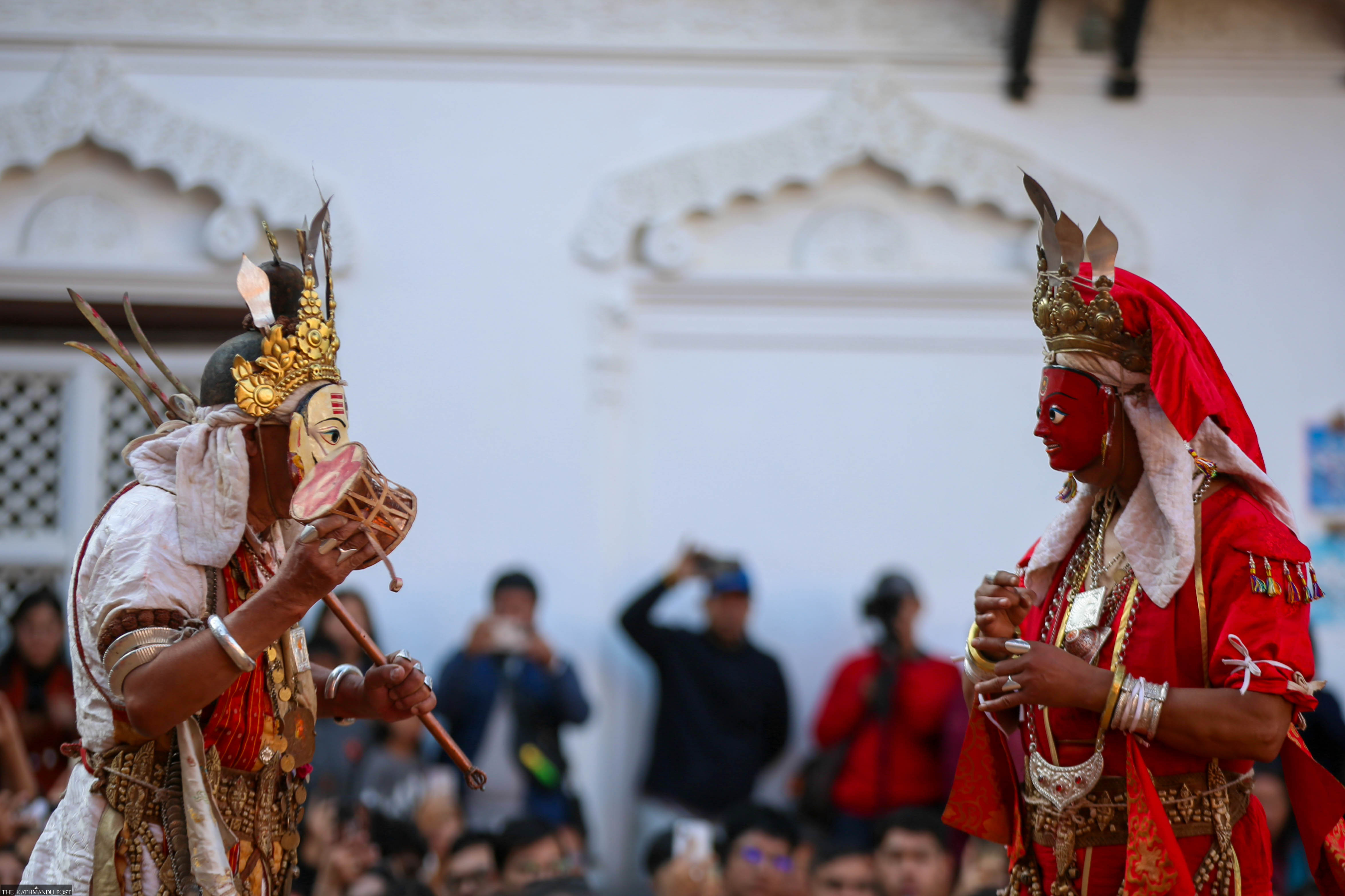
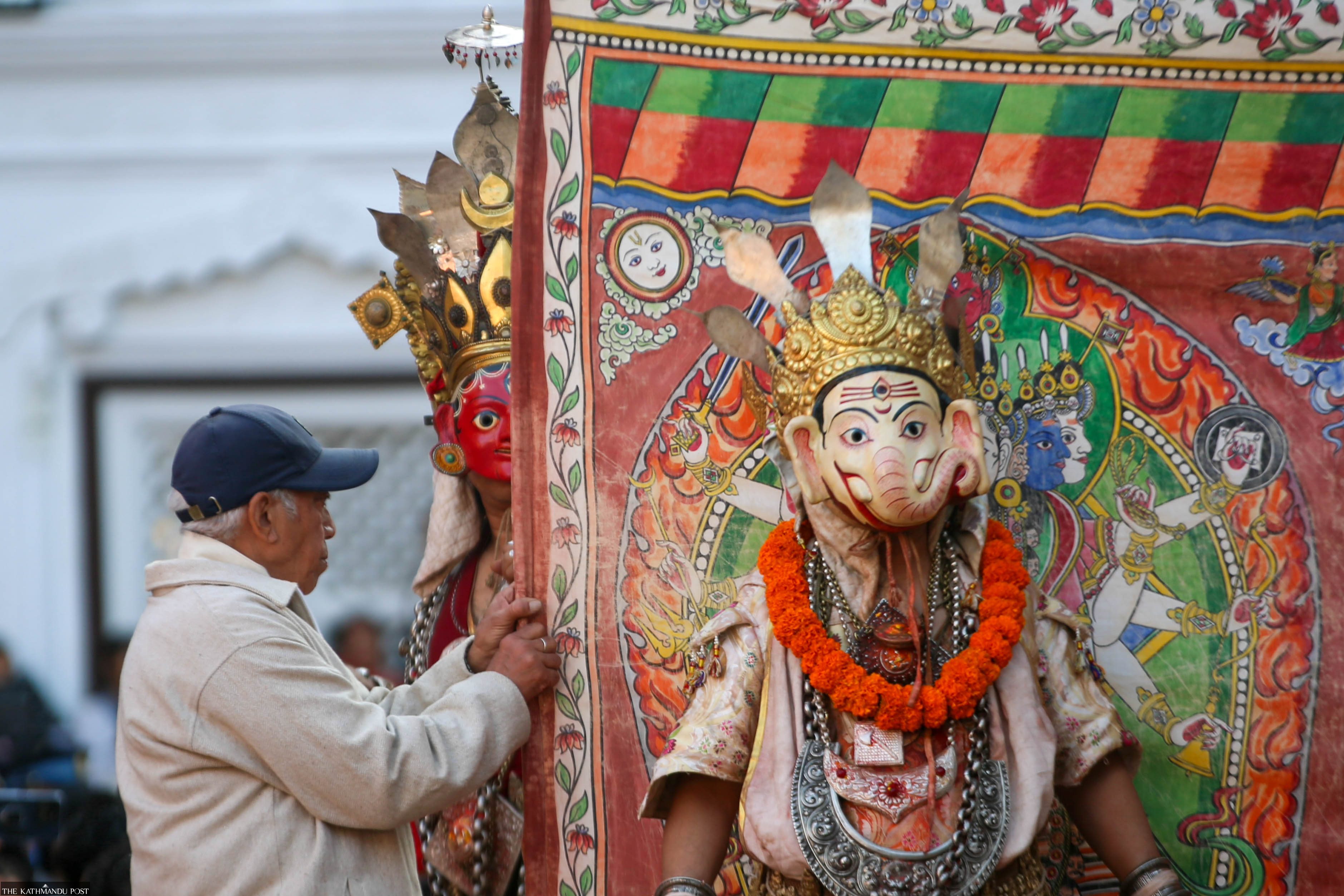
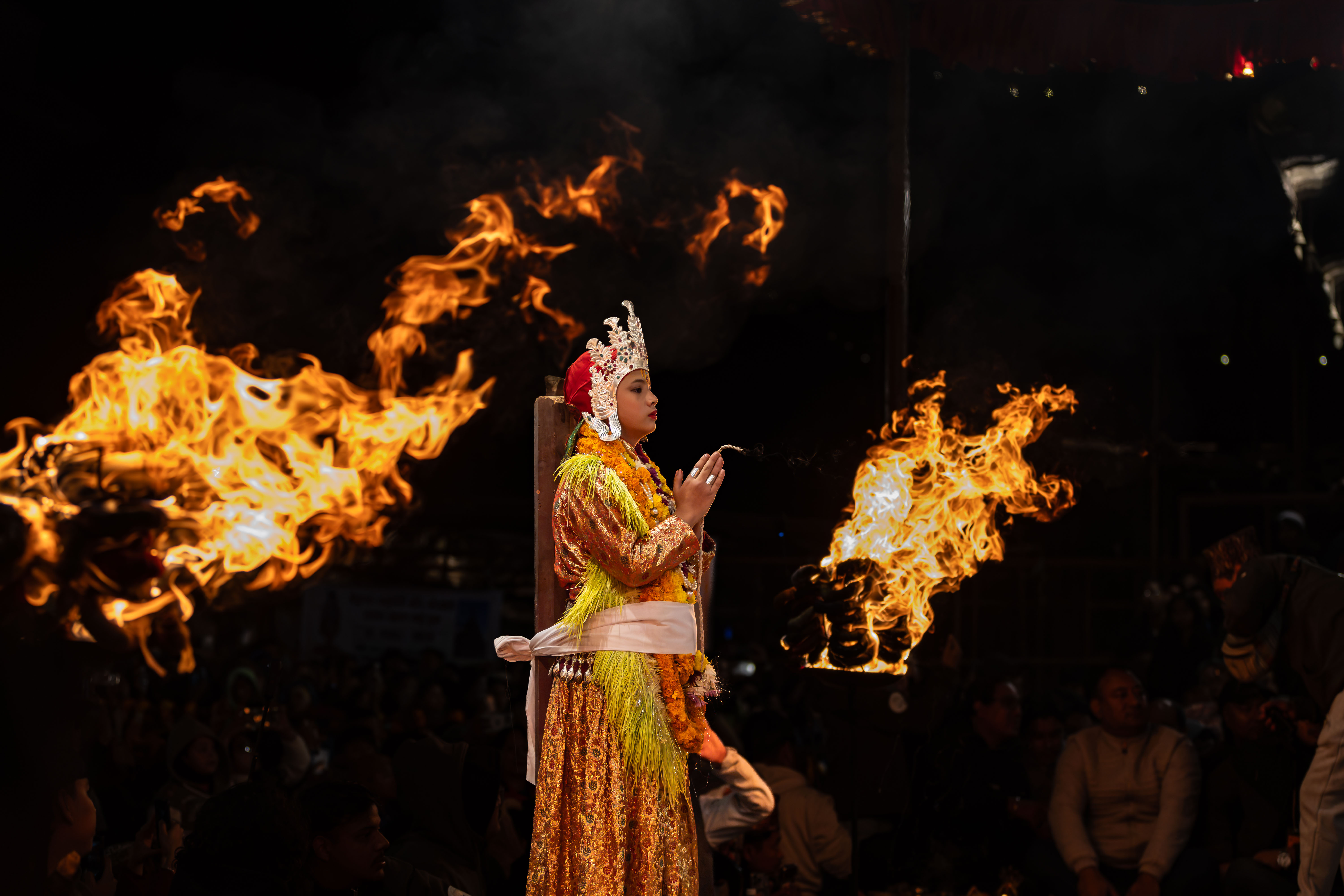
The Newari tradition of Naradevi Shwetakali dance, held once in 12 years, concluded at Hanumandhoka on Saturday.Dipesh Darshandhari
Published at : November 28, 2026
Updated at : November 28, 2026 20:26
For four days, the old heart of Kathmandu belonged to the gods.
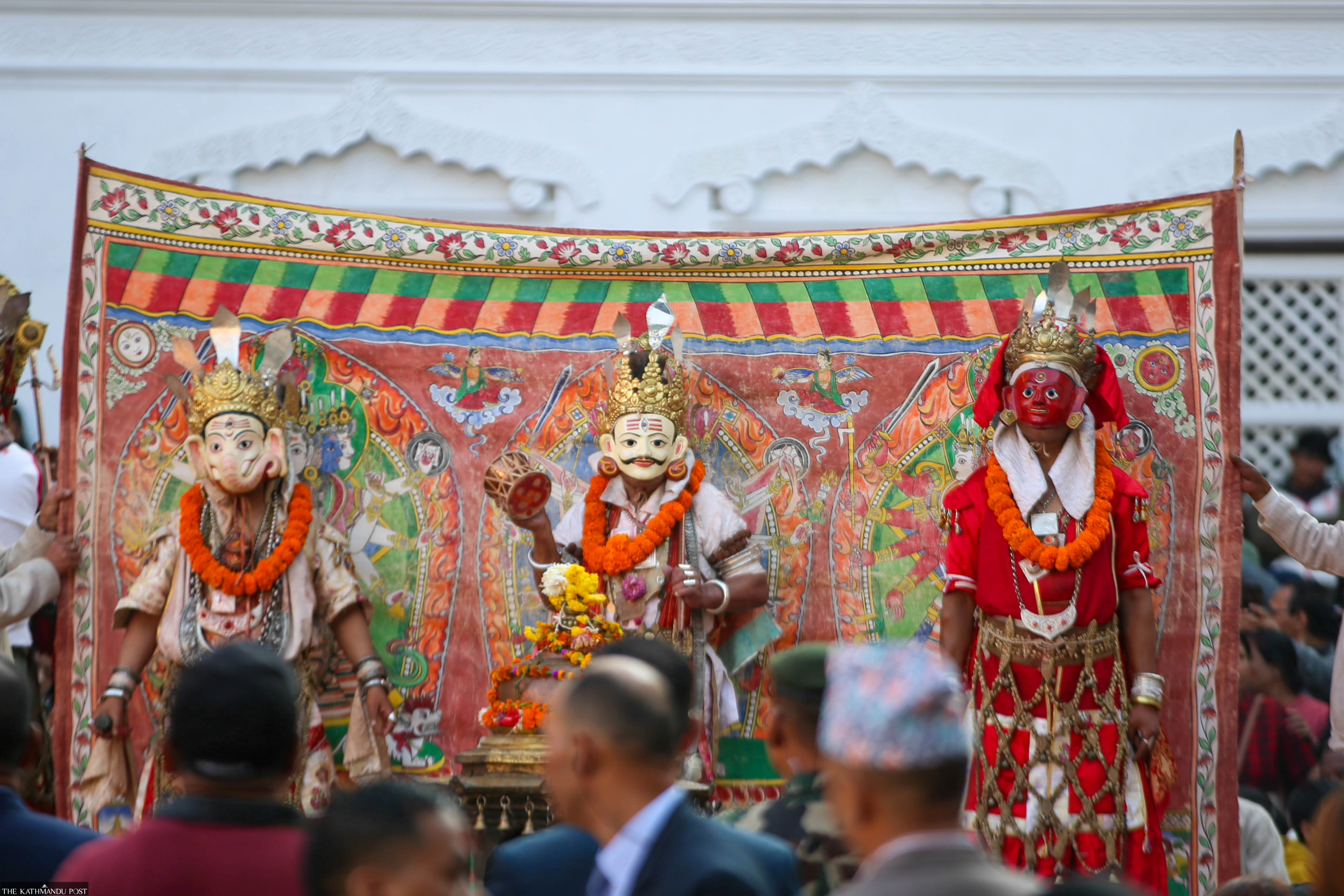
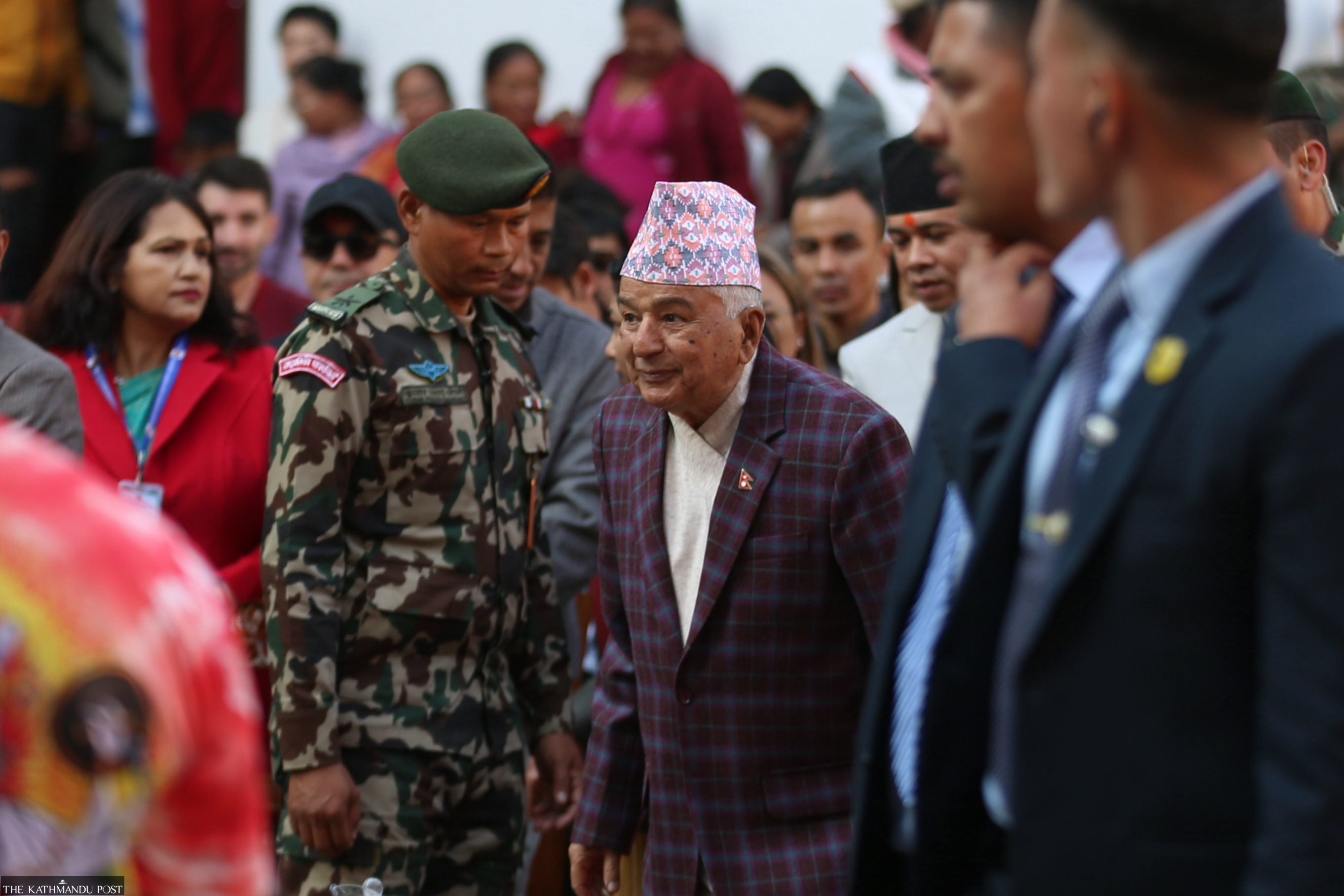
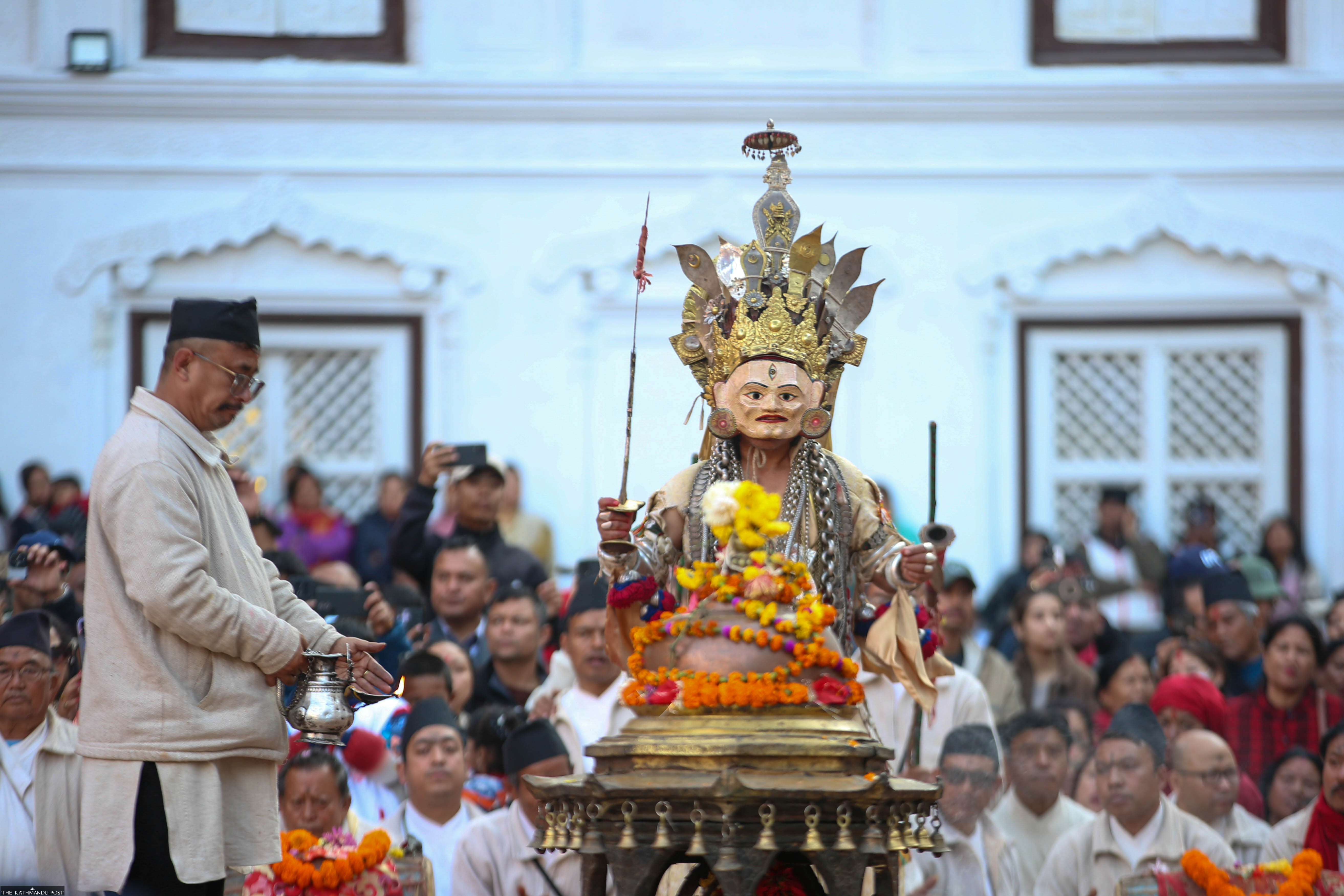
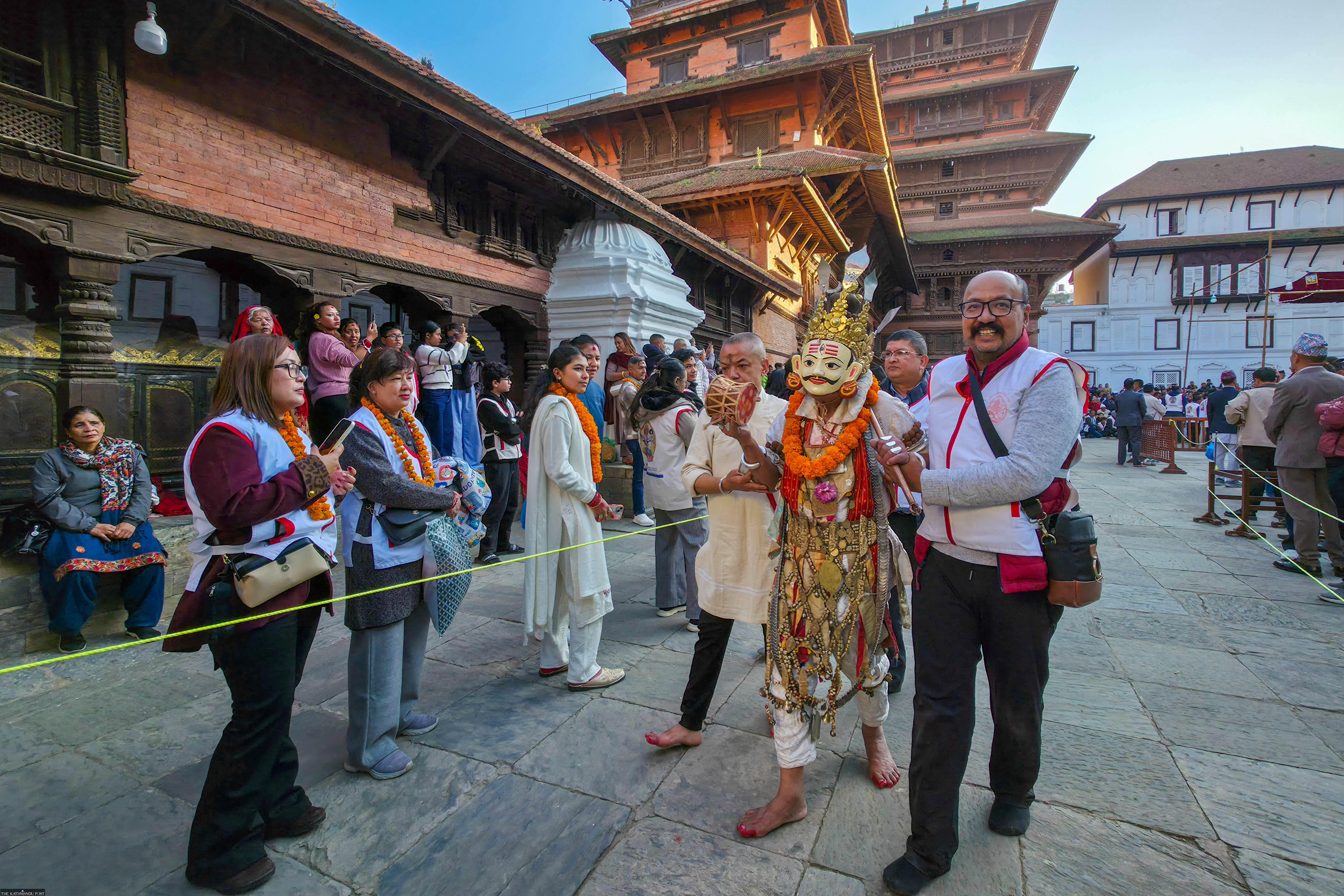
Beginning on November 25 in the courtyard of Akash Bhairav, the Naradevi Shwetakali dance moved through the capital's historic settlements. It closed on Saturday (November 28) at Nasal Chowk, inside Hanumandhoka Durbar Square, with President Ramchandra Paudel among those watching. The Newar community worships the goddess as Nyatabhulu Ajima, or Shwetakali, and many revere her as protector of the Kathmandu Valley.
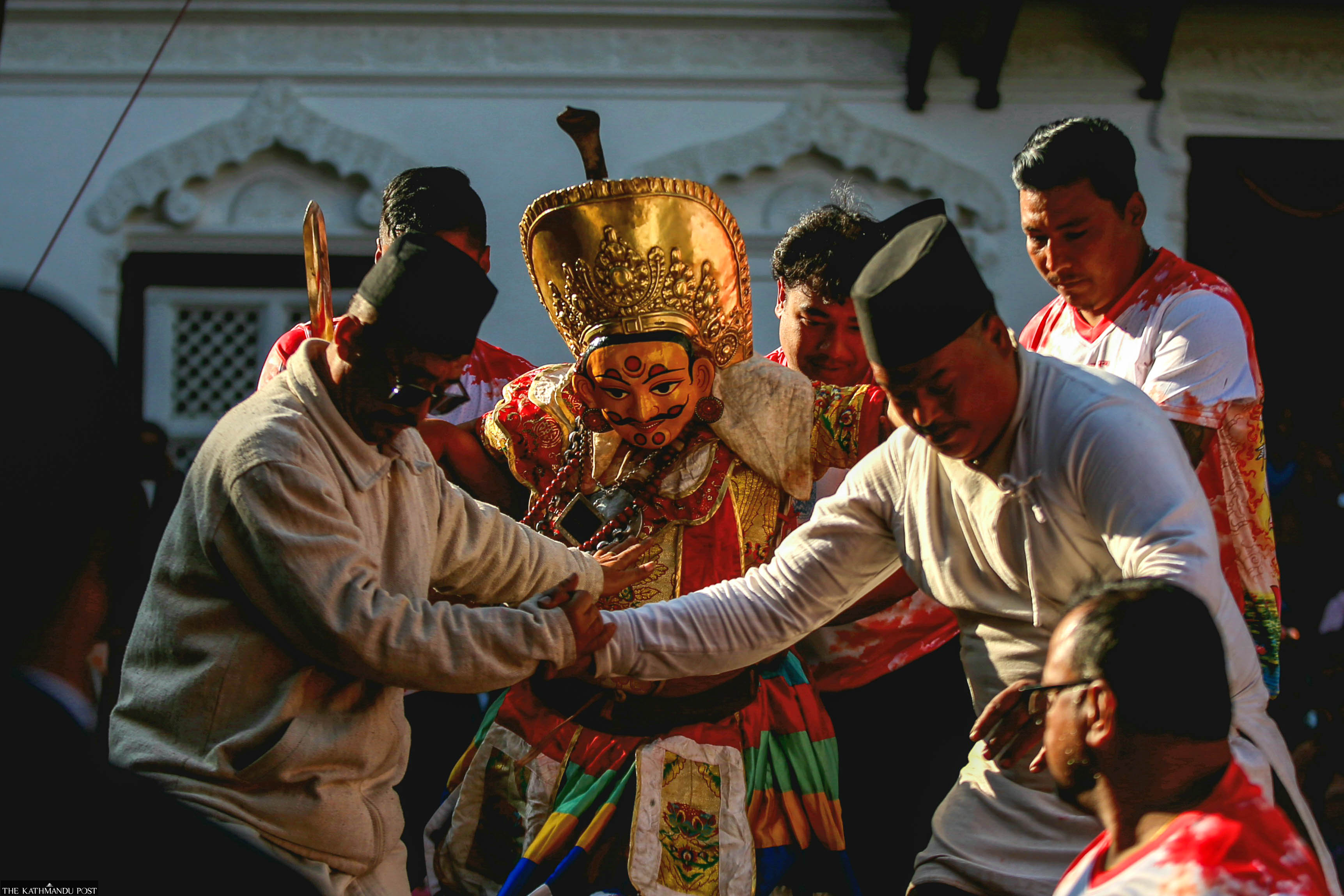
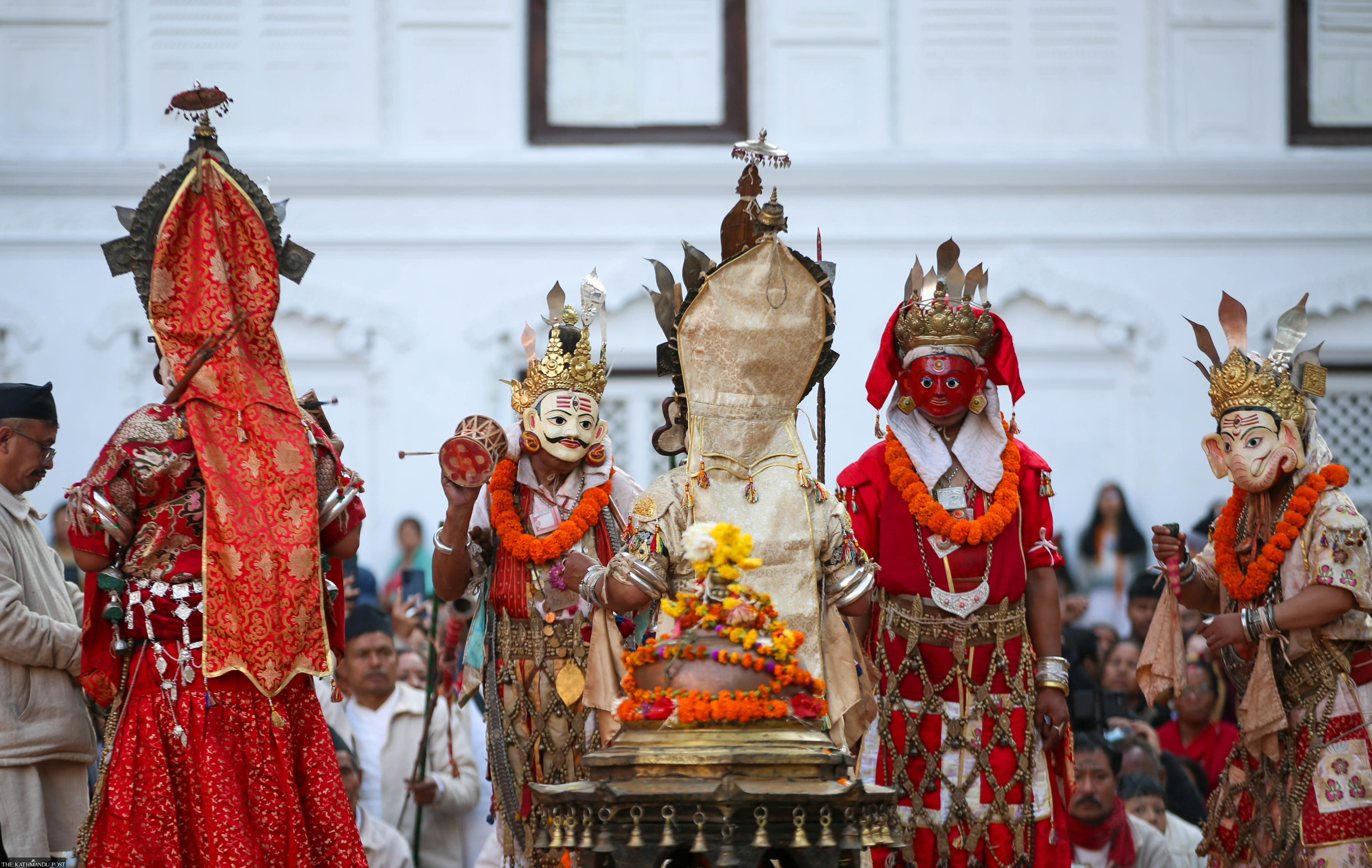
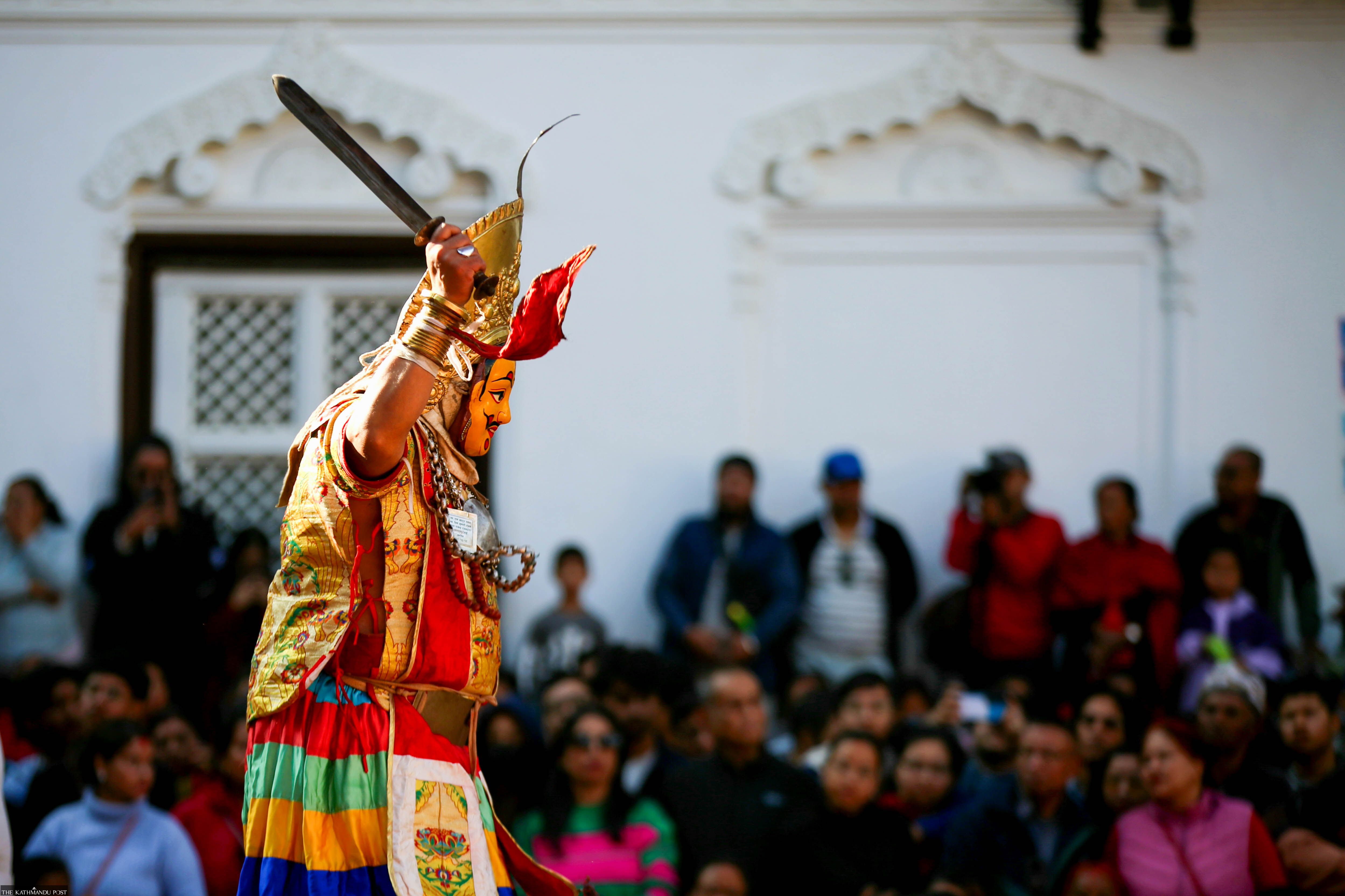
Behind masks, crowns and heavy metal ornaments, the dancers became Shwetakali, Kumari, Bhairav, Ganesh and the Astamatrika. Tantric mantras and traditional Newar music carried them through the courtyards.
The ritual is not quite a once-in-a-lifetime affair. Every Pahachahre, a dozen deities step out onto the dabali, but the twelve-year edition swells the cast and deepens the rituals. Over the cycle, the dance is performed at twelve sites across twelve years, from Banepa to Lalitpur, Kirtipur and Bhaktapur, as well as Kathmandu's own dabalis.
Tradition credits King Gunakamadev of the 10th century with establishing the goddess, and King Amar Malla of the 15th with the masked deity dances. The purpose has outlived both kings: to turn away misfortune and invite peace and prosperity.
TKP's photographer Dipesh Darshandhari was at Nasal Chowk for the final day.
×