Films rooted in family, migration, sacrifice, and social change are dominating the box office. Is this merely a winning formula—or are audiences looking for something deeper?
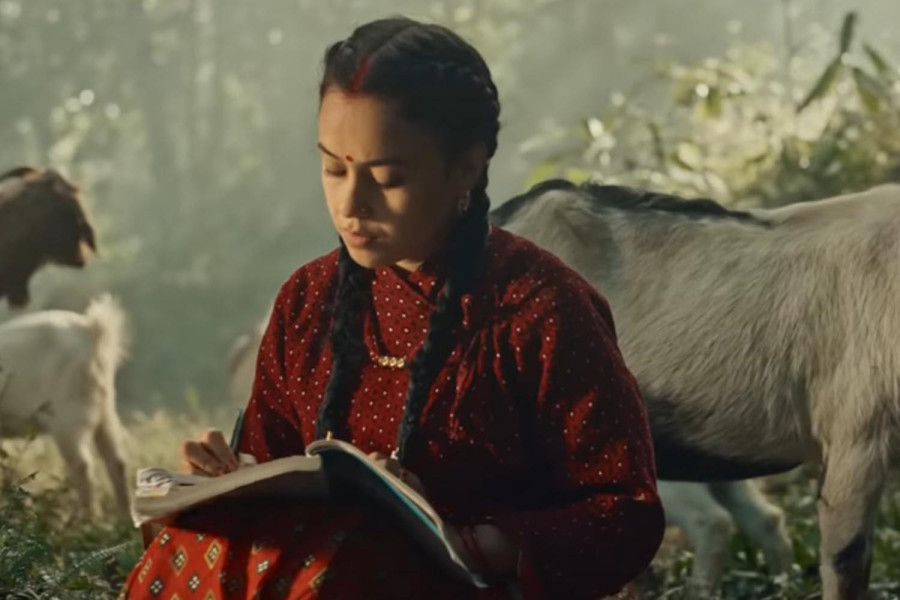
As the unprecedented highest-grosser of the year so far, ‘Gauthali’ is currently running in its eighth week at cinemas.
It’s surprising to see that a remake of a musical film of the same name from 2001, starring Rajesh Hamal in the lead, which had gone largely unnoticed, would be remade 25 years later by the original writer’s son with a relatively unknown cast and become the second biggest grosser of the country ever, that too on an off-season release.
What are the odds?
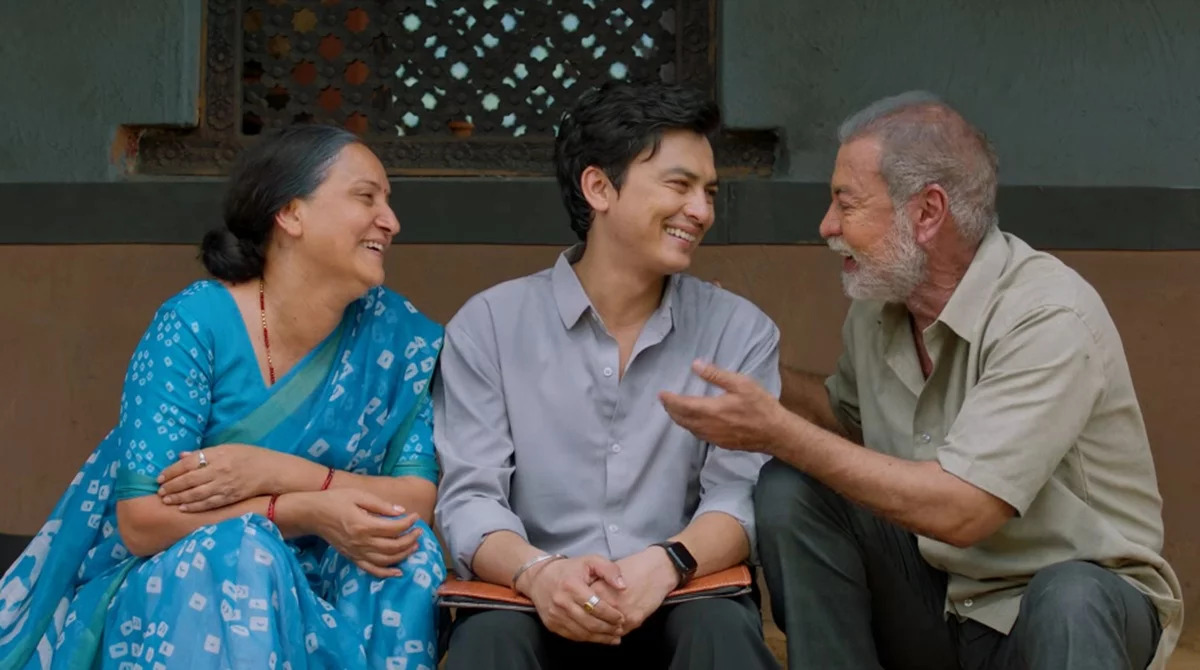
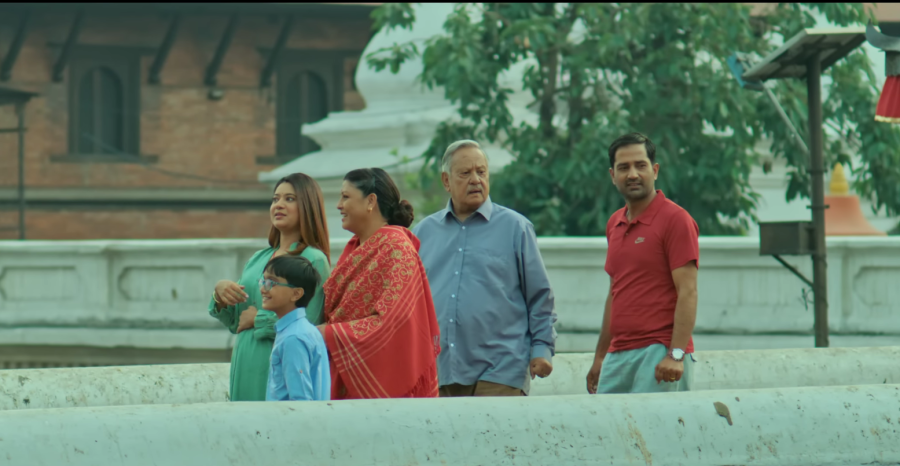
But it’s not really surprising if one analyses the trend of Nepali movies, where emotionally charged social melodramas have been the biggest earners for the last couple of years: ‘Purna Bahadur Ko Sarangi’ (2024), ‘Paran’ (2025) and ‘Aa Bata Aama’ (2026), ‘Gauthali’ and ‘Lalibazar’ (2026 so far).
So, what shifted in the taste of Nepali cinema audiences? Why this growing obsession with highly melodramatic, tear-jerking films? Is it merely a passing trend, or is there something deeper at play?
In the last 5 years, Nepali cinema has been breaking box-office records, with ‘Kabaddi 4’ earning over 200 million. Then ‘12 Gaun’, ‘Chhakka Panja 4’, ‘Jaari’, and ‘Mahajatra’ all followed in with big numbers, respectively.
Four of these were part of popular franchises. The other two had good hype, mainly due to the star cast and benefiting from holiday releases. And then came ‘Purna Bahadur Ko Sarangi’ in 2024. It had the advantage of a festive release, but it wasn’t backed by a big star cast. Instead, it marked Bijay Baral’s first major outing as a lead actor after years of winning audiences over in supporting, often comic roles.
This film, made by a debutant, wasn’t a comedy, a romance, or even an escapist action thriller, but a father-son tragedy. It had an underwhelming start but picked up with strong word of mouth, aided by efficient digital marketing through reels, shorts, and videos of people sobbing while watching the film.
Diaspora audiences (who are always the most excited bunch) also felt compelled to watch something native and emotionally charged during a holiday period. The buzz kept growing thanks to its melodramatic yet soulful music and almost unanimous love on social media. This took the trade, the film industry, and experts by surprise, as the year’s biggies had already released a month earlier.
A low-key film like ‘Purna Bahadur Ko Sarangi’ went on to earn more than twice what ‘Kabaddi 4’ had grossed in its entire theatrical run, setting a historic box-office record. In hindsight, certain elements and patterns emerge that may help explain the film’s success—and those of the films that followed.
Post-Covid, the huge increase in people’s participation in recreational activities was felt all across the globe. Stadiums started to fill, drama houses went houseful, and travelling reached new heights; biking, camping, hiking, yoga, and dancing were all celebrated more.
As if seeing death so closely had made the world want to experience life more intensely. Cinema was no exception. In the years that followed, box-office records were being broken across the world, from India and Hollywood to China.
The influence had to reach Nepal too, through the aforementioned movies. Almost all of them were unique to the nation’s culture and social life. Dayahang Rai became the biggest star in this period as his films were culturally rooted, representing different indigenous groups for the first time on the big screen via Nepali language mainstream movies.
In India, South Indian escapism came back in the form of ‘Pushpa’, ‘RRR’, ‘KGF’. Even the highest grossers from Hindi Cinema were the likes of ‘Dhurandhar’, ‘Jawan’, ‘Pathan’ and ‘Animal’. They all were of a certain mold and did well here as well but the slice of life, romantic dramas, social commentaries or family melodramas that Bollywood had been known for previously almost stopped being made, which created a vacuum for its audiences.
The outing culture that started post-Covid was now served only testosterone-fueled men blowing up 100 people at a time. Furthermore, TV began migrating to YouTube, where social comedies and dramas like ‘Sakkigoni’ and ‘Juthe’ were doing the numbers, catering to the lowest common denominator. Reality shows started to trend, but they weren't meeting the audience’s emotional quotient, and they needed a larger narrative canvas to draw from.
A typical Nepali household had a lot to process recently with political instability, economic crisis, unemployment, aggressive emigration, structural shifts, family fragmentation, etc. While TikTok reel culture individually did help pour out frustrations and find relatability, they all felt short-lived; a communal experience like cinema viewing made one empathise with a highly symbolic representation of one’s own family life.
Furthermore, increased access to the internet meant audiences were constantly exposed to short-form videos built around emotional, relatable moments. Filmmakers were quick to capitalise on this, turning social media into a powerful tool for generating interest in their films. Unlike Indian and American films, however, Nepali films were not readily available online soon after their theatrical runs. That created a sense of exclusivity—and a fear of missing out—that pushed audiences to cinemas while they still had the chance.
From a thematic viewpoint, the successful films shared many commonalities, which were directly linked to mass consciousness. ‘Purna Bahadur Ko Sarangi’ was about a father’s sacrifice, his struggle to make ends meet for his son.
Sarangi served as a symbolic gesture of cultural identity. The film reflected a melancholic sense of lost identity as modernity reshaped society. ‘Paran’ focused on parental loneliness, the psychological effect of foreign migration, and the deep ache of generational separation in modern Nepal.
‘Aa Bata Aama’ also focused on family sacrifices, migration, and the generational gap. ‘Gauthali’, a period drama dealing with child marriage, patriarchy, and mental illness, gave one generation of women an opportunity to reflect back on their own hardships.
Although presented at a very high pitch, the emotions these movies evoked felt deeply personal to an average Nepali audience, as they subconsciously touched on the inner battles that all generations have been facing, including conflicts between traditional and modern life, widening generation gaps, economic crises, changes in parental roles, etc.
These films offered audiences a rare moment of self-reflection: what does it mean to be Nepali in 2026, amid everything the country is going through? Few other mediums, or languages, have managed to provoke that question in quite the same way.
The films also reflect a large part of the population’s need to hold on to traditional forms and values that seem to be fading away. Maybe this is why filmmakers who strongly feel attached to them have been able to tap into this mood and capitalise on it.
There have been films, though, that tried to replicate it but couldn't. Different factors could be at play here, such as them simply following a market trend rather than having anything honest or potent to say.
However, if one looks at the slate of upcoming films, the tear-jerking machine shows no signs of slowing down. Sequels to several of these successes are already being announced and made. Only time will tell whether they can hit the same emotional nerves as their predecessors.
At some point, though, audiences may need something else to feel—and something else to reflect on. Like everything else in the world, this machine, too, will eventually have to stop.




 23.39°C Kathmandu