Why Nepali film sequels are struggling at the box office
From 12 Gaun to Jaari, recent follow-ups have failed to repeat their originals’ commercial success, with critics pointing to recycled plots and an overreliance on popular names. Sequels of hit Nepali films often try to cash in on the brand value rather than advance the story, hence most bomb at the box office, critics say. Screengrabs
The 2024 Dashain release 12 Gaun marked actor Biraj Bhatta’s return to directing and acting after a long break. His son Samir made his debut in the action-drama. The duo played the lead roles in the film, which grossed a whopping Rs200 million at the box office. Its success helped revive the action-drama genre in Nepali cinema.
Several action films followed, including Balidaan, Ram Naam Satya and Acharya. None, however, managed to replicate the commercial success enjoyed by 12 Gaun.
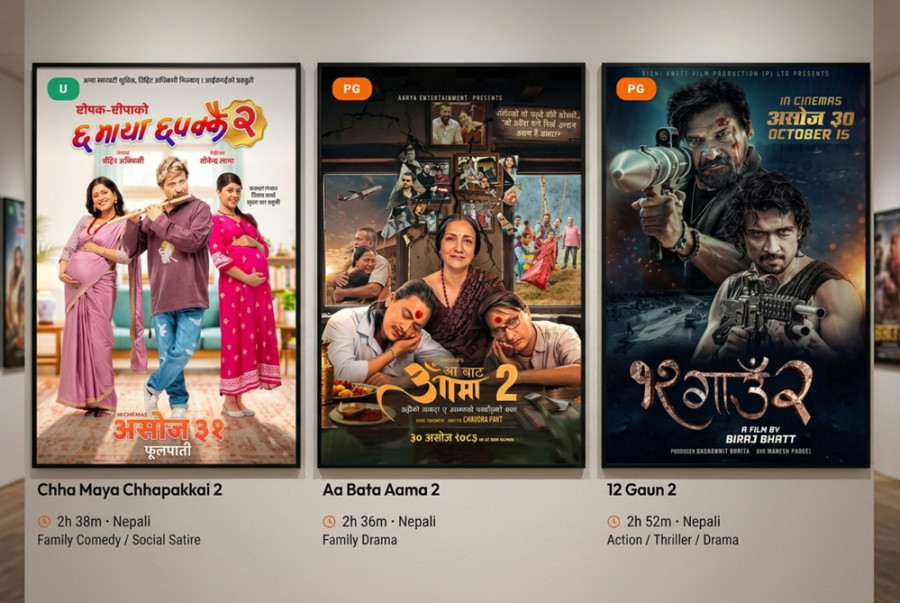
Buoyed by the success of the original, Biraj decided to make a sequel to 12 gaun for release during Dashain 2026. The film opened in cinemas on October 15 amid similar excitement. But 10 days after its release, its box-office performance remained underwhelming. According to the Film Development Board’s box-office report, the sequel had grossed Rs18.39 million by Sunday evening, far below that of the first instalment.
Dipendra Lama’s Chha Maya Chhapakkai, released in 2019, had also been a commercial success, earning more than Rs140 million. Films made by the duo known as Deepak-Deepa, comprising Deepak Raj Giri and Deepa Shree Niraula, had consistently performed well at the box office.
After making the Chhakka Panja franchise, the pair took a break from that series to continue the story of Chha Maya Chhapakkai. This time, however, the film failed to replicate their earlier success. According to the box-office report, Chha Maya Chhapakkai 2 had earned Rs27.64 million by Sunday. The board updates its report weekly.
Chandra Pant’s Aa Bata Aama, released in January 2026, also grossed more than Rs130 million. But its sequel, released during Dashain less than a year later, has also fallen short of expectations. Aa Bata Aama 2 earned Rs41.15 million, according to the latest figures cited in the report.
The three sequels released this Dashain are not alone in falling short of their originals at the box office. Several earlier Nepali sequels have also struggled to repeat their predecessors’ success.
Gyanendra Deuja’s Jhingedaau, released four years ago, earned around Rs100 million. Encouraged by its success, Deuja made a sequel four years later. But Jhingedaau 2, released on September 18, has also struggled at the box office, grossing only around Rs15 million.
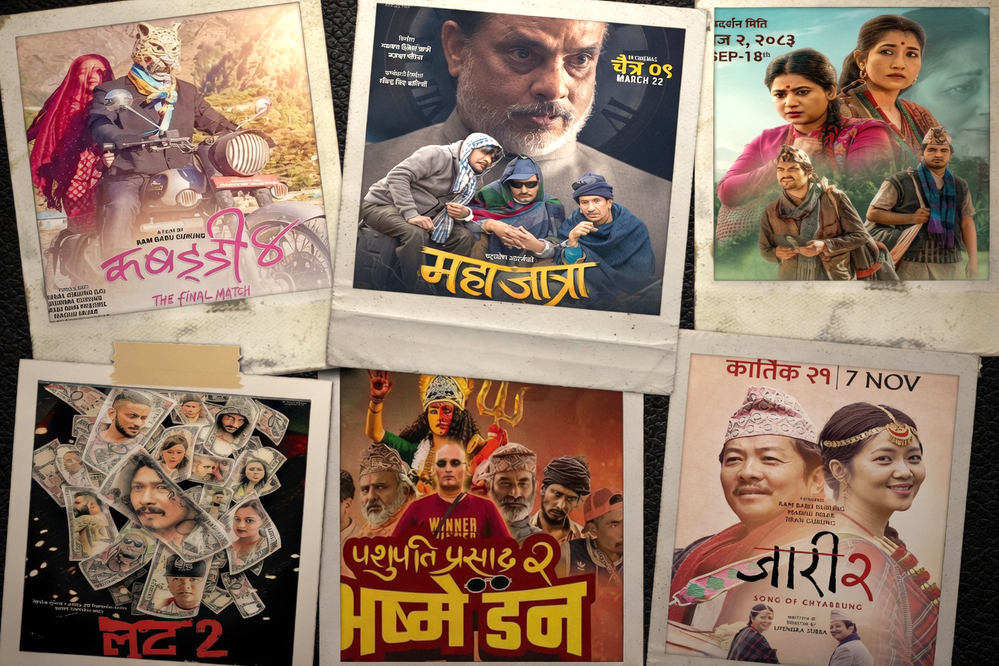
Upendra Subba’s Jaari, released in 2023, offers another example. The film earned more than Rs170 million, with audiences and critics praising its distinctive storyline and authentic flavour. Encouraged by that success, Subba made Jaari 2. Released in late 2025, the sequel earned only Rs61.9 million, falling well short of the original.
Yet not every Nepali film franchise has suffered the same fate. Ram Babu Gurung’s Kabaddi series and Pradeep Bhattarai’s Jatra franchise have continued to perform well, with later instalments often earning more than their predecessors.
Gurung’s latest Kabaddi 5 film has been showing in cinemas since October 23. Although box-office figures are not yet available, cinema occupancy has been encouraging. The franchise’s fourth instalment grossed more than Rs210 million.
Bhattarai’s Jatra series has also gained commercial momentum with each release. Mahajatra, released in 2024, grossed more than Rs160 million.
Director KP Pathak believes most sequels underperform because they fail to deliver a story as strong as that of the original. Making a sequel, he says, should mean completing an unfinished story or exploring important elements that the first film left unresolved. In Nepal, however, sequels are often treated primarily as brands.
“Sequels are underperforming because filmmakers focus on making money from the name of the original or the popularity of its characters rather than continuing the story,” Pathak said. “The later instalments lack the organic creativity, strong character arcs and emotional connection that made the first film successful.”
He said repeating the same storylines and formulas had made audiences increasingly wary of sequels, with many now preferring original films that stand on their own.
Film critic Yangesh says Nepali sequels often fall short of their originals.
“When I watch most sequels, they do not seem to have been made to surpass the original,” he said. “That does not mean sequels should not be made or that filmmakers should stop making them. What matters is whether they genuinely continue the story or simply borrow the original film’s name to serve other interests.”
Yangesh cited films such as Gangs of Wasseypur and The Godfather, whose sequels are integral to their larger narratives rather than being made merely to capitalise on a successful title. Nepali sequels, by contrast, are often driven primarily by commercial considerations, he argued.
“More often than not, the second or third instalment is not as good as the first,” he said. “As a viewer, I would be delighted if a sequel managed to surpass the original.”
Box-office earnings matter to people working in the film business, Yangesh added. “What audiences care about is the content.”




 13.27°C Kathmandu