For Karnali Province, hosting the 10th National Games, after a two-year hiatus, is more than an opportunity to organise a major sporting event. It is a chance to demonstrate its capacity, challenge the image of a province associated with poverty and remoteness, and build a lasting sporting culture. Since the first National Games were held in Kathmandu in 1982, Karnali had never hosted a competition of this scale. The ongoing event therefore carries particular significance for the province and its people.
There was a time when spectators in Surkhet climbed onto bus roofs, house terraces and even trees to watch national-level sporting events. Facilities for athletes were limited, and organisers often had to make do with basic arrangements. For a province long associated with geographical isolation and inadequate infrastructure, hosting thousands of athletes, officials and visitors is a source of collective pride. The benefits, however, should not be measured solely by the smooth conduct of competitions. The real achievement will depend on what they leave behind.
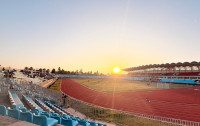
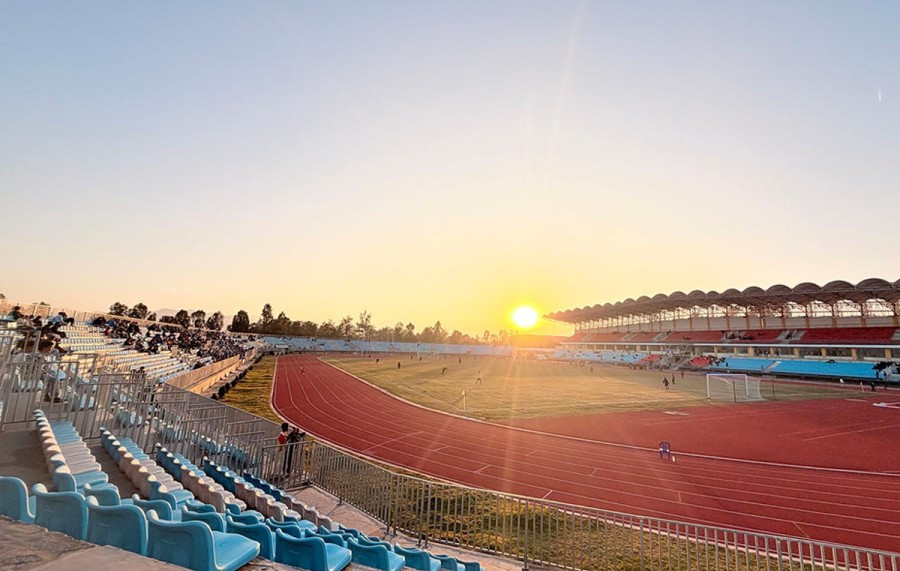
The provincial stadium in Birendranagar has a 10,000-seat stand, an international-standard football ground, an eight-lane synthetic athletics track, a swimming pool and a multipurpose indoor hall. These facilities can provide local athletes with opportunities previously unavailable in the province and encourage young people to take up sports.
But building infrastructure is only the beginning. Regular use, maintenance and effective management are equally important. The athletics tracks at the Nepalgunj and Beljhundi stadiums in Dang, built for the eighth National Games, have deteriorated over the years because of inadequate maintenance. If similar neglect awaits Karnali's new facilities, the investment will be wasted. The provincial government must establish a clear management framework, allocate maintenance budgets and ensure that the stadium remains accessible to athletes after the ongoing competition is over.
The federal government must support further expansion of the facilities so that every event can be held within the province, unlike this time. However, modern infrastructure alone cannot produce successful athletes without grassroots training, coaching and regular competitions.
Equally concerning is the irregularity with which the National Games have been organised. The first edition was held in 1982, but the 10th is taking place only in 2026. Some editions have been separated by gaps of 10 or even 13 years. The ninth was held in Pokhara in 2022, and Karnali was initially expected to host the next edition in 2024. Repeated postponements due to a lack of preparations pushed the event back by two years. Such uncertainty undermines the purpose of a national sporting competition.
Regular competitions are essential for identifying emerging talent, improving athletes' performance and preparing them for international events. The federal government, National Sports Council, provincial governments and sporting institutions must work together to ensure that the National Games are held at predictable intervals.
The Karnali provincial government must view the 10th National Games as the beginning of a longer-term commitment, not a one-off achievement. It should prioritise sports development in its policies and budgets, ensure sustainable management of the new facilities and encourage competitions at provincial and local levels.
Karnali has an opportunity to show that it can host a major national event. But it also faces the challenge of sustaining the momentum. If the stadium remains functional, young talent receives sustained support and sporting opportunities expand across the province, Karnali will achieve something far more lasting than a successful tournament.




 8.12°C Kathmandu