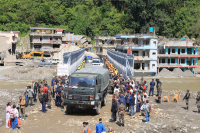
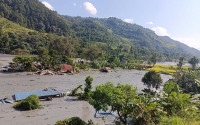
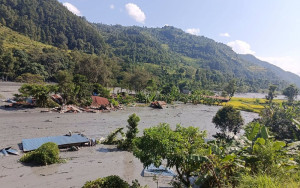
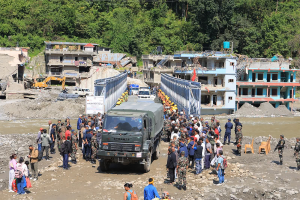
Nepal’s hospitality industry was gradually picking up pace after last year’s deadly Gen Z protests, which sent a strong message of insecurity. Nearly a year later, the devastating floods of August 26 delivered another shock. With hundreds of tourists, mainly pilgrims travelling to Kailash Mansarovar, from over two dozen countries missing, a number of reports have indicated massive hotel booking cancellations.
Breaking from the growth in tourist arrivals seen in most months of the year, Nepal recorded a 3.65 percent decline in foreign visitors to 85,444 in August. The repercussions are being felt in September and are likely to persist in the coming months. A decline in tourist arrivals in September, October and November is particularly concerning, as these are peak tourist months that account for around 40 percent of annual arrivals.
The August 26 cascading disaster demanded the entire country’s attention. But it has not affected the whole country or most of its major tourist destinations. Major disruptions along the routes to Langtang, one of Nepal’s famous trekking areas; the pilgrimage site of Gosaikunda; and the route to Kailash Mansarovar in Tibet, China, could take months, if not years, to return to normal.
The disaster, however, has not affected any other trekking route and popular tourist destinations. The routes to Annapurna, Everest Base Camp, Makalu and Manaslu, as well as Pokhara, Chitwan and other destinations, for example, remain open and safe. They are waiting to welcome tourists.
This message that most of Nepal’s tourist destinations remain safe for travel needs to be disseminated much more aggressively. Since the disaster, Tourism Minister Khadak Raj Poudel has posted a video message saying, “Our mountain trails and trekking routes are still waiting for you.” The Nepal Tourism Board, which is responsible for promoting the country’s tourism, has also posted a few messages saying Nepal is safe to travel under its #NepalCalling campaign. This, however, is far from enough.
The board needs to promote its message, “Nepal is safe to travel, and we need you now,” much more aggressively, making maximum use of its social media platforms and promotional channels abroad. It should launch a joint campaign with tourism stakeholders to strengthen and amplify the message. Nepal’s diplomatic missions in around three dozen territories should also come forward to convey the message in their respective locations.
With the tourism sector contributing around 6.7 percent to the country’s GDP, it has considerable potential for further growth. Over the years, the hospitality industry has attracted investment on an unprecedented scale. Several luxury hotels, resorts and adventure tourism activities have received billions of rupees in investment. This expansion has also gone beyond Kathmandu Valley and its vicinity, with the establishment of five-star properties in places such as Mustang and Banke.
But these investments need tourists to remain viable and to encourage further expansion. As one of the world’s most disaster-vulnerable countries, Nepal is likely to face other disasters in the future. Along with developing a recovery plan for the months ahead, the government must also devise measures to ensure that future disasters have the least possible impact on the tourism sector. This is essential to protect one of Nepal’s most important economic sectors and ensure that a temporary setback does not become a long-term crisis.




 22.94°C Kathmandu