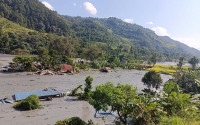
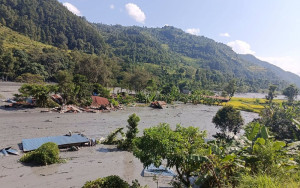
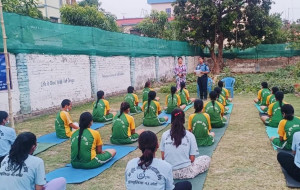
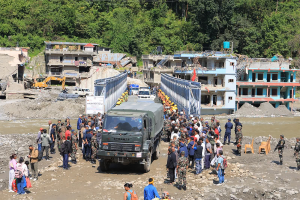
Fourteen days after the Bhotekoshi flood devastated parts of Nepal, some of the worst-affected local units have resumed schools. Teaching and learning will continue in the existing structures and, where no school buildings remain, from temporary learning centres. The entire country has been maimed by the human and physical losses caused by the disaster, and the suffering in the worst-affected districts is beyond imagination.
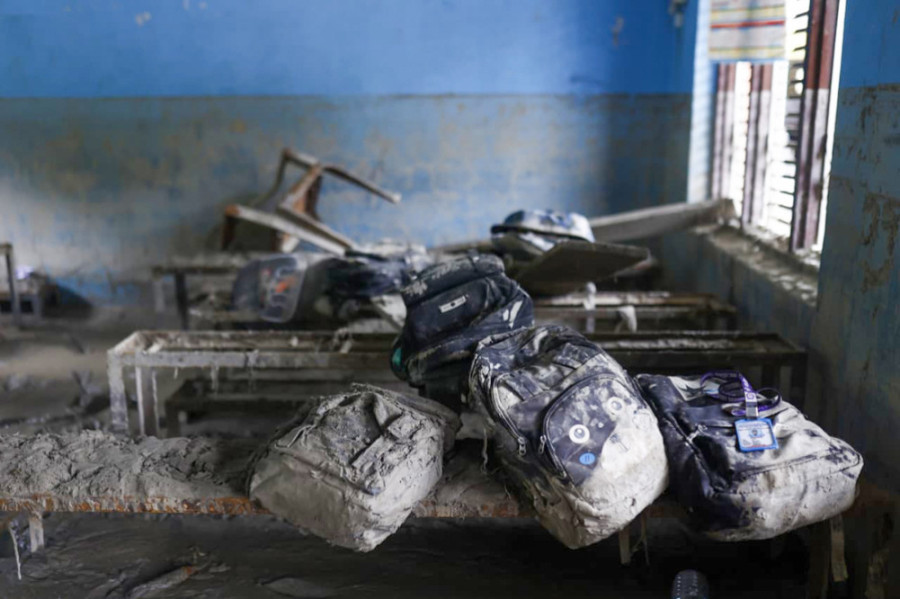
Yet steps should be taken towards getting back to normalcy, adopting regular routines to the extent possible. Resuming schools is one such step. A report by the Ministry of Education shows that 22 schools in three districts have been affected, 12 of them completely destroyed. Thousands of schoolchildren enrolled in these schools have had their education disrupted since the disaster. The number of schoolchildren reported missing alone is over 600.
Students’ uniforms, copies, books and other learning materials have been washed away along with school buildings and homes. Before classes resume, temporary learning centres must be adequately resourced, and students must be provided with the materials they need to continue their studies.
According to the National Disaster Risk Reduction and Management Authority, temporary learning centres have been provided with learning materials. It is not clear, however, whether students have also received everything they require for their studies. More importantly, they need to be treated with sensitivity. Around 17,000 children affected by the floods have either lost their parents or close relatives, seen their homes swept away or witnessed devastation wreaked within minutes.
Concentrating on their studies after going through such traumatic experiences will take time. For a few weeks, the focus should be on helping students return to normal routines rather than pushing ahead with the curriculum and putting pressure on them to study. Teaching and learning should be blended with psychological counselling. Every school and temporary learning centre should have access to counsellors. Teachers, too, need guidance on how to deal with children who may be grieving, frightened or struggling to cope with what they have witnessed.
The government needs to pay particular attention to children who have lost their parents. Even as the government has yet to come up with exact data, hundreds of children are believed to have been orphaned by the disaster. Different organisations have announced plans to extend support by providing free education to orphaned children. Such initiatives are welcome, but the responsibility for these children cannot be left to charities and non-governmental organisations alone.
The state must first know who these children are, where they are and what they need. A comprehensive database of children who have lost one or both parents, been separated from their families or lost their homes should be prepared without delay. Where children cannot return to their families, the government must provide safe residential facilities with proper supervision and a homely environment. Such facilities must provide children with care, stability and protection, not just shelter and food.
Rebuilding schools and other physical infrastructure is important but helping children regain a sense of safety and normalcy is even more necessary. Getting the affected children back into classrooms is only the beginning. They need safe places to live, people to care for them, support to cope with their grief and every possible opportunity to continue their education. For children who have lost almost everything, ensuring that they still have a future cannot be left to goodwill or charity. It is the government’s responsibility to stand by them until they are able to stand on their own.




 18.6°C Kathmandu