A year on after Nepal’s Gen Z protests, have new leaders forgotten their reform pledges?
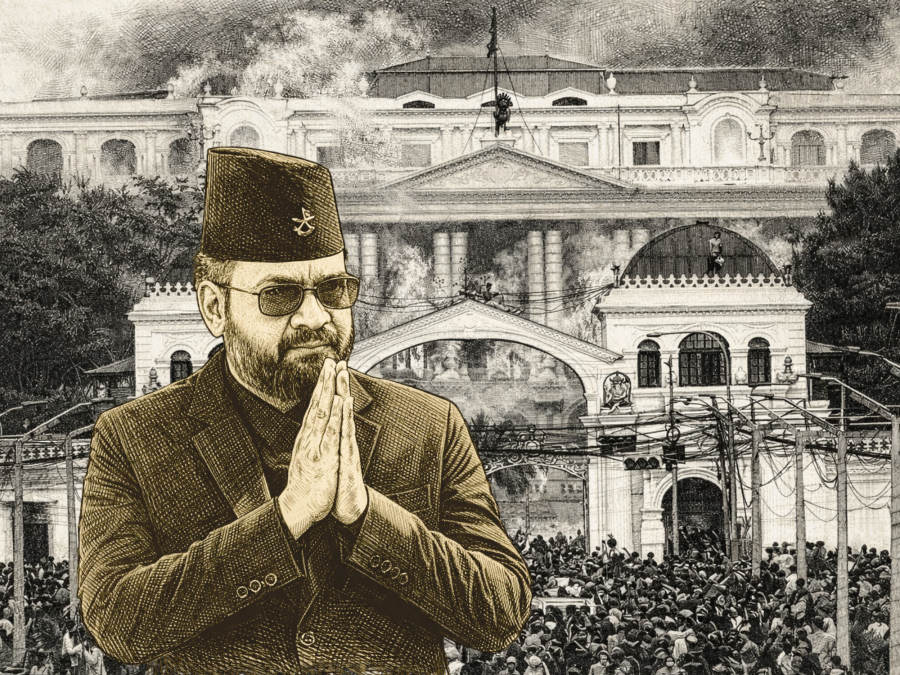
True institutional reform can only take root when current leadership stops bypassing due process, transparently investigates corruption, and implements verifiable accountability measures across every branch of government. Post Illustration
Today marks a year since the leaderless Gen Z protests shook the political landscape of Nepal. The immediate trigger for the uprising was the KP Oli government’s decision to block 26 social media platforms, suppressing digital freedom. Yet this restriction acted as a spark for wider anger against deep-seated corruption, systemic nepotism, and political impunity within the elite. The movement quickly demanded institutional integrity, transparency, the rule of law, and a change in leadership. Rather than a uniform movement with one programme, the uprising comprised diverse, concentric demands. It ranged from digital freedom to sweeping generational transformations and justice. This disruption came at a devastating human cost, with 76 deaths and over 2,600 injured. Each of those individuals fought for a fairer state, free from the old patterns of patronage.
After the protests, the interim government led by Sushila Karki delivered elections but repeated nepotism in appointments. The Rastriya Swatantra Party’s landslide victory in the March snap polls brought Balendra Shah to power, carrying immense hope. The administration showed initial zeal by implementing the Gauri Bahadur Karki commission report and arresting Oli and former home minister Ramesh Lekhak. Yet, both were soon released under habeas corpus, with formal charges still pending. That was the start of a recurring pattern where speed and decisive action bypass due process, ending in routine bail. Furthermore, executive power has been highly centralised, with policies announced on Facebook before Cabinet or legislative clearance. The reliance on personal popularity and one-way digital communication weakens parliamentary accountability, as the prime minister rarely addresses the legislature.
The disconnect between promised reform and practice is visible across the administration. While the government claims massive progress, an independent review found only 38 of its first 100 commitments were implemented. The administration has also faced criticism for appointments to key bodies like the Bagmati Civilisation Committee, Nepal Scouts and Tribhuvan University, reproducing old patronage. Similarly, forceful squatter clearance along Kathmandu’s riverbanks bypassed consultation and due process, defying earlier pledges by leaders including RSP chair Rabi Lamichhane. On top of these moves, rather than dismantling Kathmandu-centric politics, the government has centralised authority, raising questions about its electoral commitment to federalism. Moreover, aggressive civil service restructurings threaten bureaucratic paralysis, while the government maintains an isolated distance from the press and independent critics.
The most profound failure of accountability is the treatment of those who bled for this political change. A year later, wounded protesters are trapped in state neglect while new leaders thrive. Some severely injured victims face mounting debts, inadequate allowances and public scorn, while a few bereaved families struggle with little state support. Law Minister Sobita Gautam defends the delay, arguing that designing the Gen Z Council takes time. Yet, promoting police commanders who led the fatal shootings deepens the sense of betrayal.
To bridge this gap, the Shah government must transition from personal charisma to strong institutions. First, it must stop governing by Facebook posts. No major policy should be announced before constitutional, Cabinet, or administrative procedures are fully completed. The prime minister must restore parliamentary accountability by regularly answering questions and presenting drafts for committee scrutiny. To address the implementation discrepancy, the government should launch a transparent public tracker detailing the status of every commitment, verified by independent auditors. Meritocratic appointments require an independent mechanism that advertises vacancies, publishes qualifications, and bans patronage for supporters.
Systemic change also requires turning the protests’ underlying demands into formal law. A comprehensive reform charter could be legislated to mandate party financial transparency and strict conflict-of-interest regulations. Anti-corruption investigations must be made evidence-based and politically neutral, applying equally to allies by strengthening the anti-graft body. The charter should empower provinces by devolving administrative and fiscal authority, transforming the state into a genuine federation. Finally, the administration should foster a professional civil service through performance contracts rather than disruptive purges. Only by embedding these reforms can the government move from temporary disruption to a lasting legacy.




 23.73°C Kathmandu