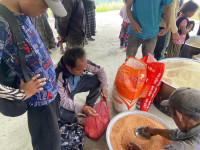
The impact of a flood doesn’t end when the waters recede. A second crisis invariably follows. In the flash-flood-hit areas of Rasuwa and Dhading districts, flood victims and displaced patients are grappling with shortages of essential medicines, unsafe water, poor sanitation and uncertain access to basic healthcare, as if escaping the deadly torrent of water wasn’t enough. Even Trishuli Hospital in Nuwakot is running out of medicines and fuel to run generators and ambulance services.
While it is understandable that the flood’s unfathomable force has tested the government’s strength by sweeping away roads, electricity and internet wires, bridges and other essential infrastructure needed to keep services running, survivors shouldn’t be left without medicine and well-being in camps, regardless of the circumstances. Any relief programme must go beyond rescuing stranded people. The government and humanitarian agencies have already sent medical supplies and health professionals to affected areas, but they must ensure that the supply is enough and reaches the people who need it most.
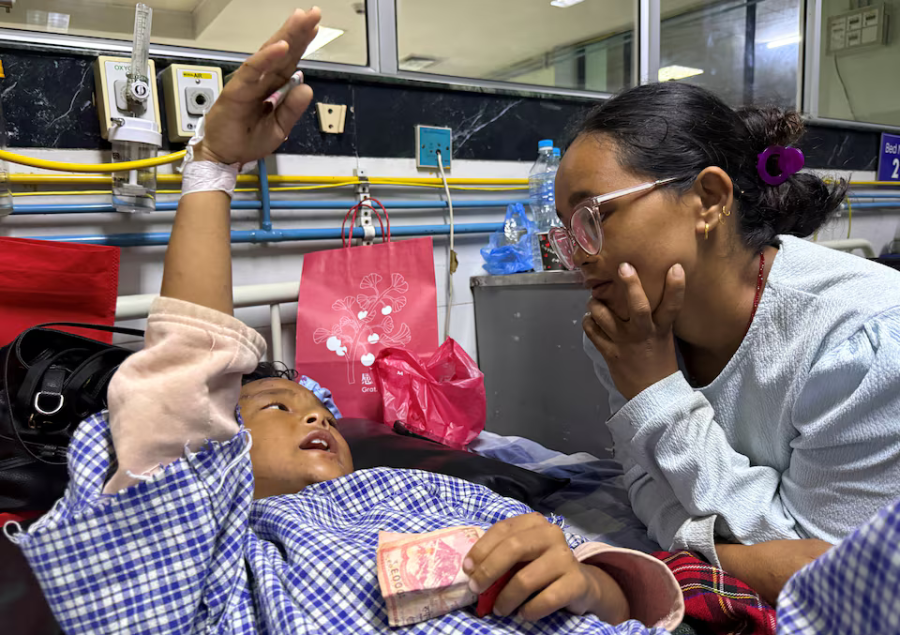
Among those at the greatest risk are people with chronic illnesses such as diabetes, high blood pressure, asthma and heart disease—conditions that require regular medication. But survivors lost their medicines in the flood and are now solely dependent on the government to obtain them. Pregnant women, new mothers, children and older people are even more vulnerable and may need emergency services at any moment. They also need enough nutrition. According to UNICEF, more than 17,000 children require ‘urgent humanitarian assistance’ following the disaster.
More concerning is the lack of clean water, which could trigger waterborne and communicable diseases. As the flood destroyed water canals, potable water is scarce, which is forcing displaced people to compromise on the quality of drinking water. On top of this, crowded shelters, inadequate toilets and poor hygiene create a favourable environment for the spread of diseases. In the wake of the disaster, preventing disease outbreaks is therefore especially important.
Local health workers can be equipped to provide immediate care when larger health facilities become inaccessible. Many injured patients have been sent to other districts for treatment, but essential medicines, drinking-water purification supplies, sanitation materials and basic medical equipment must be readily available in their local areas. Beyond immediate supplies, the government must make sure that vulnerable patients receive uninterrupted care. It must keep its promise to provide free treatment and, in the long run, develop health-resilient disaster systems.
Nepal’s past experiences, notably the 2023 Jajarkot earthquake, should serve as a wake-up call for authorities. Following the earthquake, people were forced to stay under makeshift tarpaulin sheets and didn’t have enough clothes to cover themselves. As a result, more than 30 people eventually succumbed as the cold exacerbated their underlying conditions. We cannot afford a medical emergency in flood-affected areas.
The flash flood that hit the Bhotekoshi River on August 26 has claimed the lives of more than 700 people and left many marooned. Nepal must not allow a second crisis to claim those who made it through. Access to basic and emergency health services, clean drinking water and sanitation is a fundamental right of citizens. These rights become non-negotiable in disasters.




 23.14°C Kathmandu