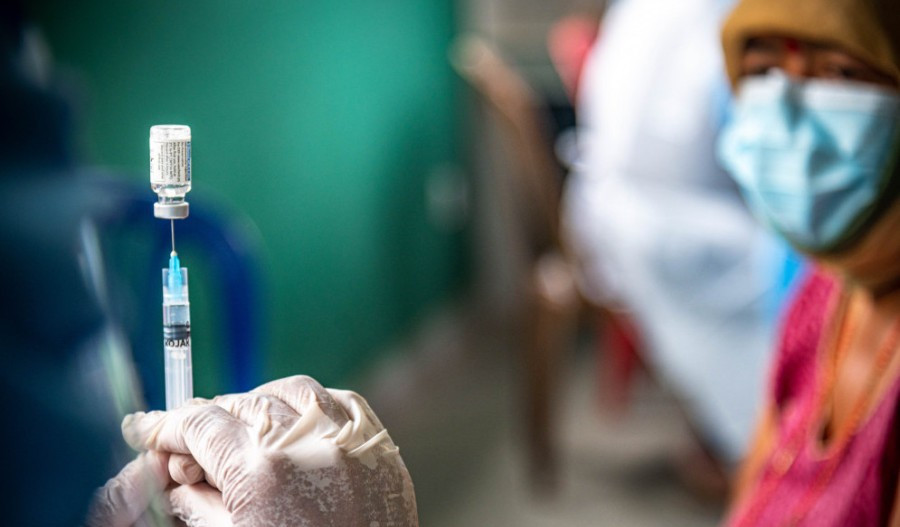
A state’s primary duty is to preserve its citizens’ lives and well-being. Yet, in Nepal, a persistent shortage of life-saving medical supplies and essential vaccines across public health facilities routinely exposes a systemic crisis that goes beyond simple administrative delay. In state-run oncology departments, vital platinum-based chemotherapy drugs—specifically carboplatin, cisplatin and oxaliplatin—have been unavailable for months because rigid government-imposed price caps prevent importers from recovering rising raw material costs. Consequently, families are forced to navigate unregulated pharmacies, paying up to Rs15,000 for a single vial of carboplatin that normally costs approximately Rs1,300. This market dysfunction is mirrored in the critical scarcity of basic immunisations and acute therapies. Anti-snake venom has run out in provincial storehouses during the peak snakebite season, directly contributing to preventable deaths. Meanwhile, shortages of basic anti-rabies vaccines and maternal iron-folic acid supplements continue to place vulnerable rural communities and pregnant women at severe risk.
The crisis is further exacerbated by structural failures in preventive healthcare frameworks. Adult populations remain entirely excluded from the routine Japanese Encephalitis (JE) immunisation programme, despite accounting for the vast majority of recent infections and fatalities in highly-affected districts. At the same time, the sudden freeze of bilateral international funding has dismantled community-based HIV prevention services, leaving high-risk groups completely stripped of essential pre-exposure prophylaxis. Even where treatment is theoretically free, as with the national tuberculosis control initiative, poor patient outcomes persist. Over half of affected households still face catastrophic costs, facing financial ruin through non-exempt clinical tests and transport expenses. Rather than addressing these structural bottlenecks, the state apparatus has frequently sought to downplay the severity of these shortages, preferring to project a misleading image of stability while shifting procurement burdens onto under-funded local governments.
To resolve these chronic failures, state authorities must transition from reactive crisis management to proactive systemic reform. First, the Ministry of Health and Food Safety, in coordination with the Department of Drug Administration, needs to establish a dynamic, automated pricing mechanism for imported pharmaceuticals. The current practice of waiting for Cabinet approvals to amend price caps in the official gazette is dangerously slow and directly causes market shortages. Instead, importers could be permitted to adjust prices within regulated corridors linked to international raw material costs, thereby ensuring that state-run pharmacies remain stocked with certified, high-quality medicines. Second, the federal government cannot continue to treat basic healthcare as an administrative afterthought by shifting procurement duties to local municipalities. Centralised bulk procurement must be legally mandated and protected by a dedicated fund to buffer against currency fluctuations and supply chain shocks.
Furthermore, the onus is on state authorities to urgently expand the scope of public immunisation and subsidised care. Excluding adults from the JE vaccination on the grounds of high costs is an illogical excuse given that they account for a majority of infections. The long-term economic drain of managing permanent impact far outweighs the initial procurement cost of a single preventive shot. A national adult vaccination campaign, starting in high-risk zones where case fatality rates remain exceptionally high, must be prioritised immediately.
At the same time, the state must expand its definition of free healthcare. For diseases like tuberculosis, providing free pills is meaningless if patients are financially ruined by transport, lodging and diagnostic imaging. The government must integrate comprehensive clinical testing and travel subsidies into national disease programmes. Finally, the vulnerability revealed by the foreign funding freeze demands a permanent national contingency fund for medical care when international partners abruptly withdraw. The state must realise that access to medicine and care is its fundamental constitutional duty.




 15.26°C Kathmandu