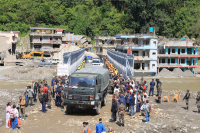
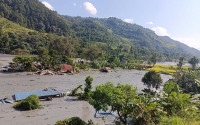
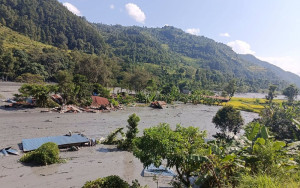
Thousands of people living along the Bhotekoshi corridor have been directly affected by the disaster. Some have lost their parents, others their children, and many others their relatives. Hundreds have been injured. Those who have not lost family members have, in many cases, lost their entire properties. Those who were once prosperous have become squatters in a matter of seconds. All these factors have left them deeply traumatised.
The psychological impact on children is even higher. For instance, several students from Tribhuvan Trishuli School in Bidur were traumatised, with some even fainting after hearing information about the flood and before it actually struck the school. It is not difficult to imagine what they must have gone through after seeing their school being swept away, losing family members, watching their houses disappear and seeing relatives and people they knew being lost in the disaster.
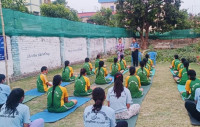
Such experiences cannot simply be overcome once the immediate danger is over. Children, who are still developing emotionally and psychologically, may struggle to understand what has happened and find it difficult to express their fear, grief and anxiety. The impact of such trauma can have lasting effects, particularly on their studies and other activities. They need special attention in counselling so that they can gradually return to normalcy. Failure to take care of their psychological well-being could affect their concentration, education and ability to cope with future challenges.
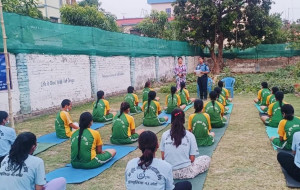
As the government is still focused on relief and rescue operations, it has not prioritised psychological counselling. This is understandable given the scale of the emergency and the immediate need to rescue and provide relief. But psychological support cannot be left out of the priority list indefinitely. If the government is not in a position to provide such services on its own, it should call on non-governmental organisations and other specialised agencies to chip in.
While some organisations have already started providing counselling, it is not enough. The scale of the disaster demands a broader and more coordinated response. A report by UNICEF shows that 17,000 children have been affected by the disaster in the last few weeks. The number of people from higher age groups affected by the disaster is even higher. Counselling should therefore reach communities, hospitals and temporary shelters, rather than being limited to a few places.
There are videos circulating on social media in which survivors are seen behaving abnormally. Such behaviour is understandable, considering that they have witnessed unimaginable loss before their eyes.
The physical impacts of the disaster have been seen mainly in three districts, but people in dozens of other districts have also been affected. Many people from outside these districts were working there in government services, on hydropower projects, in security agencies, in businesses or in the import and export sectors. Their families, colleagues and communities have also been affected by the losses. The people affected in Bhotekoshi were also from other districts who were living or working in the affected areas. Therefore, psychological counselling should be made available through district hospitals serving these areas, with particular attention given to the hardest-hit districts.
The government should come up with a strategic plan to ensure that everyone needing counselling has access to it. Relief and rescue operations are essential, but the response should not end once the immediate crisis is over. The issue of mental wellbeing needs to be catered to with equal sensitivity as physical wellbeing. Those who have survived the disaster can not be left alone to deal with its psychological consequences.




 22.44°C Kathmandu