20.28°C Kathmandu
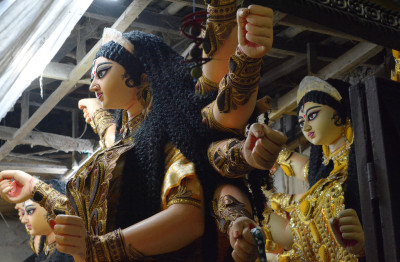
Pāyāḥ was once a tribute to Ajimā. What does the ritual mean today?
The procession, rooted in Newa beliefs and traditions, has evolved in ways that threaten to overshadow its original significance.
The procession, rooted in Newa beliefs and traditions, has evolved in ways that threaten to overshadow its original significance.
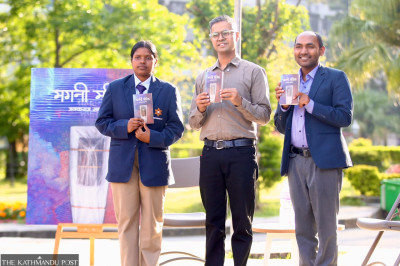
‘Magani Marik’ follows a character from the Dom community, among the most marginalised in Nepal’s caste hierarchy, and explores the discrimination and hardship shaping everyday life.
Drawing on more than three decades of research, anthropologist Shneiderman reflects on Nepal’s political transformation, migration and the importance of listening to local communities.
At a sold-out Kirtipur concert, frontman Amrit Gurung revisited the band’s roots and called for support for disaster-hit communities.
One might get a sense that the movie doesn’t have a full handle on the mayhem Facebook has caused. Or Aaron Sorkin didn’t think it would make for compelling cinema.
In a society where we often say we are fine even when we are struggling, making space for honest conversations can be a meaningful first step towards better mental health.
From smoky chicken satay to tender rendang and a bowl of comforting laksa, Sing-Ma serves up familiar flavours with a distinctly Malaysian twist.
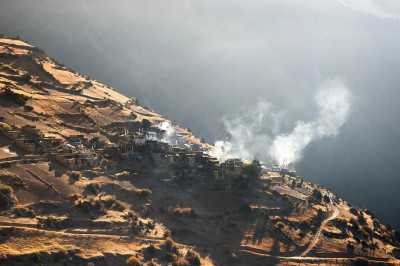
After thirty years, more than half the village had fled. It was now a graveyard of empty mud houses.
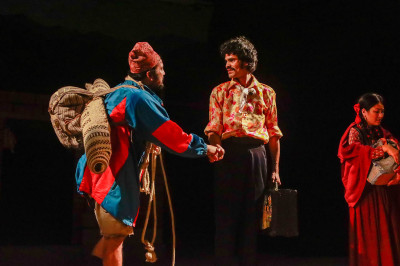
Blending local folklore, humour and music, the play tells a story of absence and longing while questioning how society judges men and women differently.
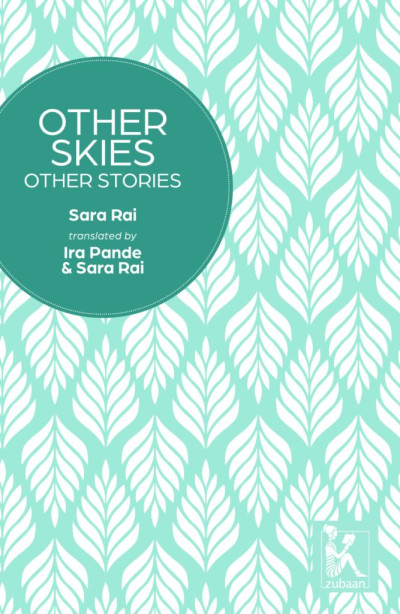
Rai holds each life for exactly as long as looking allows, then gives it back to its own passing.
From music and markets to food and sports, here’s what’s happening around the Valley this week.
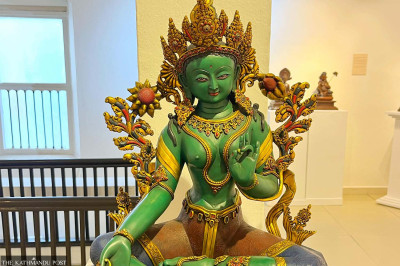
Curated by Pradip Shakya, the exhibition places Hindu and Buddhist imagery side by side.
In its streets, riverbanks and neighbourhoods, old traditions meet the restless energy of everyday life.
The Nepali folk-rock band drew fans from across the UAE, blending popular hits with messages of national identity and solidarity with migrant workers.
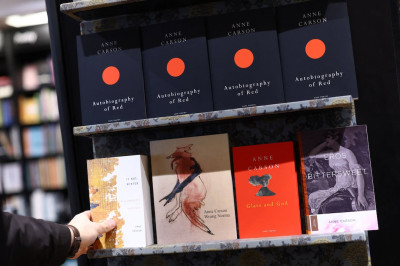
The 76-year-old poet, known for her genre-defying work and translations of classical Greek literature, was recognised for creating new forms of contemporary literature.
Nepal outranks India and Pakistan on cross-gender Facebook friendships, but Madhesh trails far behind Karnali, and the gap mirrors inequality offline.
The festival will screen eight features and 18 shorts from 21 countries, including five Nepali productions and co-productions.
Starring in his first non-action film in 14 years, Tom Cruise is wasted in this self-satisfied satire.
These five areas offer students different ways to balance affordable rent, convenient commutes and everyday amenities.
Reshma knows the pain will return. What frightens her more is knowing that no one seems able to help.