15.28°C Kathmandu
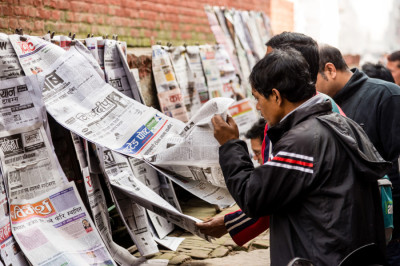
Proposed media law sets penalties from apologies to press pass suspension
Simple journalistic errors would draw corrections or apologies, but severe violations could lead to suspension of press passes and state benefits.
Simple journalistic errors would draw corrections or apologies, but severe violations could lead to suspension of press passes and state benefits.
Coverage of the prime minister’s UN address has centred on Nepal’s floods, climate justice and a proposed Himalayan climate resilience mechanism.
Every AI-generated image requires computing power, electricity and cooling, raising questions about the environmental price of a seemingly harmless online fad.
More than 3,600 people are staying in 37 holding centres across Rasuwa, Nuwakot and Dhading districts. No major outbreak has been reported, but cases of colds, coughs and viral fever are common.
Residents say some crews have turned their own difficulties at disaster sites into television drama and given less attention to those flood victims.
A dispatch from ten days in China: the country is determined to tell its own development story on its own terms — but the road for that story to reach the rest of the world is still narrow.
Sudip Kumar Neupane watched a raging Trishuli swallow his younger brother and a close colleague, then came out of grief after two days.
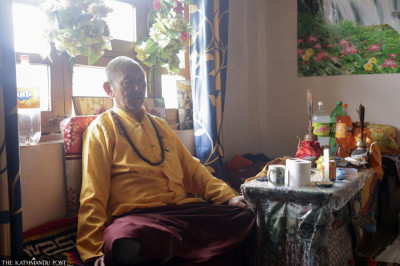
In a Rasuwa village, grieving families have begun performing Buddhist funeral rites without waiting for bodies, following the lead of chief priest Singi Lama, who lost his son and daughters-in-law in the disaster.
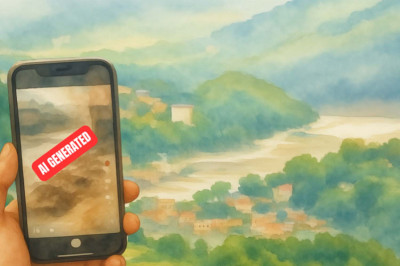
As rescuers widen reach to people caught in the disaster, social media platforms have been flooded with AI-generated videos, recycled footage and graphic content.
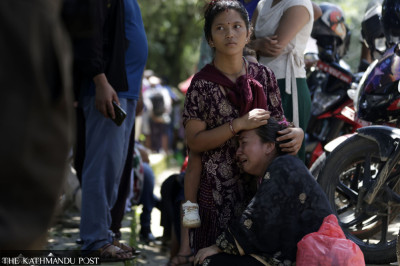
With hundreds still unaccounted for after the floods, relatives wait anxiously for news as rescue teams race to reach those stranded and recover the missing.
Every ambulance brings a flicker of hope and fresh fear as relatives of those missing after the Bhotekoshi flood move from hospital to hospital, checking names, photographs and the faces of the injured.
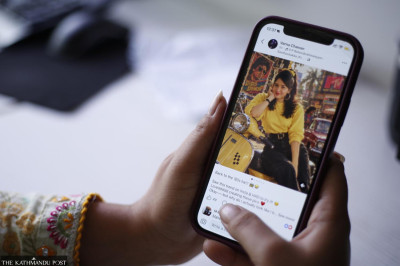
Government ministers, media organisations and social media users disclosed the identity of a three-year-old girl and her family despite laws barring the publication of details that could identify them.
Footage of a minor giving a police statement has spread across social media, prompting scrutiny over a potential breach of privacy and investigation protocols.
A shrinking media industry, low pay and insecure jobs are pushing students to other fields and overseas, say teachers and media professionals.
The state oil monopoly says requiring citizenship certificates or National IDs is an initial trial to prevent hoarding during shortages.