7.12°C Kathmandu
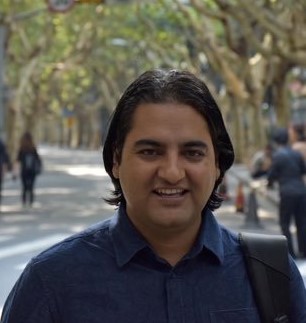
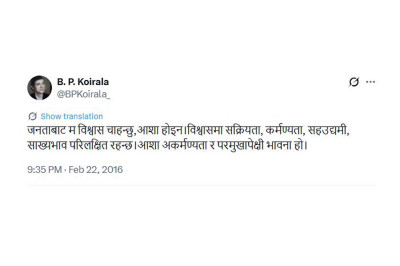
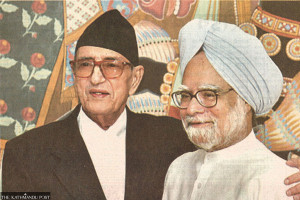
How’s BP Koirala tweeting? We asked the man behind it
A decade ago, a Twitter account began sharing the words of BP Koirala, bringing the thoughts of Nepal’s first democratically elected prime minister into today’s political conversations.
The arrest of a previously obscure man has exposed a web of connections involving the Prime Minister’s Office, senior security officials and Supreme Court judges, raising questions about institutional safeguards and judicial accountability.
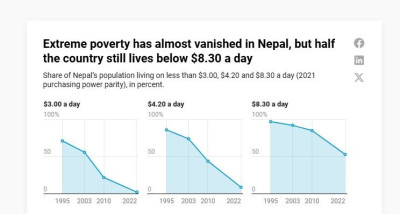
World Bank data show that just 2.4 percent of Nepalis lived below the extreme poverty line in 2022, while 52.7 percent remained below the $8.30 poverty line.
The reported meetings between Supreme Court justices, including Hari Phuyal, and fixer Inam Sapkota have raised serious questions about judicial integrity, professional conduct, and the independence of the courts, among others.
The Kathmandu District Court’s full verdict, issued recently, details how a network duped aspiring migrants with promises of US resettlement.
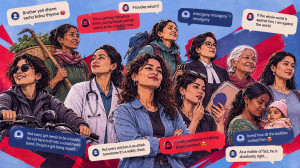
Nepal outranks India and Pakistan on cross-gender Facebook friendships, but Madhesh trails far behind Karnali, and the gap mirrors inequality offline.
Former chief justice Cholendra Shumsher Rana’s detention has brought longstanding concerns over judicial appointments, the Constitutional Bench and tensions within the judiciary to the surface.
The Supreme Court’s response to Cholendra Shumsher Rana’s detention has united justices against executive interference while laying bare tensions within the judiciary itself.
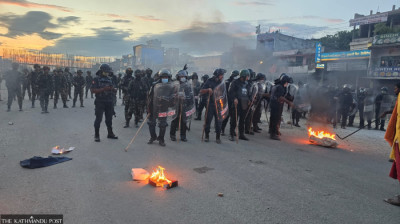
The Gen Z uprising brought down the government and left Nepal in a political vacuum. Here is how the five days that followed unfolded, as Army Headquarters emerged as the centre of efforts to restore order and form a new government.
Days after September 9, as the elected government collapsed, Nepal Army found itself at the heart of negotiations over a new government, the fate of Parliament and the country’s political transition.
Nepal has no death penalty. Instead, it has life imprisonment until death — a sentence with no release date.An investigation by Kantipur shows who receives this sentence, how it is applied, and what justice means for victims, prisoners, and the state.
A decade into federalism, chief district officers continue to lead crisis response under the old administrative structure; provinces’ responsibility for peace and security remains largely theoretical.
A journey to report on deadly communal violence became an account of fear, uncertainty and the difficult decisions journalists face when every choice carries consequences.
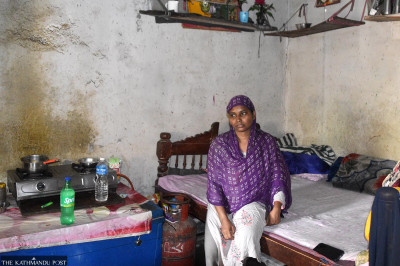
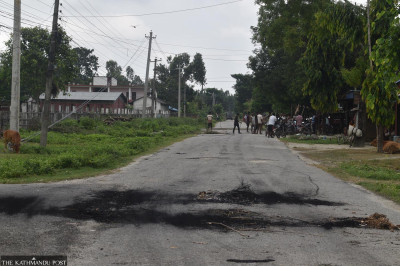
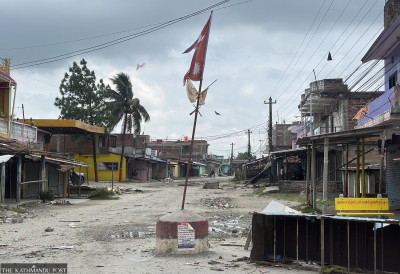
A month-old incident that engulfed a village that had never seen Hindu-Muslim conflict before shows what happens when religious tensions in plain sight and official warnings go unheeded.
From a force for democratic change to a diminished role, civil society is struggling to find its place in a transformed political landscape.